
Blood Moon Eclipse Captivates Global Audience
Recent lunar eclipse turns moon red-orange, mesmerizing viewers worldwide
Introduction To The Blood Moon Eclipse
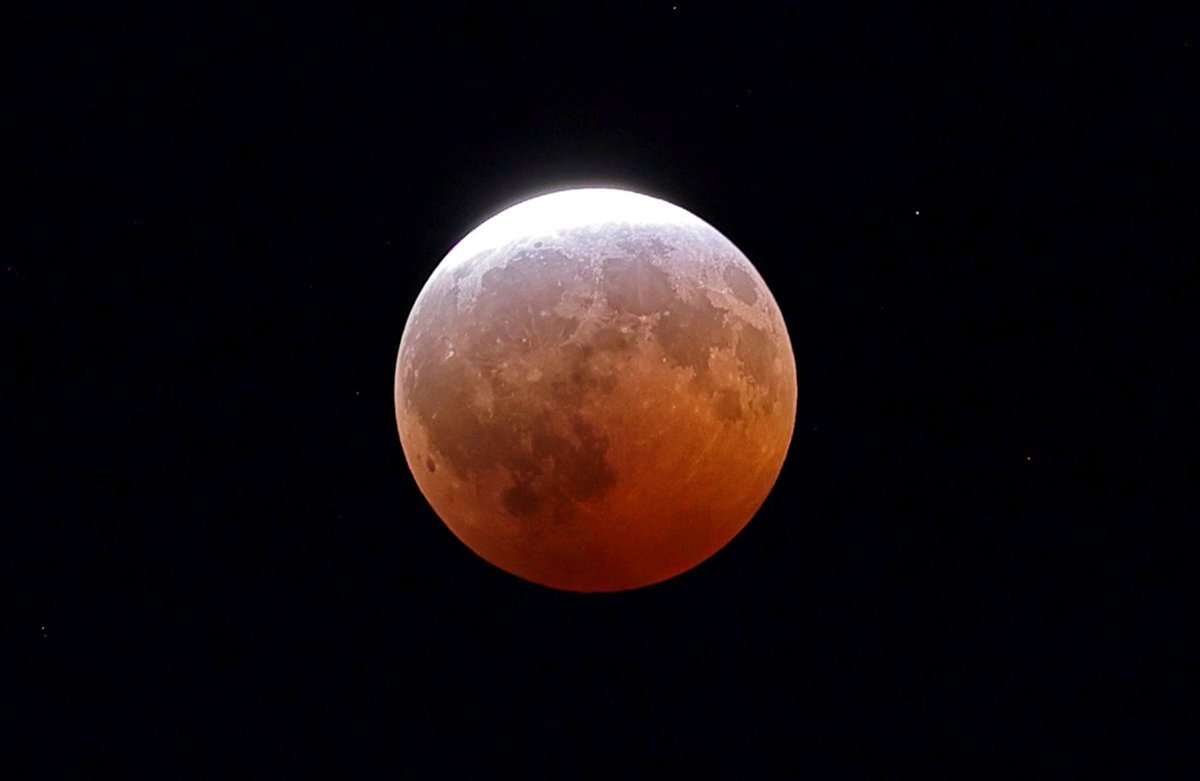
The second and final lunar eclipse of the year took place recently, mesmerizing viewers in North America, Europe, and Africa with a stunning red-orange "blood moon." This near-total lunar eclipse occurred when Earth passed between the sun and moon, partially obstructing sunlight on the latter. As a result, more than 96 percent of the moon was covered by Earth's dark shadow, or umbra, making it a "deep partial eclipse." The reddish tone of the moon during the eclipse is due to the way Earth's atmosphere filters light, allowing reddish hues to slip through while other colors are refracted away, similar to a sunset.
Understanding Lunar Eclipses
A lunar eclipse happens when Earth comes between the sun and the moon, blocking the sunlight that normally reflects off the moon's surface. The moon can take on a range of colors during a lunar eclipse, from a bright copper to a deep reddish-brown, depending on the amount of dust and water vapor in Earth's atmosphere. In this case, the moon turned a striking red-orange color as it fell under Earth's shadow. The eclipse began around 9:23 P.M. EDT on Thursday and lasted until about 3:02 A.M. EDT on Friday, with the height of the eclipse occurring at 12:13 A.M. EDT when the moon was 96.3 percent covered in shadow.
Global Observations Of The Blood Moon
People from around the world captured stunning images of the blood moon eclipse. In Madrid, the moon was seen in its partial lunar eclipse phase, while in Italy, the partial lunar eclipse was observed setting over the fortress Rocca Calascio. In Istanbul, the partial lunar eclipse was seen alongside the Nuruosmaniye Mosque, and in Saint Louis, Missouri, the eclipse was observed over the city. The blood moon was also visible over the Washington Monument in Washington, D.C. 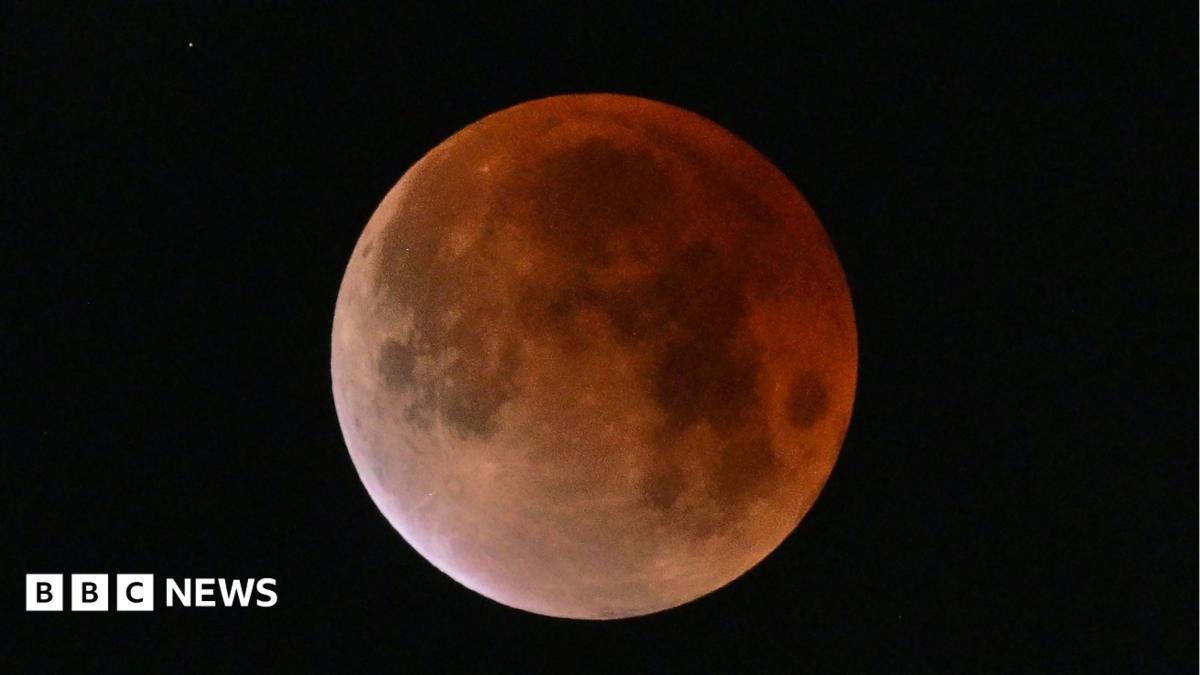
Upcoming Eclipses
While the next total lunar eclipse won't occur until December 31, 2028, there are several other eclipses to look forward to in the coming years. In 2027, there will be three subtle, or penumbral, lunar eclipses, as well as two solar eclipses. On February 6, 2027, a "ring of fire" annular eclipse will take place, and on August 2, 2027, a total solar eclipse will occur. These events provide opportunities for scientists and enthusiasts to study the sun, moon, and Earth's atmosphere, and to appreciate the beauty of celestial alignments.
Conclusion And Future Outlook
The recent blood moon eclipse was a spectacular event that captivated audiences worldwide. By understanding the science behind lunar eclipses, we can appreciate the beauty and complexity of our solar system. As we look to the future, there are many more eclipses to anticipate, each offering a unique chance to observe and learn about the celestial bodies that surround us. Whether you're a scientist, an enthusiast, or simply someone who appreciates the beauty of the night sky, eclipses like the blood moon remind us of the awe-inspiring wonders that await us in the universe.
Sources
This is an original synthesis by Qivorane based on reporting from the outlets below.