

NASA Captures Solar Eclipse
NASA shares views of August solar eclipse from ground, air, space
Introduction To Solar Eclipses
Solar eclipses are rare and awe-inspiring events in which the Moon passes directly between the Earth and the Sun, blocking the Sun's light and revealing the Sun's outer atmosphere, known as the corona. On August 12, 2026, a total solar eclipse was visible from certain parts of the Earth, and NASA captured stunning views of the event from ground, air, and space.Capturing The Eclipse From Ground And Air
NASA photographers captured the total solar eclipse from San Millán de los Caballeros, Spain, and the partial eclipse from northern Maine. The images show the solar corona and prominences, which are plumes of electrically charged gas suspended above the Sun by strong magnetic forces.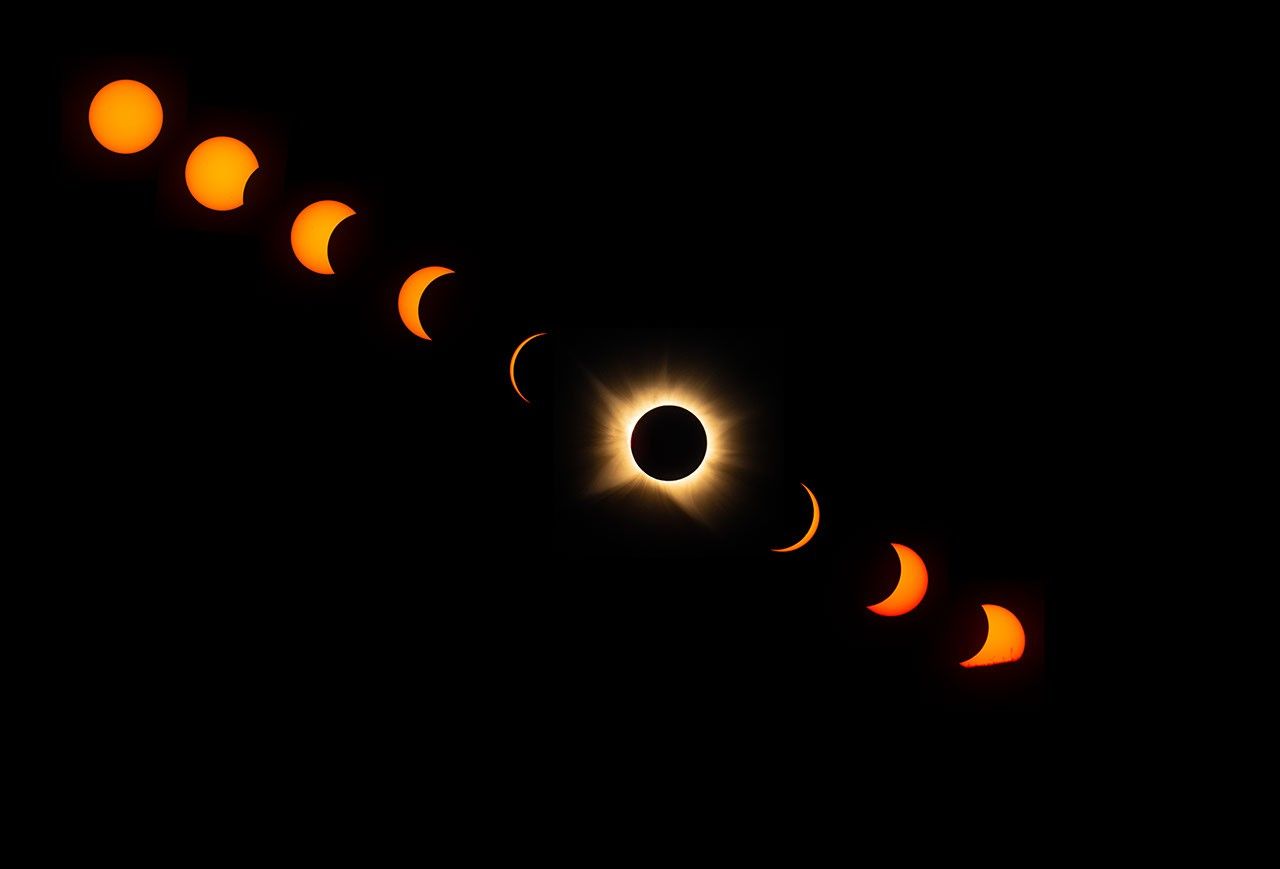 In addition to the ground-based observations, NASA pilots flew a WB-57F research jet at an altitude of 50,000 feet, passing through the eclipse's shadow to lengthen their time in the eclipse. The jet carried a suite of cameras that captured high-resolution images of the corona and prominences in several different wavelengths of light.
Observing The Eclipse From Space
NASA astronaut Jessica Meir captured a photo of the partial solar eclipse from the International Space Station on August 12, 2026, as the orbital outpost soared 262 miles above southern Quebec, Canada. From the station, the Moon covered about 18% of the Sun at the peak of the eclipse.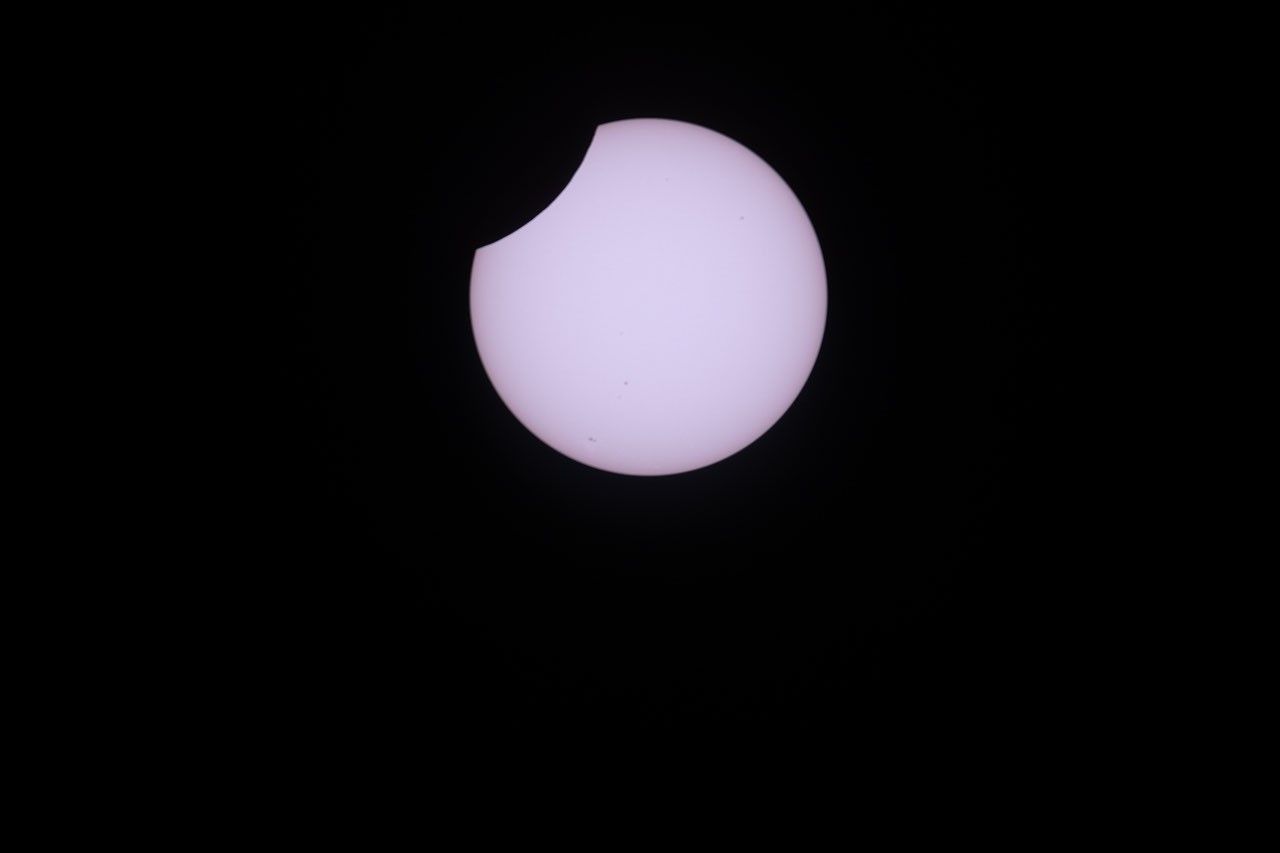 Meanwhile, another NASA photographer captured the International Space Station, with its crew of seven aboard, speeding past the partially eclipsed Sun in northern Maine.
Studying The Eclipse's Effects On The Atmosphere
In both Iceland and Spain, teams of students participating in the NASA-funded Nationwide Eclipse Ballooning Project launched scientific balloons that carried instruments to capture images of the eclipse's shadow and study the eclipse's effects on our atmosphere. Even though clouds obscured the view of the eclipse from the ground in Iceland, the weather did not interfere with the balloon-borne instruments' ability to gather information about how the brief loss of light and heat affected the lower atmosphere.
Future Research And Analysis
A science team led by the Southwest Research Institute in Boulder, Colorado, will analyze the images captured by the WB-57F research jet to learn more about complex and dynamic features in the Sun's outer atmosphere. The data collected during the eclipse will help scientists better understand the Sun's corona and its effects on the Earth's atmosphere.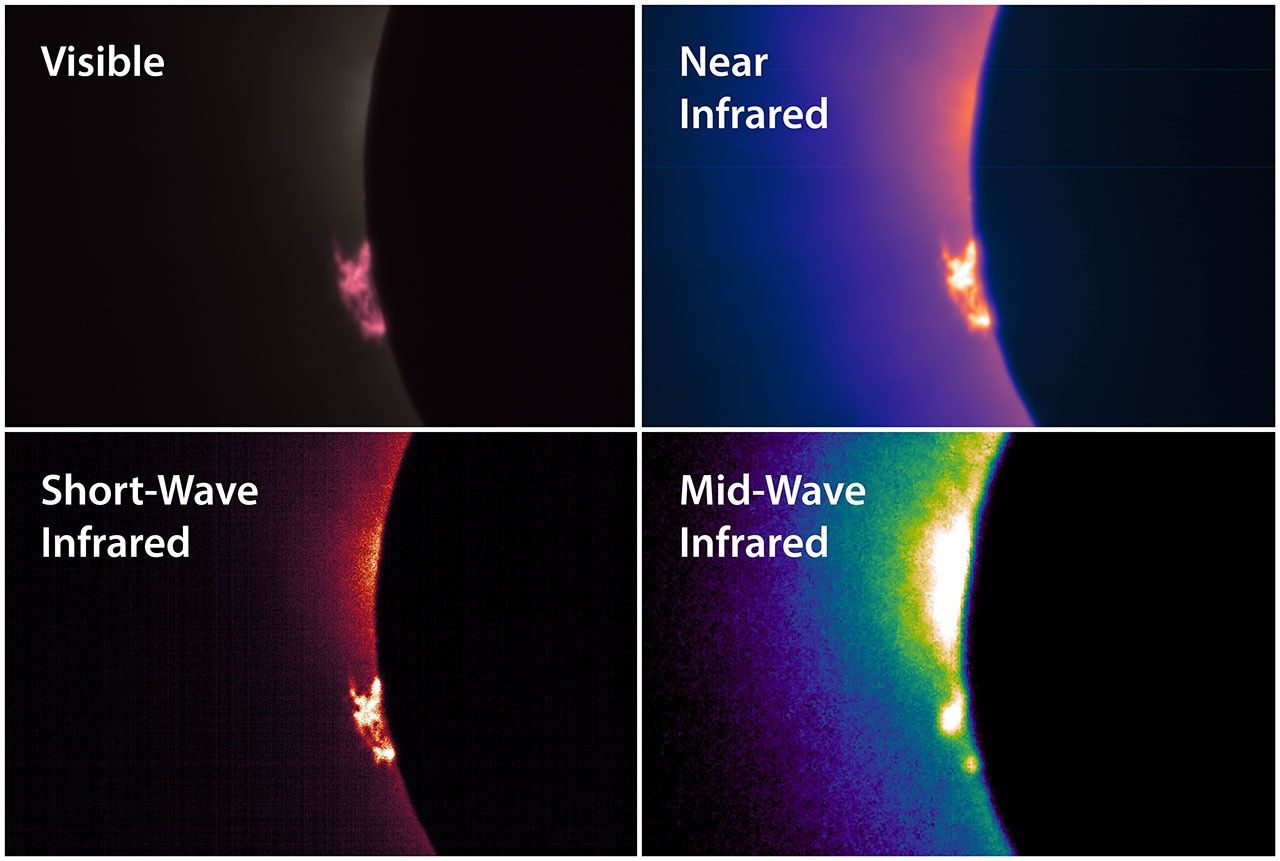
Conclusion And Future Outlook
The total solar eclipse on August 12, 2026, provided a unique opportunity for scientists to study the Sun's corona and its effects on the Earth's atmosphere. The stunning images captured by NASA from ground, air, and space will help scientists better understand the Sun's outer atmosphere and its complex and dynamic features. The data collected during the eclipse will also help scientists prepare for future eclipses and improve their understanding of the Sun's impact on the Earth's atmosphere.Sources
This is an original synthesis by Qivorane based on reporting from the outlets below.