
China's Chang'e 7 Mission Delayed
China's historic Chang'e 7 mission to the moon's south pole delayed due to bad weather
Introduction To China's Chang'e 7 Mission
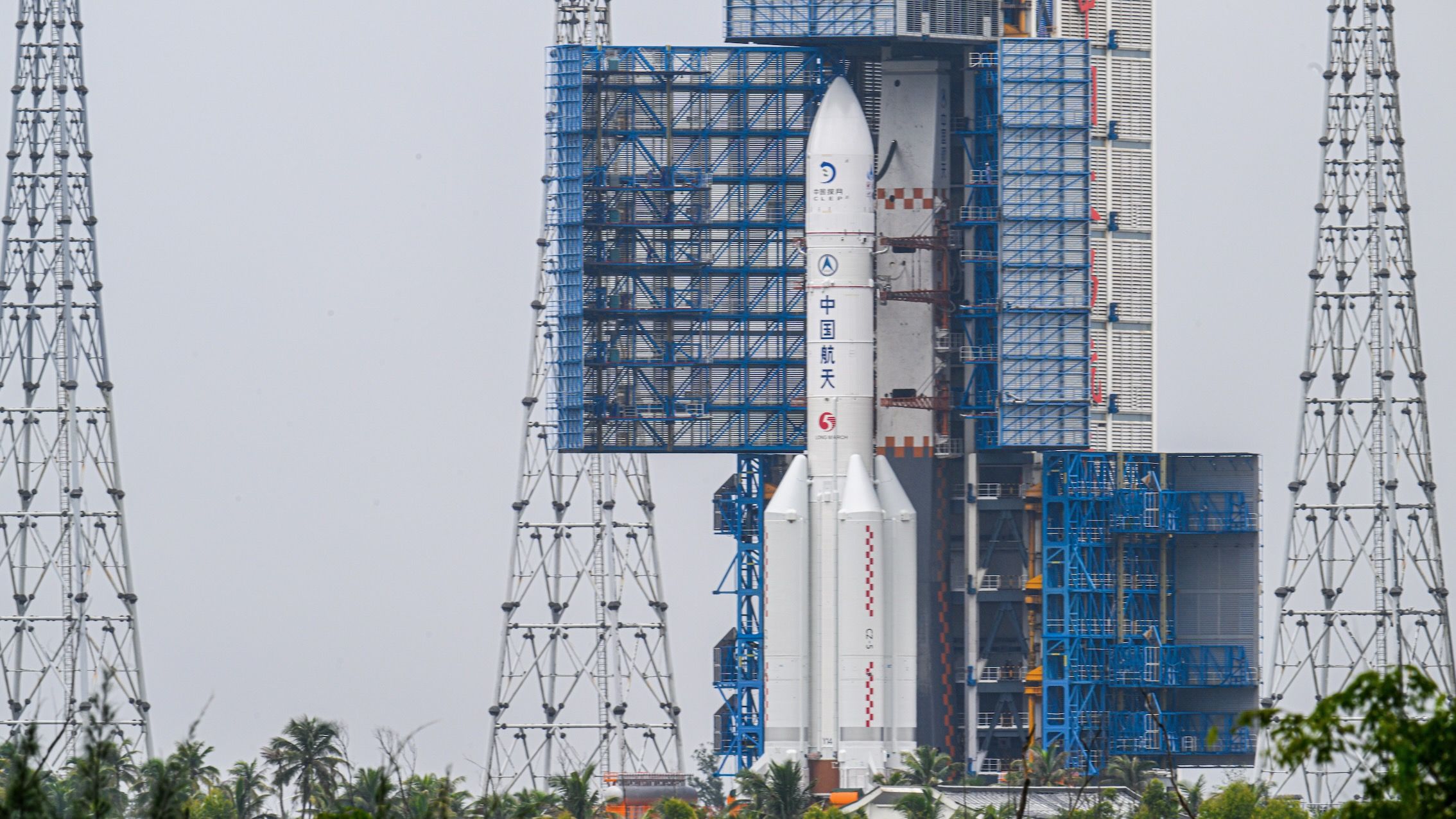
China's historic Chang'e 7 mission to the moon's south pole has been delayed due to bad weather. The mission, which was originally scheduled to launch on August 23, 2026, has been postponed indefinitely. The China Manned Space Agency announced that the launch cannot take place during the planned window this year, citing the growth of Tropical Depression Narra in the Gulf of Tonkin.
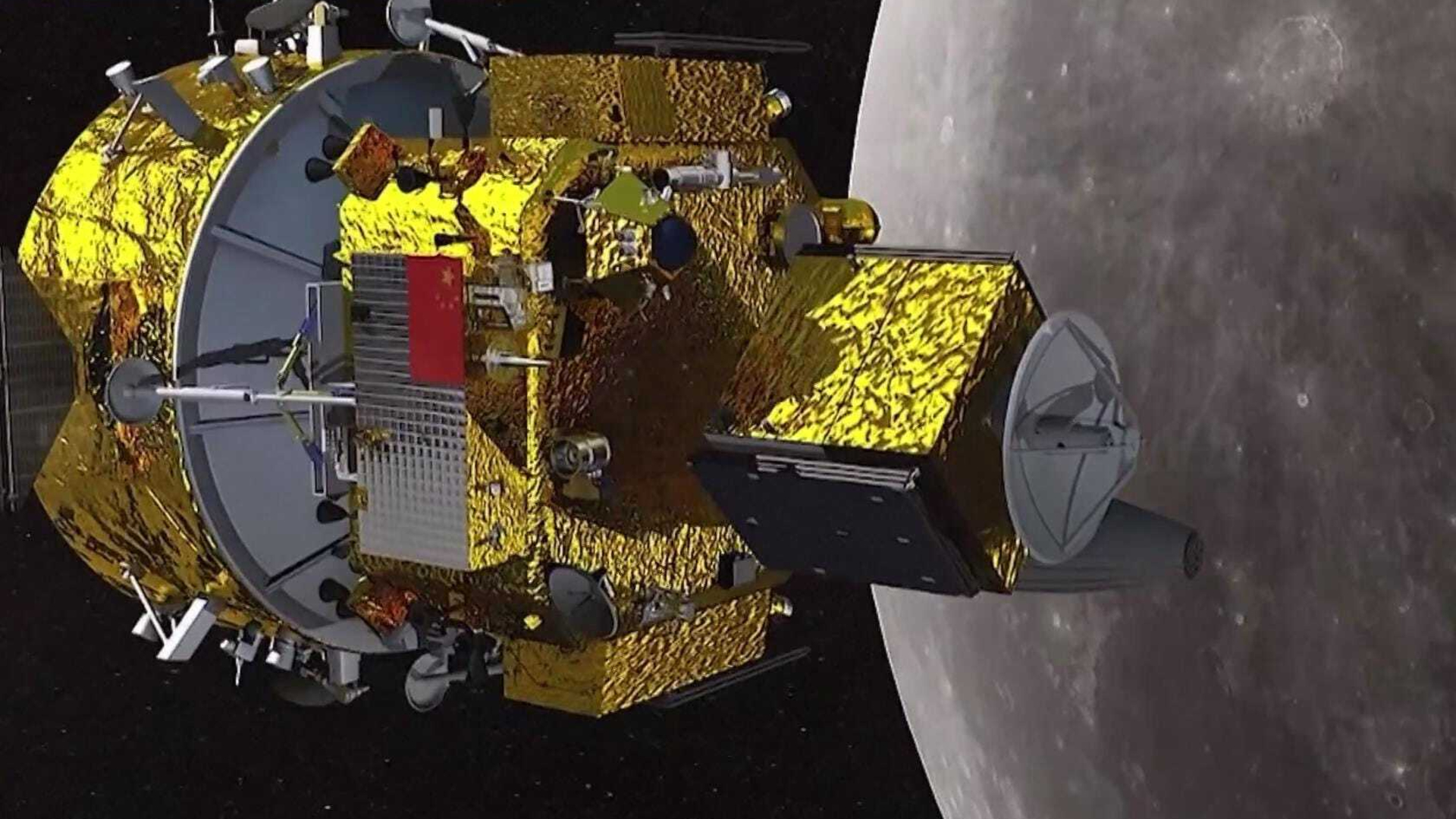
The Chang'e 7 mission is an ambitious and exciting project that aims to explore the moon's south pole, a region thought to harbor lots of water ice. The mission consists of an orbiter and a lander, which will touch down on the rim of Shackleton Crater, near the moon's south pole. The lander will deploy a rover and a hopping robot to hunt for water ice, a precious resource that could help support human settlements in the area.
Background And Objectives
The Chang'e 7 mission is part of China's larger lunar exploration program, which aims to build a human settlement on the moon in the coming years. The mission's objectives include exploring the moon's south pole, searching for water ice, and testing technologies that will be used in future lunar missions. The mission will also provide valuable insights into the moon's geology, composition, and atmosphere.
The discovery of water ice on the moon is a significant finding, as it could be used as a resource for future human missions. Water ice can be used to produce oxygen, hydrogen, and other essential resources, making it a crucial component of any lunar settlement. The Chang'e 7 mission will help scientists better understand the distribution and abundance of water ice on the moon, which will inform future mission planning and resource utilization strategies.
Launch Delays And Challenges
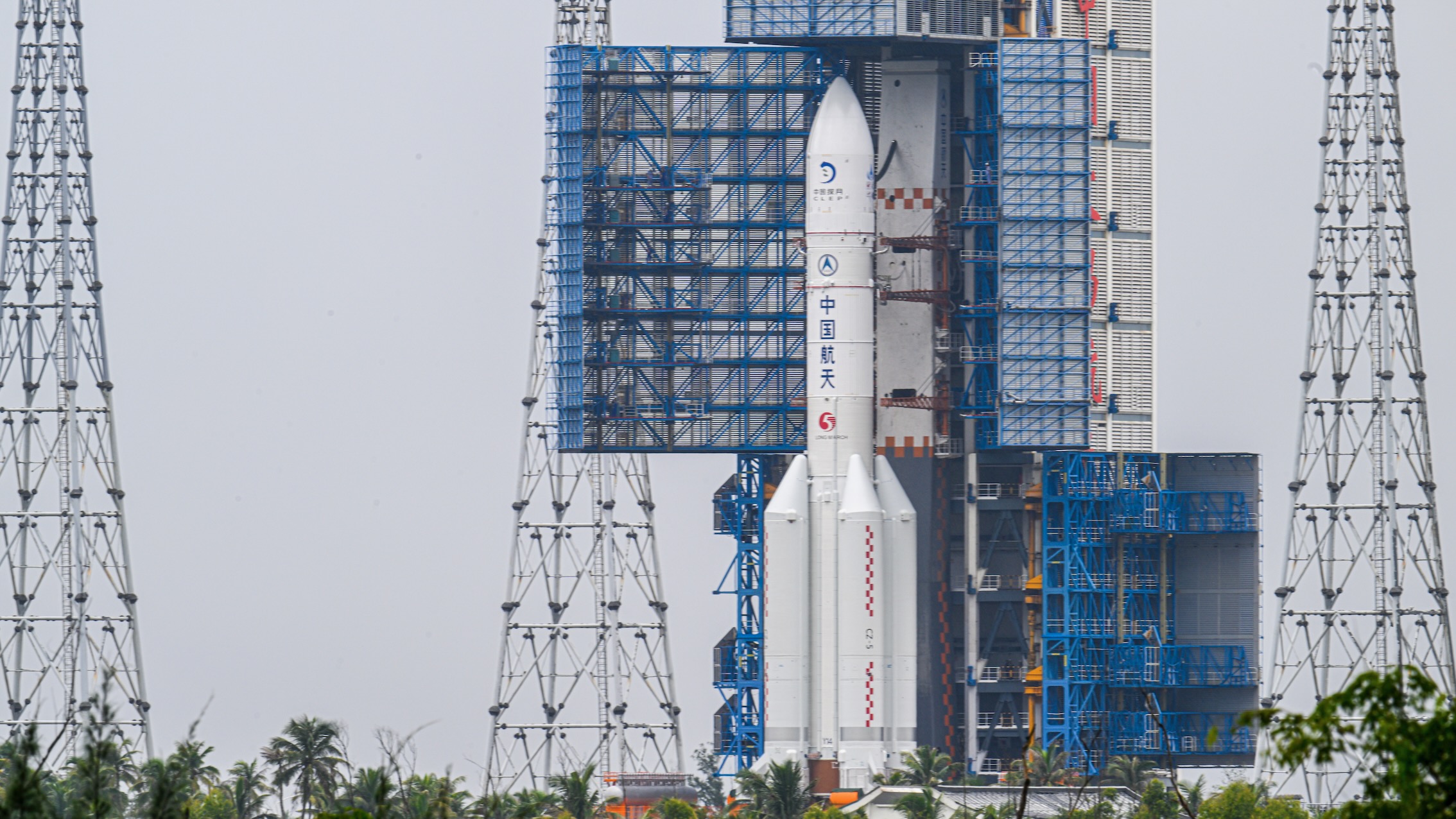
The launch of the Chang'e 7 mission has been delayed due to bad weather, specifically the growth of Tropical Depression Narra in the Gulf of Tonkin. The China Manned Space Agency announced that the launch cannot take place during the planned window this year, citing the unfavorable weather conditions. The agency has not announced a new target date for the launch, and it is unclear when the mission will lift off.
The delay is not surprising, given the complexity and challenges of launching a spacecraft into orbit. The Chang'e 7 mission requires a specific lineup of the Earth and the moon, which means that the launch window is limited. The mission must also contend with the harsh environment of space, including extreme temperatures, radiation, and debris.
Implications And Future Outlook
The Chang'e 7 mission has significant implications for lunar exploration and the future of space travel. The mission will provide valuable insights into the moon's geology, composition, and atmosphere, which will inform future mission planning and resource utilization strategies. The discovery of water ice on the moon could also pave the way for future human settlements, which could be supported by in-situ resource utilization.
The United States is also planning to return humans to the moon in the coming years, through NASA's Artemis program. The program aims to establish a sustainable presence on the moon, with the goal of sending humans to Mars and beyond. The Chang'e 7 mission is part of a larger global effort to explore and utilize the resources of the moon, which will likely involve international cooperation and collaboration.
Conclusion And Next Steps
In conclusion, the Chang'e 7 mission is an ambitious and exciting project that aims to explore the moon's south pole and search for water ice. The mission has been delayed due to bad weather, but it is expected to launch in the near future. The implications of the mission are significant, with potential applications for future human settlements and resource utilization on the moon.
The next steps for the Chang'e 7 mission will depend on the outcome of the launch and the success of the mission's objectives. The China Manned Space Agency will likely provide updates on the mission's progress, including any new target dates for the launch. As the mission unfolds, scientists and engineers will be closely watching the results, which will inform future mission planning and resource utilization strategies.
Sources
This is an original synthesis by Qivorane based on reporting from the outlets below.