
Lunar Eclipse Proves Earth Is Sphere
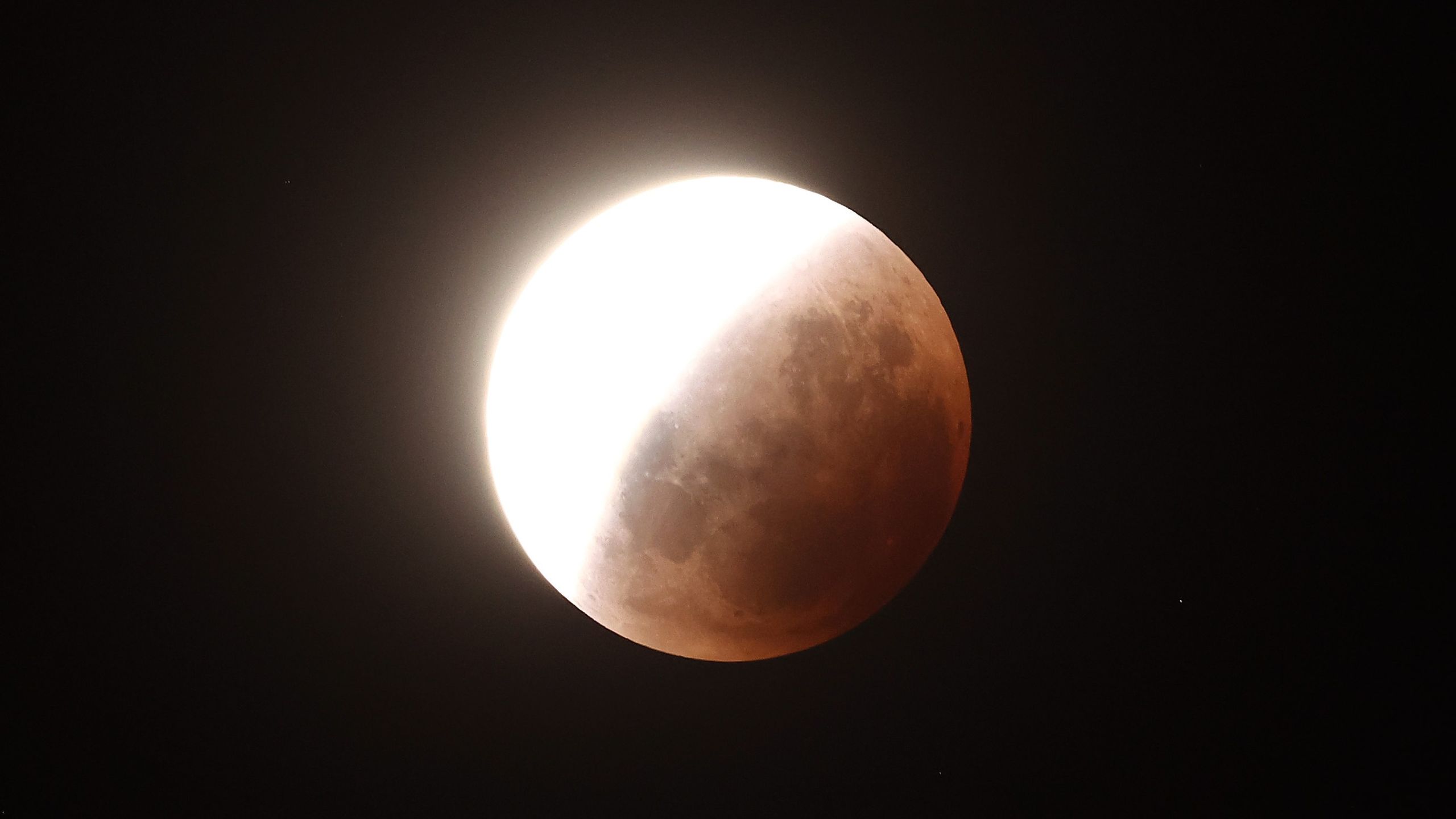
Deep partial lunar eclipse on Aug 27-28 proves Earth is sphere
Introduction To Lunar Eclipses
A deep partial lunar eclipse is set to occur on August 27-28, offering a unique opportunity to observe a giant curved shadow in space moving slowly across the moon. This phenomenon not only provides a breathtaking sight but also serves as a direct visual proof that Earth is a sphere. The eclipse will be visible across Europe and North America, with the moon passing through Earth's shadow for precisely 3 hours, 18 minutes, and 5 seconds.
Understanding Earth's Shadow
Earth's shadow is a vast cone of darkness that stretches away into space, created by the sun, Earth, and a full moon aligning closely enough for the moon to pass through it. The shadow has two distinct parts: the umbra, which is the dark inner section, and the penumbra, a paler outer shadow where Earth blocks only part of the sun. During a partial lunar eclipse, part of the moon enters the umbra, allowing us to see the curved edge of our planet's shadow projected onto the lunar surface. 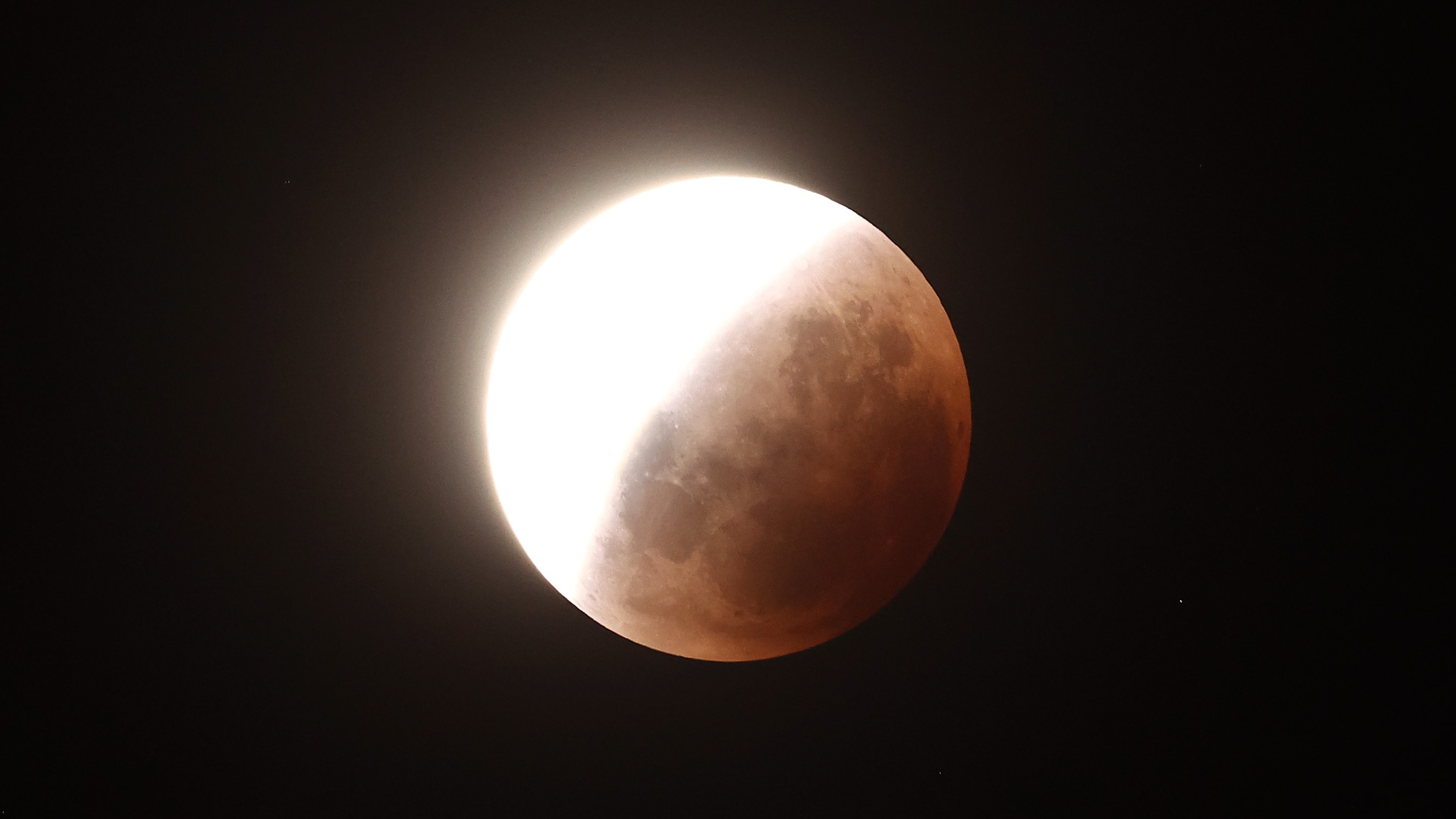
Phases Of A Lunar Eclipse
A lunar eclipse has three phases: penumbral, partial, and total. The penumbral phase occurs when the moon merely brushes the outer zone of Earth's shadow, often appearing only subtly dimmed. The partial phase happens when part of the moon enters the umbra, and the total phase occurs when the entire moon is immersed in the umbra. During the August 27-28 event, the moon will pass through a penumbral phase, followed by a partial phase, and then once again through a penumbral phase. The partial phase is the most interesting part of the eclipse, as it allows us to see the curved edge of Earth's shadow on the moon.
Observing The Eclipse
The deep partial lunar eclipse on August 27-28 will be visible in North and South America, with the best view in these regions. In North America, the maximum eclipse will occur late on August 27 in the west and around or after midnight on August 28 farther east. Europe will see the eclipse before dawn on August 28, with the moon low and setting during the later stages in many places. A clear western horizon will be essential for observing the eclipse in Europe. To catch the eclipse, it's crucial to know the schedule, which can be found by punching in your location on Time Date. The partial phase is the one to watch, and for example, in New York, it will begin at 10:33 p.m. EDT on August 27 and peak at 12:22 a.m. EDT on August 28. 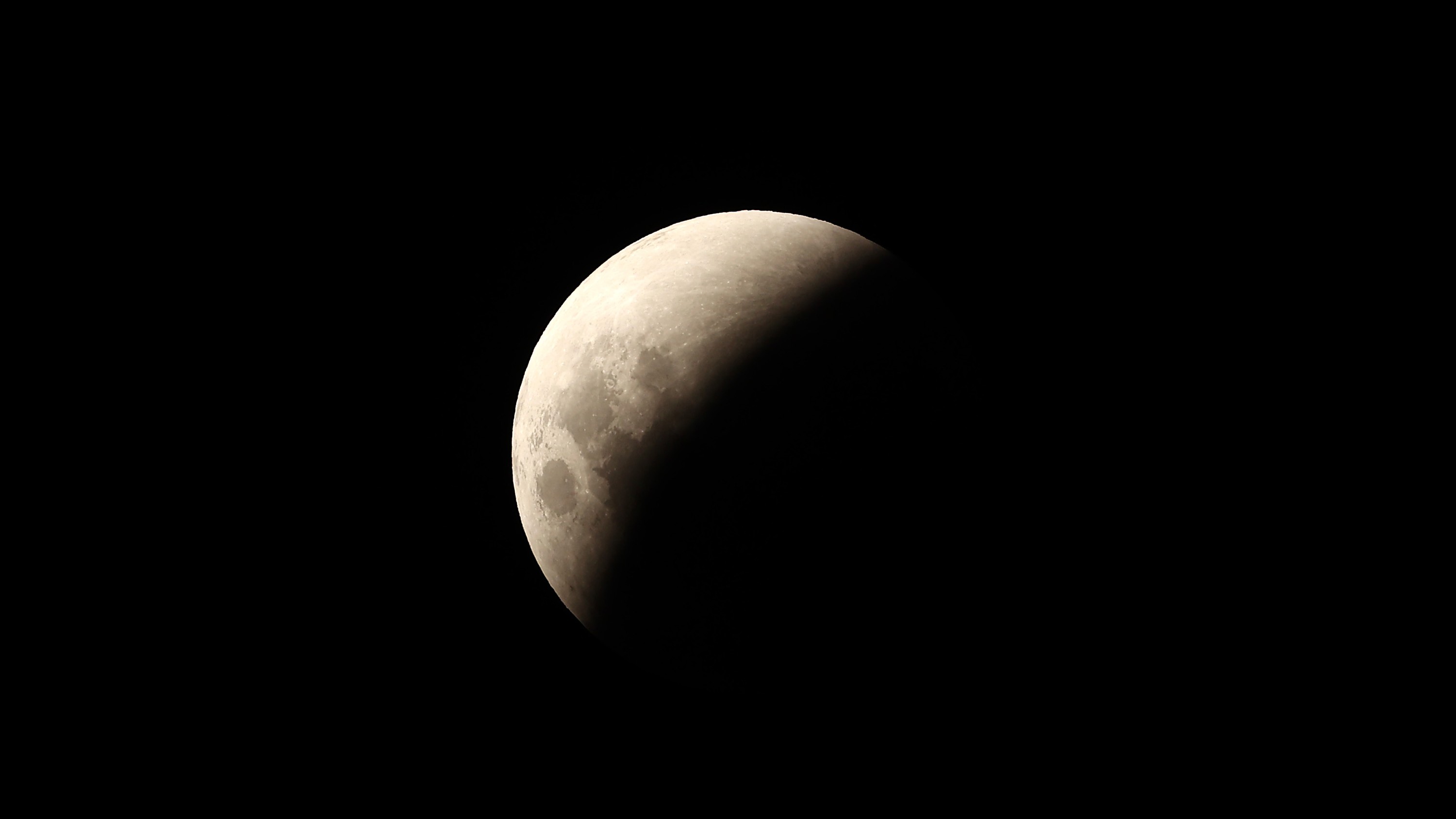
Conclusion And Implications
The upcoming deep partial lunar eclipse offers a unique opportunity to observe a giant curved shadow in space moving slowly across the moon, providing a direct visual proof that Earth is a sphere. This phenomenon is not only aesthetically pleasing but also has significant implications for our understanding of the Earth and the universe. By observing the eclipse, we can gain a deeper appreciation for the beauty and complexity of the celestial world. 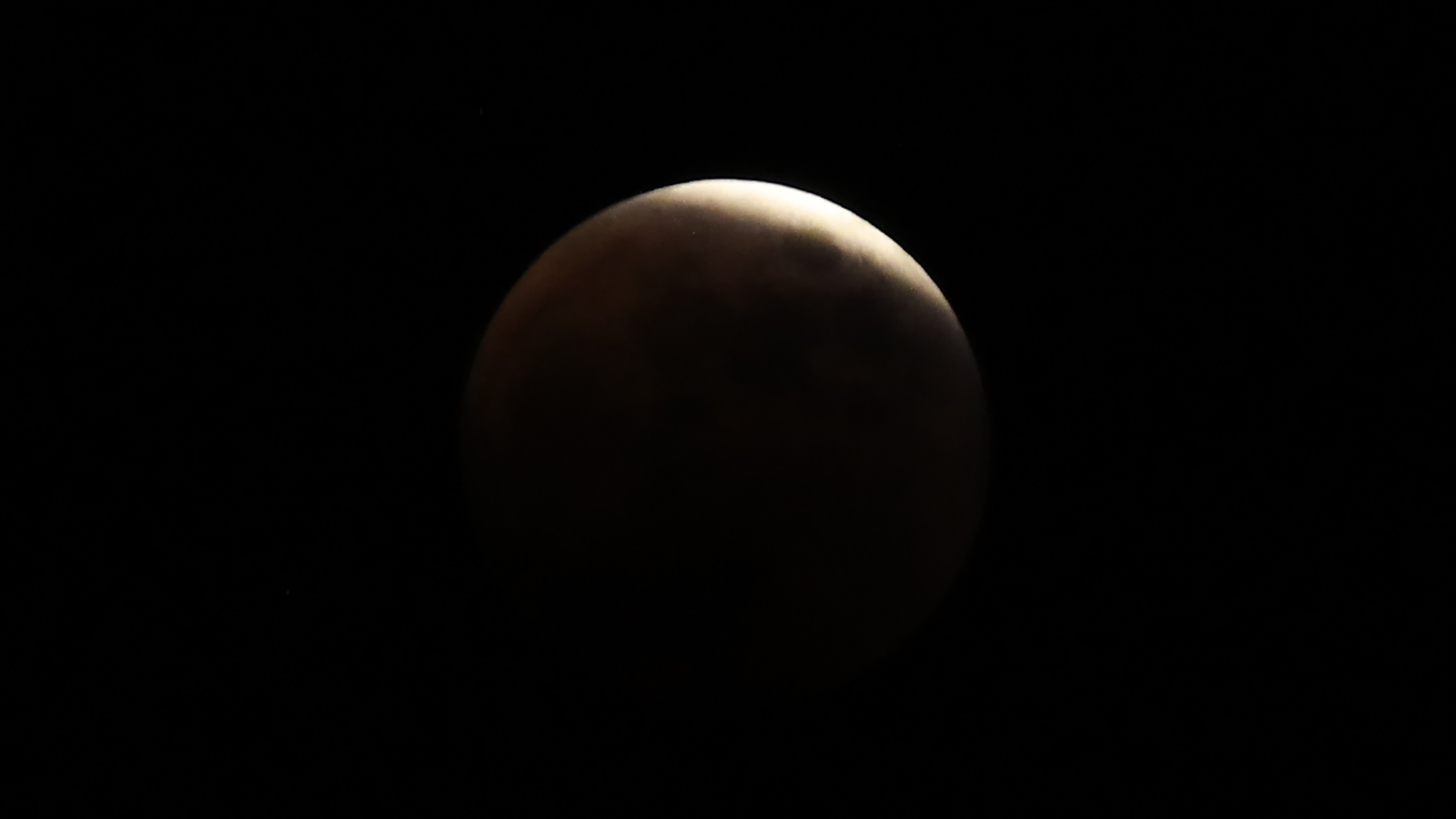
Sources
This is an original synthesis by Qivorane based on reporting from the outlets below.