
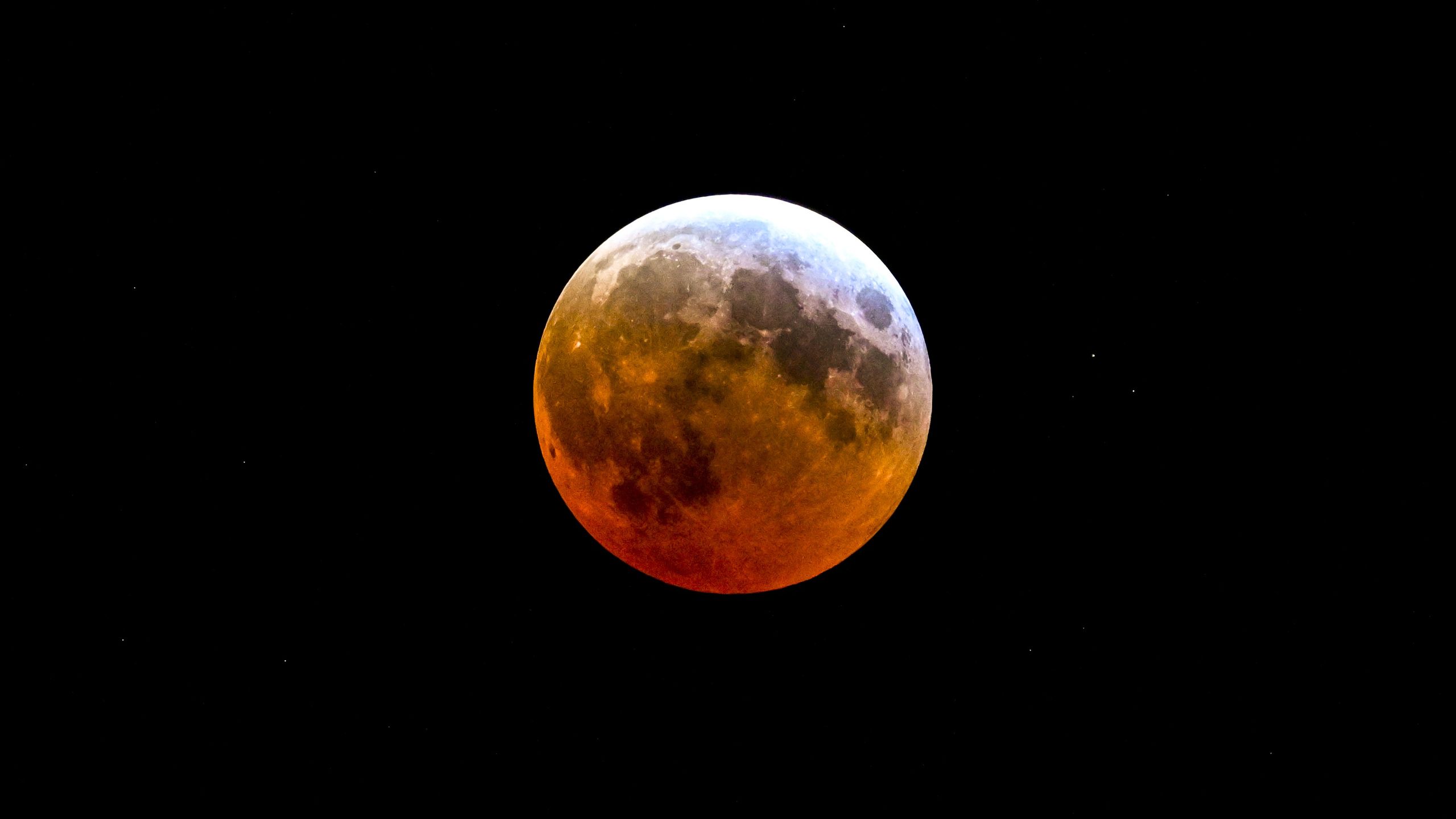
Partial Lunar Eclipse 2026
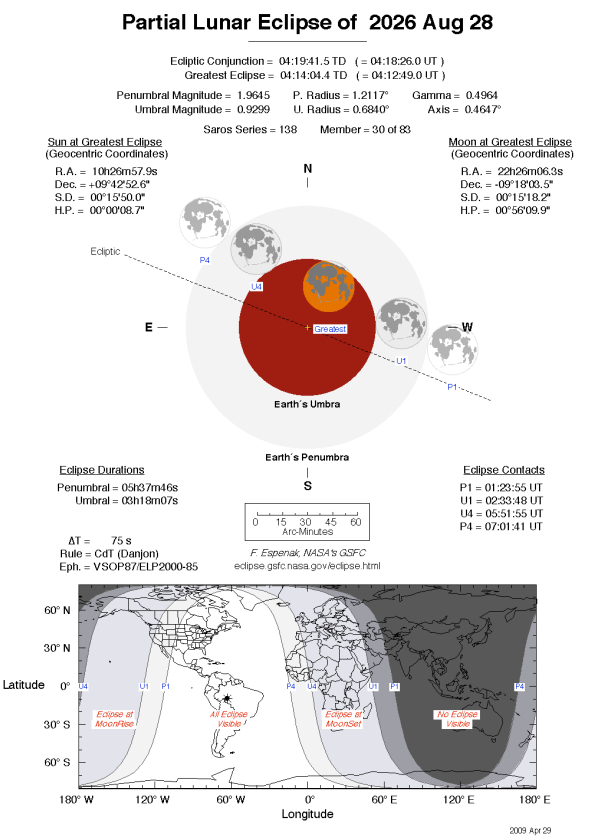
3.3 billion people can see the 96% partial lunar eclipse on Aug 27-28, 2026
Introduction To Lunar Eclipses
A lunar eclipse occurs when the Earth passes between the sun and the moon, casting a shadow on the lunar surface. This phenomenon can only happen during the full moon phase, and it's a sight to behold. On August 27-28, 2026, a partial lunar eclipse will take place, with Earth's shadow covering 96% of the moon's surface. This event has the potential to turn the moon a deep crimson color as it bathes in the light filtered and refracted by our planet's atmosphere.
Visibility Of The Partial Lunar Eclipse
The August 2026 partial lunar eclipse will be visible to approximately 3.3 billion people across the globe, primarily in North America, South America, and parts of Europe and Africa. The timing of the eclipse will vary depending on the location, but the different phases will occur simultaneously for everyone watching from Earth. For instance, stargazers on the West Coast of America will see the maximum eclipse a few hours after sunset, while those on the East Coast will witness it around midnight local time. In the United Kingdom, Europe, and Africa, the eclipse will occur in the early morning hours, just before sunrise.
Observing The Lunar Eclipse
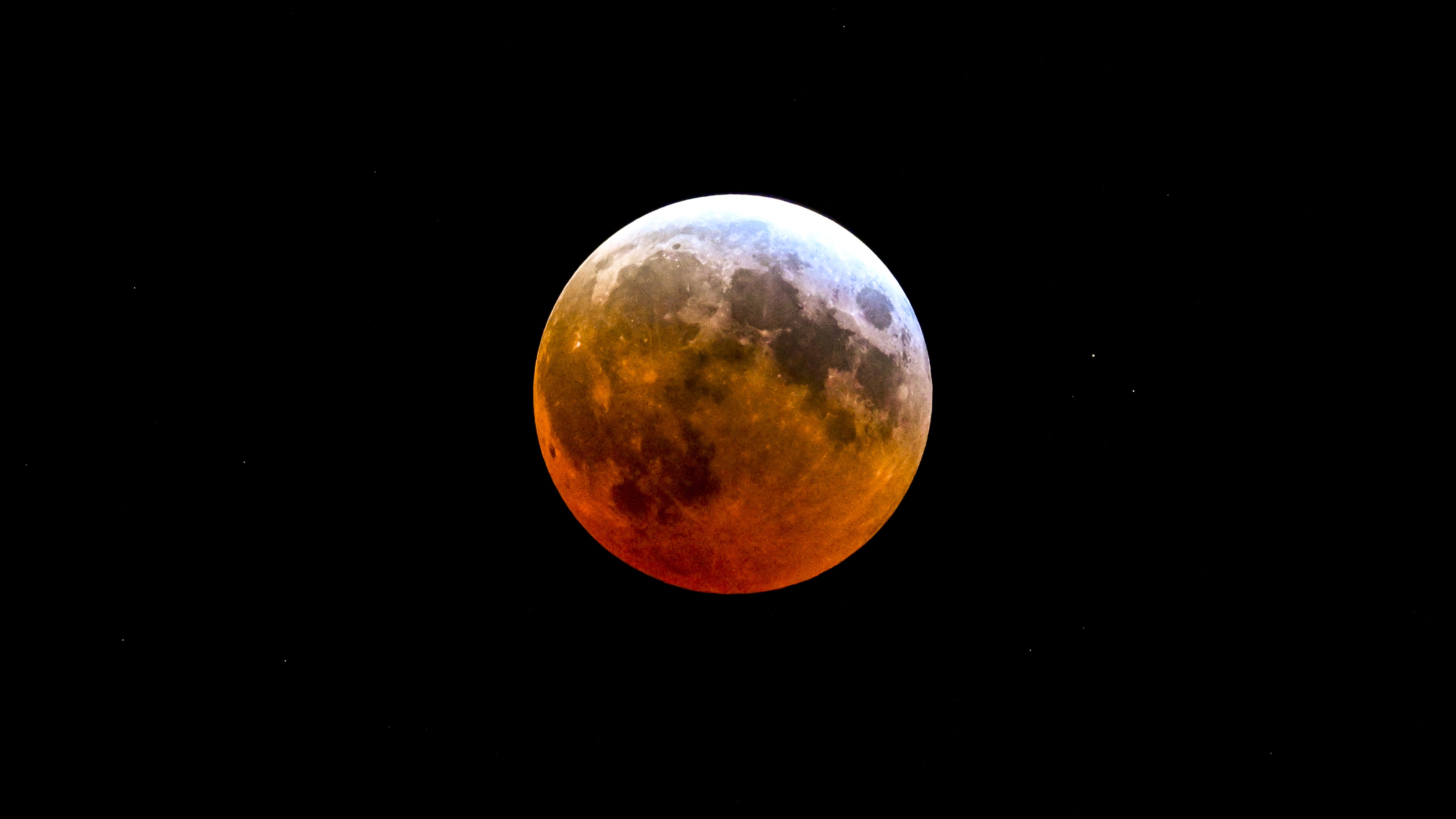
The best part about a lunar eclipse is that it can be enjoyed without any special equipment or safety glasses. The eclipse will be visible to the naked eye, and its beauty can be heightened with the use of binoculars or a telescope. These tools will provide a magnified view of the moon as Earth's shadow slowly moves across its cratered surface. However, it's essential to be on the night side of Earth during the eclipse to witness this phenomenon. Unfortunately, countries like Australia, India, China, and Japan will not be able to see the eclipse as the moon will be below the horizon during the event.
Watching The Eclipse Online And Capturing Photos
For those who won't be able to witness the eclipse in person, Space.com will provide live online coverage of the event. Additionally, the website will offer tips and guidance on how to photograph the moon using a DSLR or mirrorless camera, ensuring that readers can capture stunning images of the eclipse. If you're interested in sharing your photos with Space.com's readers, you can submit them along with your comments, name, and location to spacephotos@space.com.
Conclusion And Future Outlook
The August 2026 partial lunar eclipse promises to be a spectacular event, with its deep crimson color and unique visuals. As the moon passes through Earth's shadow, it will provide a rare opportunity for stargazers to witness a celestial phenomenon. With the help of online resources and live coverage, people around the world can experience and appreciate the beauty of this lunar eclipse. Whether you're a seasoned astronomer or just a curious observer, this event is sure to leave a lasting impression.
Sources
This is an original synthesis by Qivorane based on reporting from the outlets below.