
NASA Funds Futuristic Spaceflight Ideas
NASA's Innovative Advanced Concepts program funds 18 projects for futuristic spaceflight ideas, including exploring Saturn's rings and mapping exoplanets.
Introduction To Nasa's Innovative Concepts
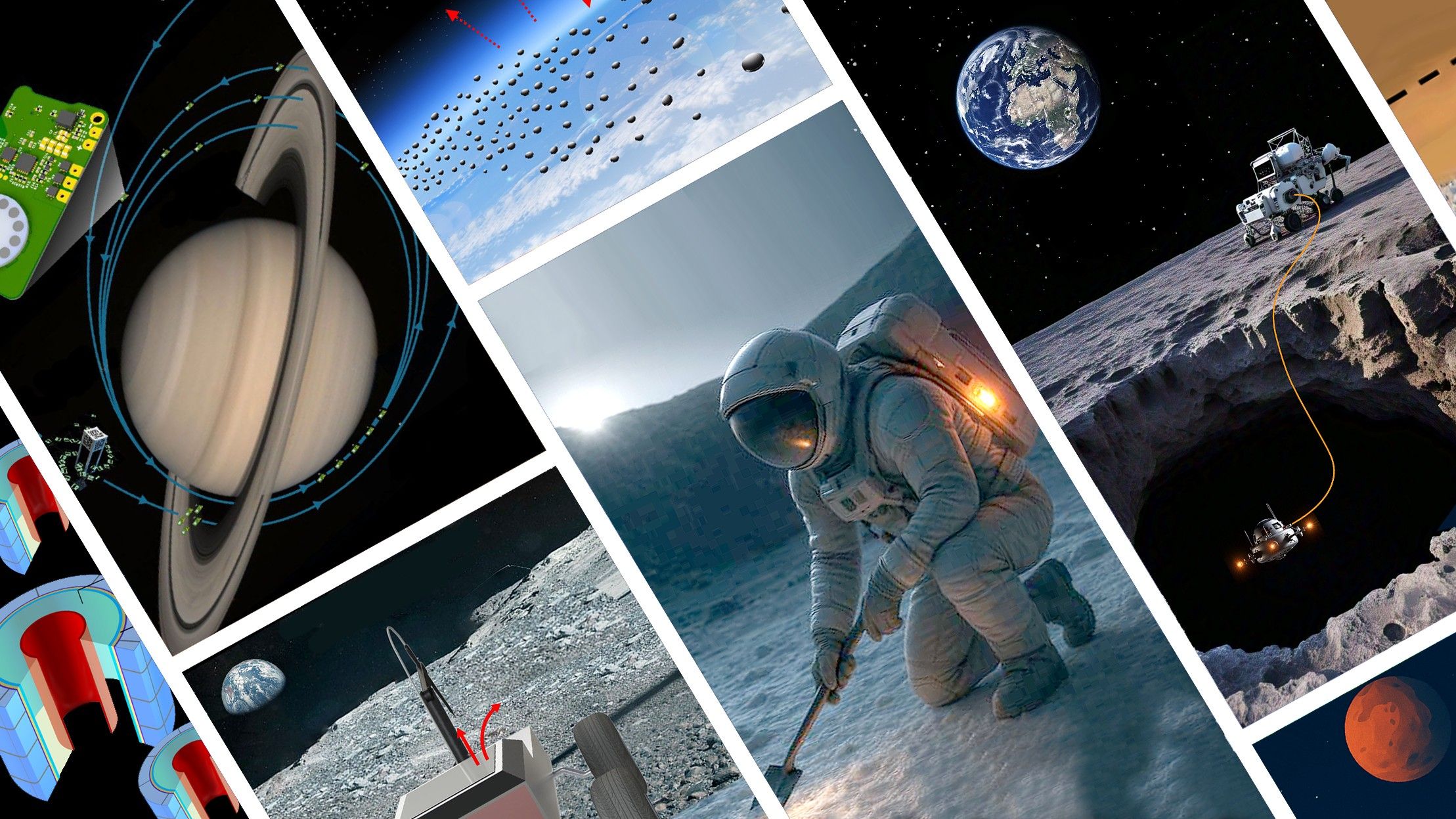
NASA's Innovative Advanced Concepts (NIAC) program has selected 18 projects to receive funding for the development of futuristic spaceflight ideas. These projects, which include proposals for exploring Saturn's rings with thousands of tiny spacecraft and mapping the continents of Earth-like exoplanets, have the potential to transform the field of space exploration. Each of the 18 award winners will receive up to $175,000 to complete a nine-month investigation of their proposals and determine the next steps in maturing their technologies.Exploring Harsh Environments
One of the selected projects involves hardening spacecraft to explore and withstand the harsh conditions of Venus. This proposal aims to develop technologies that can survive the extreme temperatures and pressures on the planet's surface. Another project proposes using radioisotope-heated lunar spacesuits to protect astronauts from the harsh conditions on the Moon. These suits would use radioactive isotopes to generate heat and keep the astronauts warm in the freezing temperatures.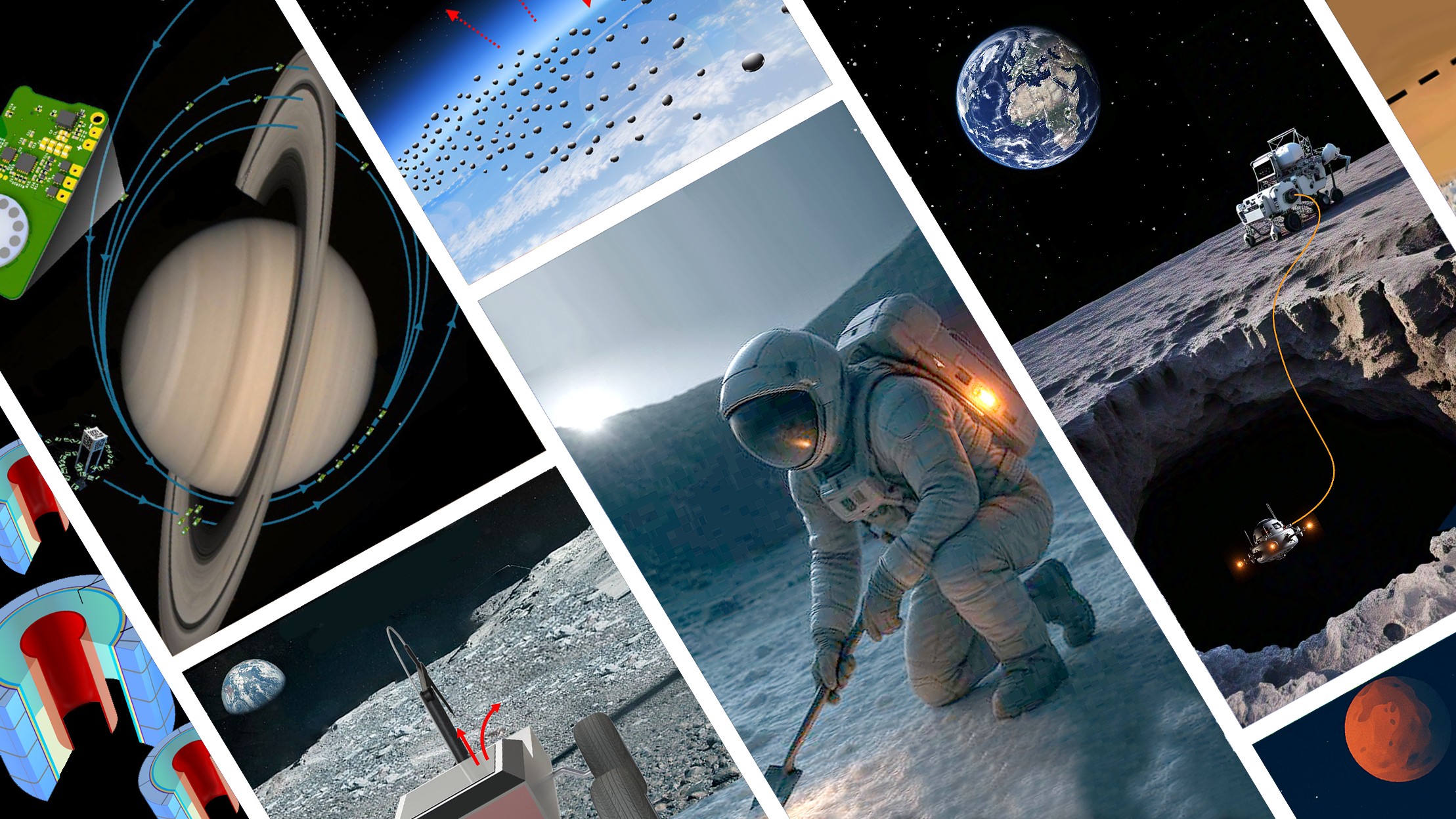
Mapping The Unknown
Several of the selected projects involve mapping and exploring unknown territories in our solar system. The Lunar Underground eXplorer (LUX) project, for example, proposes sending hovering robots to map the lava tubes beneath the Moon's surface. These robots would be tethered to a lander or rover on the surface and would use a laser to communicate and receive power. Another project aims to map the continents of Earth-like exoplanets orbiting nearby stars. This project proposes using a new type of "nulling interferometer" to cancel out the light from the star and detect the contrast of surface features on the exoplanet.Innovative Spacecraft Designs
Some of the selected projects involve innovative designs for spacecraft. The "femtosats" project, for example, proposes exploring Saturn's rings by throwing thousands of tiny spacecraft into the gas giant's orbit. Each of these spacecraft would weigh less than 100 grams and would be designed to conduct in-situ surveys of the rings. Another project proposes using space dust to partially block out the sun and reduce solar radiation. This project aims to develop a technology that can use space dust to shield spacecraft and astronauts from the harsh conditions of space.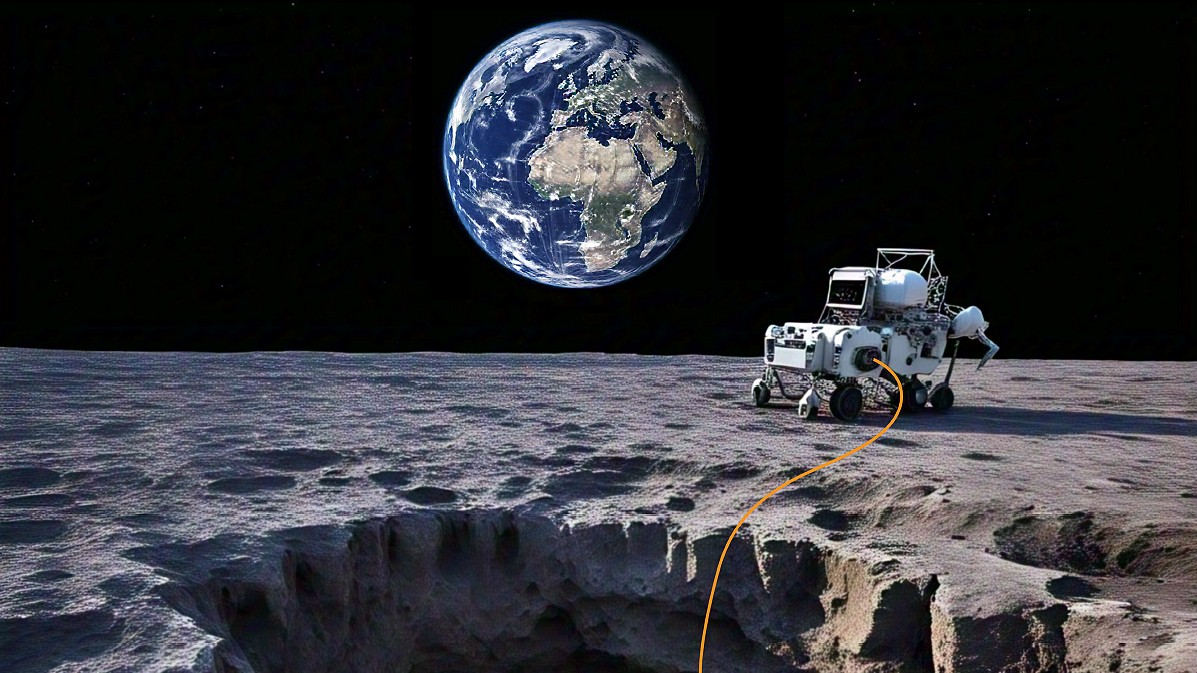
Future Implications
The projects selected by the NIAC program have the potential to transform the field of space exploration and pave the way for future missions. The development of technologies that can survive in harsh environments, map unknown territories, and explore new frontiers will be crucial for establishing a human presence in space. The NIAC program is designed to foster innovation and encourage the development of new ideas and technologies. By funding these projects, NASA is taking a crucial step towards advancing our understanding of the universe and pushing the boundaries of what is possible in space exploration.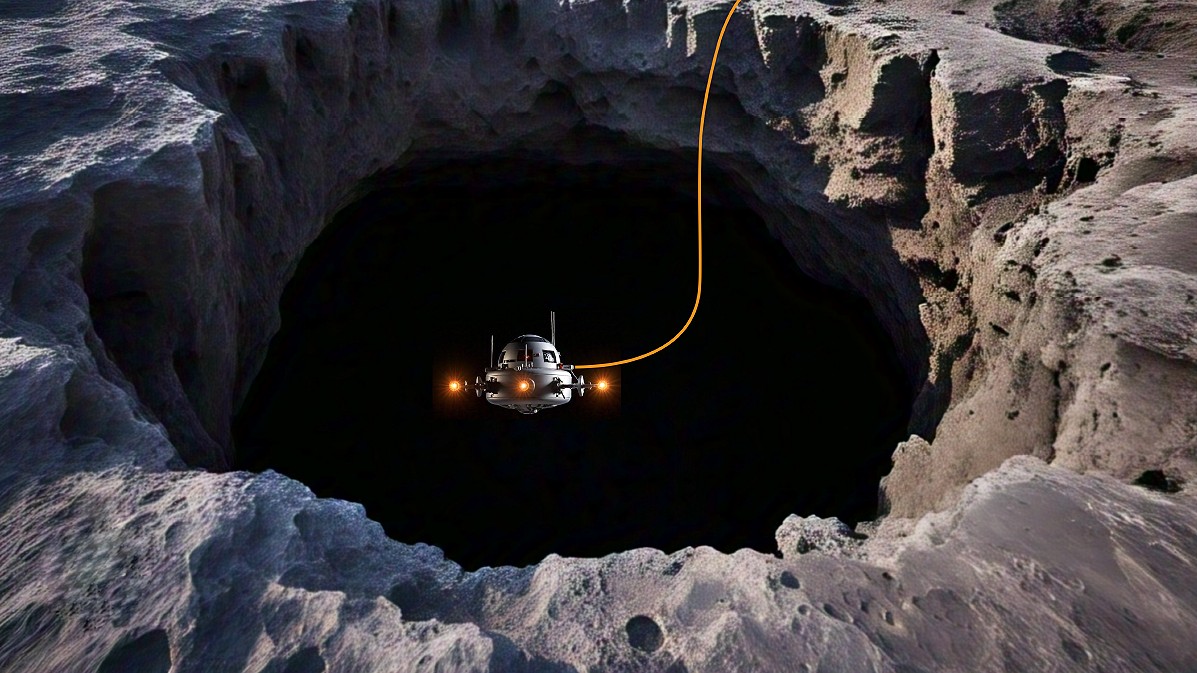
Conclusion And Next Steps
The 18 projects selected by the NIAC program will each receive up to $175,000 to complete a nine-month investigation of their proposals. The next steps will involve determining the feasibility of each project and maturing the technologies. The NIAC program is a crucial step towards advancing our understanding of the universe and pushing the boundaries of what is possible in space exploration. By funding innovative and futuristic ideas, NASA is taking a bold step towards establishing a human presence in space and exploring the unknown.Sources
This is an original synthesis by Qivorane based on reporting from the outlets below.