
Trump Signs New Space Policy
US aims to support 1,000 rocket launches per year by 2030
Introduction To National Space Policy
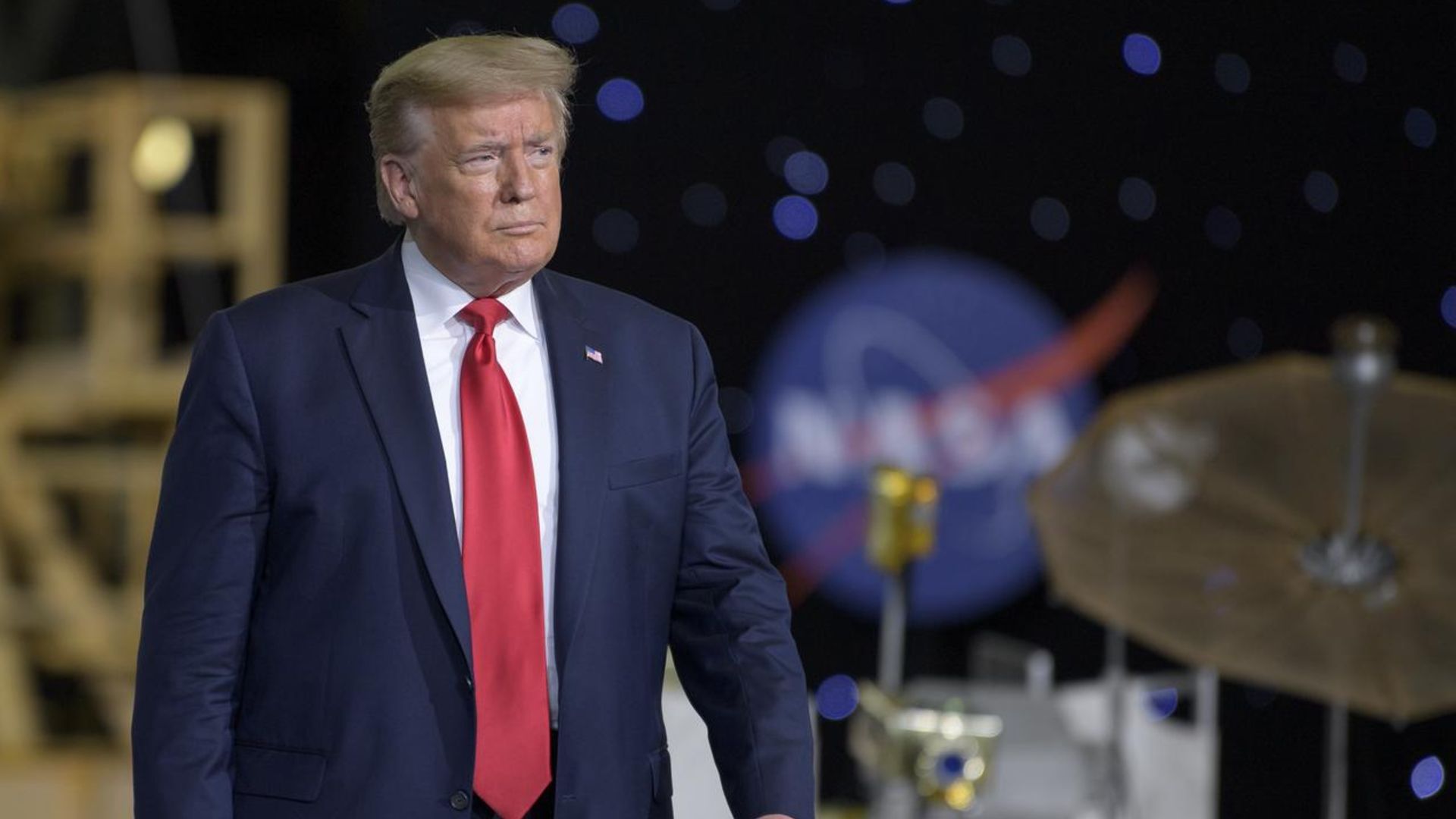
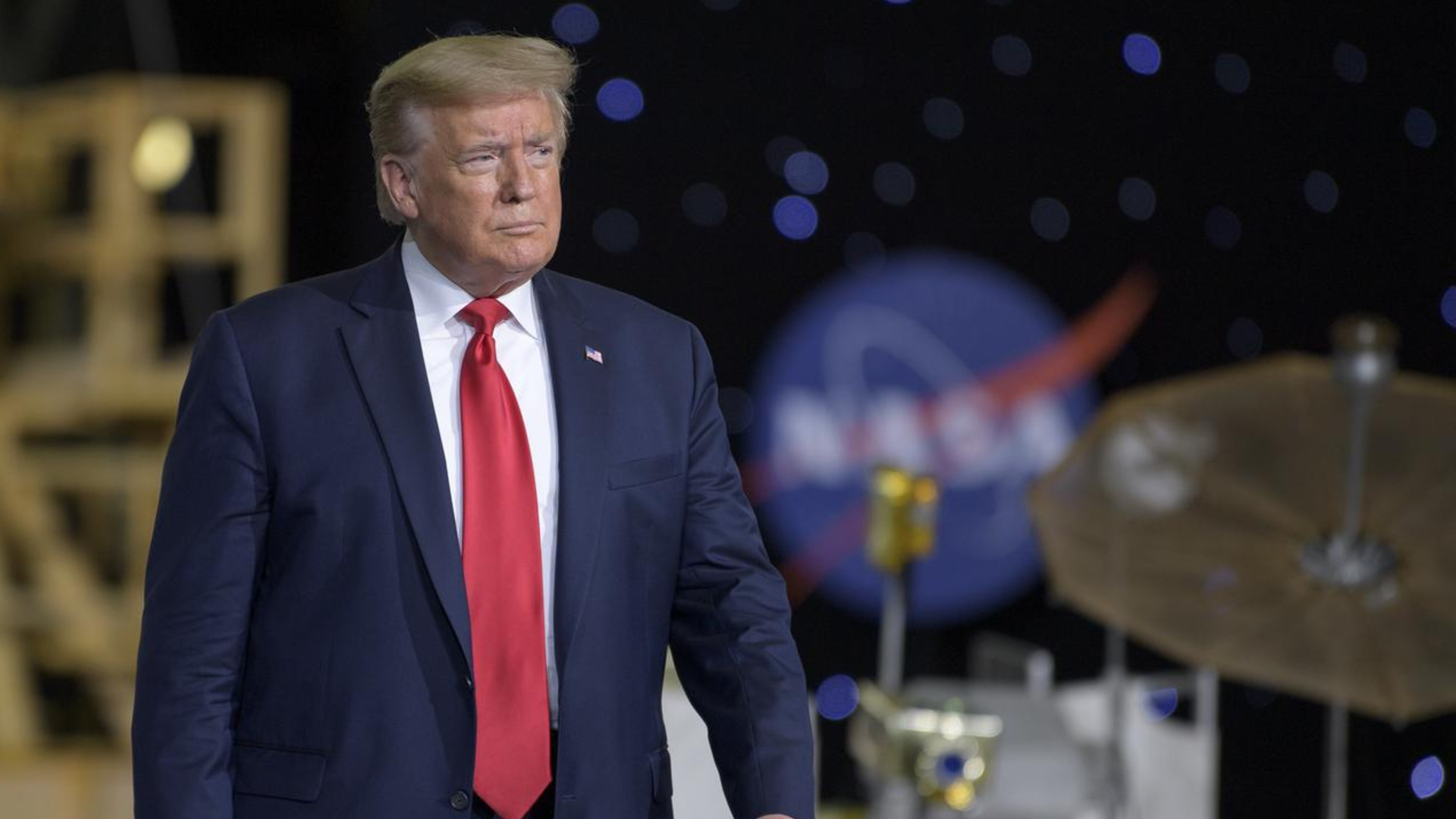
The United States has updated its approach to managing spaceflights, aiming to expand the nation's capabilities to support more than 1,000 rocket launches per year by 2030. President Donald Trump signed a new National Space Transportation Policy, which introduces the first update to the policy since 2013. This new policy comes as commercial operators such as SpaceX have driven U.S. launch cadences up more than 800% since 2015.
Background And Objectives
The policy centers on expanding the infrastructure and procedures needed to support a much busier space industry. It directs federal agencies to identify and broaden commercial access to additional launch and reentry sites, and to incorporate spaceflight operations and critical launch corridors into air traffic control management and modernization efforts. The document gives agencies a deadline to get the work started, with NASA, the Department of Transportation (DOT), and the Department of Defense (DOD) directed to begin identifying potential locations for future launch activities within 180 days of the memo's publication.
Methodology And Implementation
Agencies were also directed to establish leases and commercial investment opportunities to incentivize the co-development of new launch sites. The new properties can be funded, in part, by the same private entities that are lined up to use them. Rocket landing sites are getting extra attention, with the president's policy designating agencies to identify federal lands available for development as independent launch vehicle reentry sites within the next 90 days. This policy reinforces a framework to expedite environmental review processes, first laid out in a commercial space executive order that Trump signed in August 2025.
Key Findings And Implications
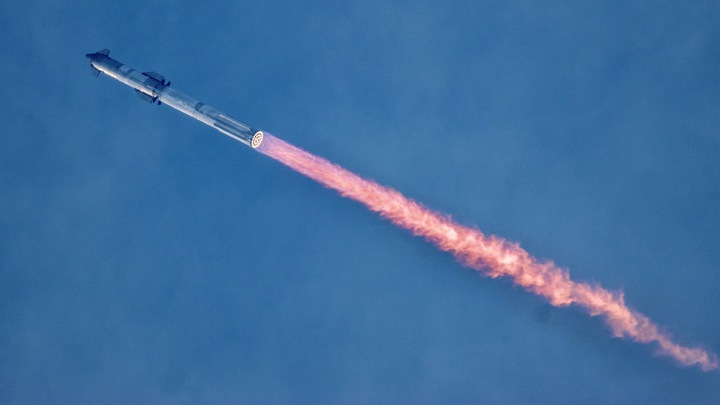
SpaceX is already planning for launch rates far beyond the administration's 2030 target. The company's Starship rocket, which remains in development, is poised to become the first fully reusable launch vehicle in history. In response to the new policy, SpaceX CEO Elon Musk said his company is aiming to launch 30 or more Starship flights a day by 2030, which equates to more than 10,000 flights per year. For government missions, the strategy also emphasizes having more than one ride to orbit, with NASA and DOD tasked with maintaining multiple launch options and developing adaptable interfaces that would allow payloads to move between rockets from varying providers.
Future Outlook And Applications
The new policy has significant implications for the future of space exploration and development. With the potential for over 1,000 rocket launches per year, the United States is poised to become a leader in the global space industry. The policy's emphasis on commercial launch services, spacecraft servicing, and logistics will also enable greater collaboration and innovation between government agencies and private companies. As the space industry continues to grow and evolve, this new policy will play a critical role in shaping its future and ensuring that the United States remains at the forefront of space exploration and development.
Sources
This is an original synthesis by Qivorane based on reporting from the outlets below.