
SpaceX Starship Orbital Flight
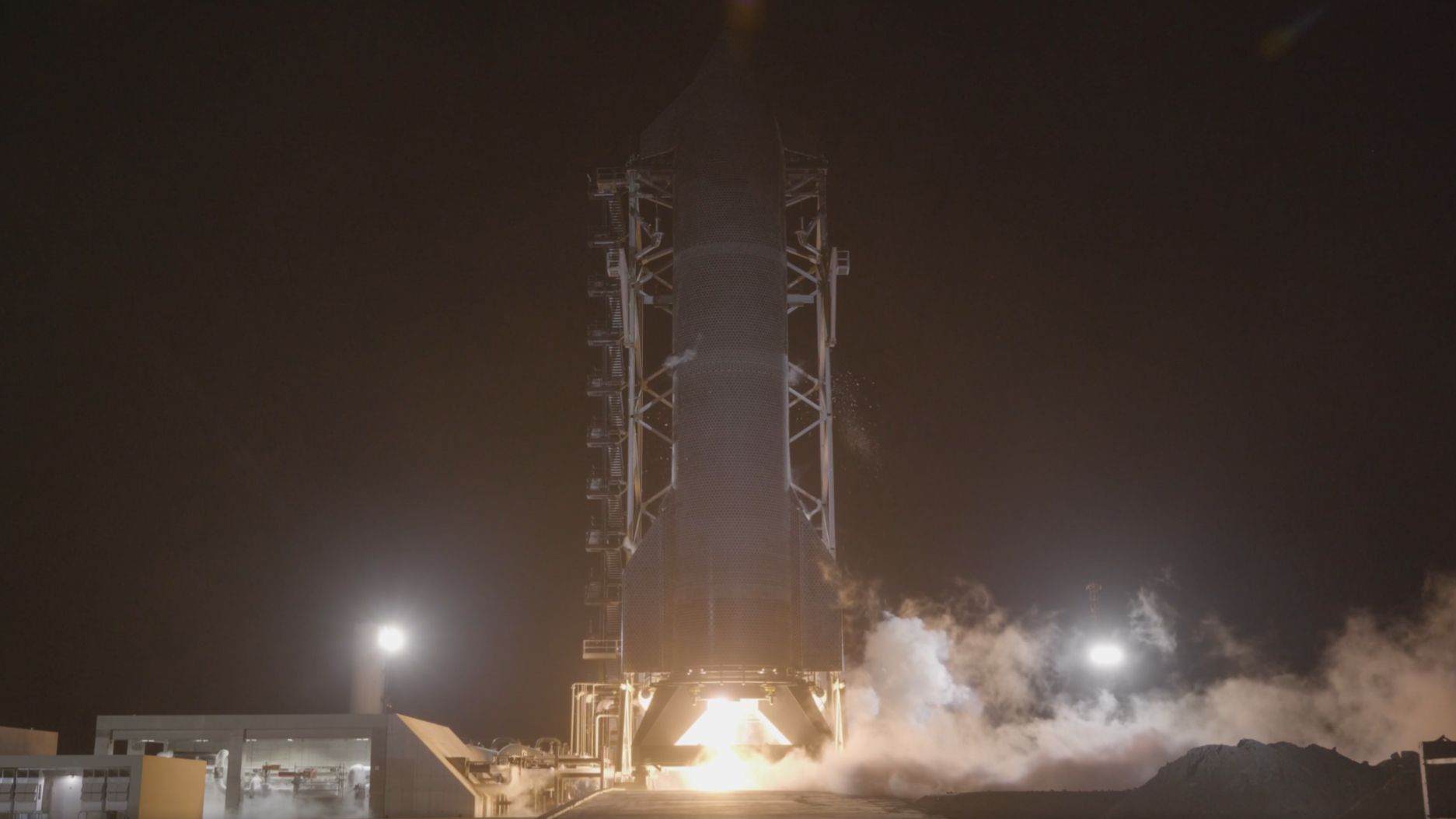
SpaceX prepares for Starship's first orbital flight with static fire test
Introduction To Starship's Orbital Flight
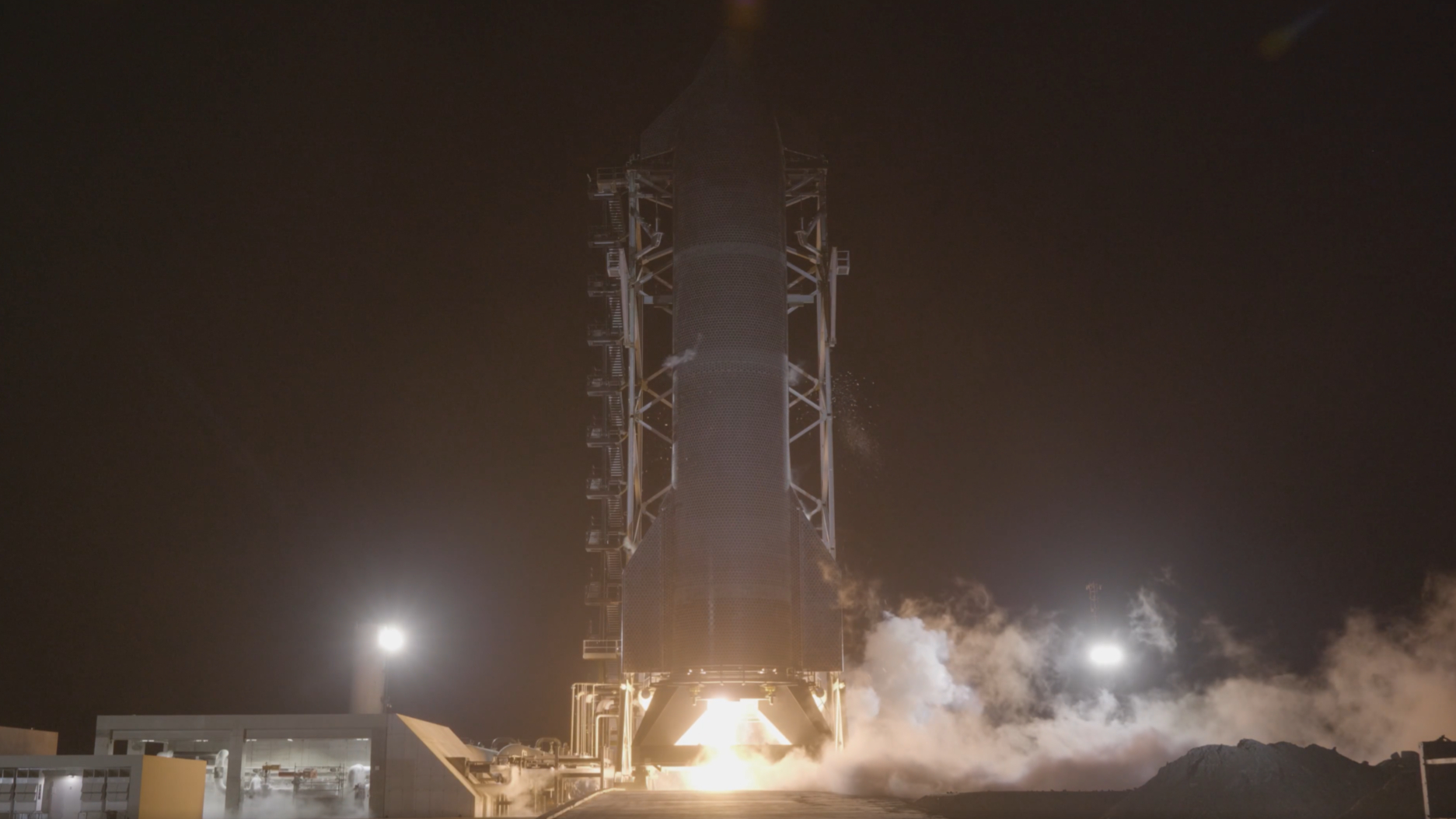
SpaceX is gearing up for the next launch of its massive Starship rocket, with the company recently completing a single-engine static fire test with its Ship 41 vehicle. This test is a crucial step in preparing for Starship's first orbital flight, which is slated to take place in early to mid-September. The static fire test, which was conducted at SpaceX's Massey's test site in South Texas, demonstrated a deorbit burn for upcoming orbital missions.
Static Fire Test And Engine Performance
The recent engine burn was designed to test the performance of one of the spacecraft's six Raptor 3 engines, which burned for approximately 15 seconds. SpaceX followed up this test with a full six-engine test, which lasted around 60 seconds. The successful completion of these tests brings SpaceX one step closer to launching Starship into orbit for the first time. The company has been working tirelessly to prepare for this mission, with the ultimate goal of making Starship the largest and most powerful launch vehicle in history.
Flight 14 Mission Objectives
Flight 14 will be Starship's 14th test flight, but it will be the rocket's first launch into orbit. The mission will mark a major milestone for SpaceX, as it will demonstrate the company's ability to launch a vehicle into orbit and return it safely to Earth. The flight will also test the performance of the upgraded "Version 3" (V3) of the Starship vehicle, which was introduced in May. SpaceX is also modifying a Starship V3 to dock with NASA's Orion spacecraft as part of the Artemis III mission to Earth orbit next year.
Real-World Implications And Future Outlook
The successful launch of Starship into orbit will have significant implications for the space industry. SpaceX has plans to use Starship to launch astronauts to the moon and beyond, with the company aiming to support 30 Starship launches per day. The ability to return and refly both Starship stages is a key component of SpaceX's design for the giant rocket, which will enable the company to launch missions at a much faster rate than currently possible. With NASA contracting SpaceX as one of two commercial moon lander providers for the Artemis program, the company is poised to play a major role in the future of space exploration.
Challenges And Next Steps
While SpaceX has made significant progress in preparing for the Flight 14 mission, there are still several challenges that need to be overcome. The company needs to complete a number of prelaunch activities, including testing the Super Heavy first-stage booster, before it can declare the vehicle launch-ready. Additionally, SpaceX has not yet attempted to catch a V3 Super Heavy booster using its "Mechazilla" launch tower, which is a crucial step in demonstrating the reusability of the rocket. Despite these challenges, SpaceX is pushing forward with its plans to launch Starship into orbit, with the company aiming to make the rocket a reality in the near future.
Sources
This is an original synthesis by Qivorane based on reporting from the outlets below.