
NASA's Astronaut Training Hub Evolves
NASA's astronaut training hub is changing with commercial space stations on the horizon
Introduction To NASA's Astronaut Training Hub
NASA's astronaut training hub, located at the Johnson Space Center in Houston, is undergoing a significant transformation as the agency prepares for the emergence of commercial space stations. The International Space Station (ISS), which has been in operation for over two decades, is expected to retire around 2030, and NASA is already working with private companies to develop new space stations that will take its place. A recent tour of the Johnson Space Center provided a glimpse into the current state of NASA's astronaut training hub and the role that commercial space stations will play in the future of human spaceflight.
Current State Of Astronaut Training
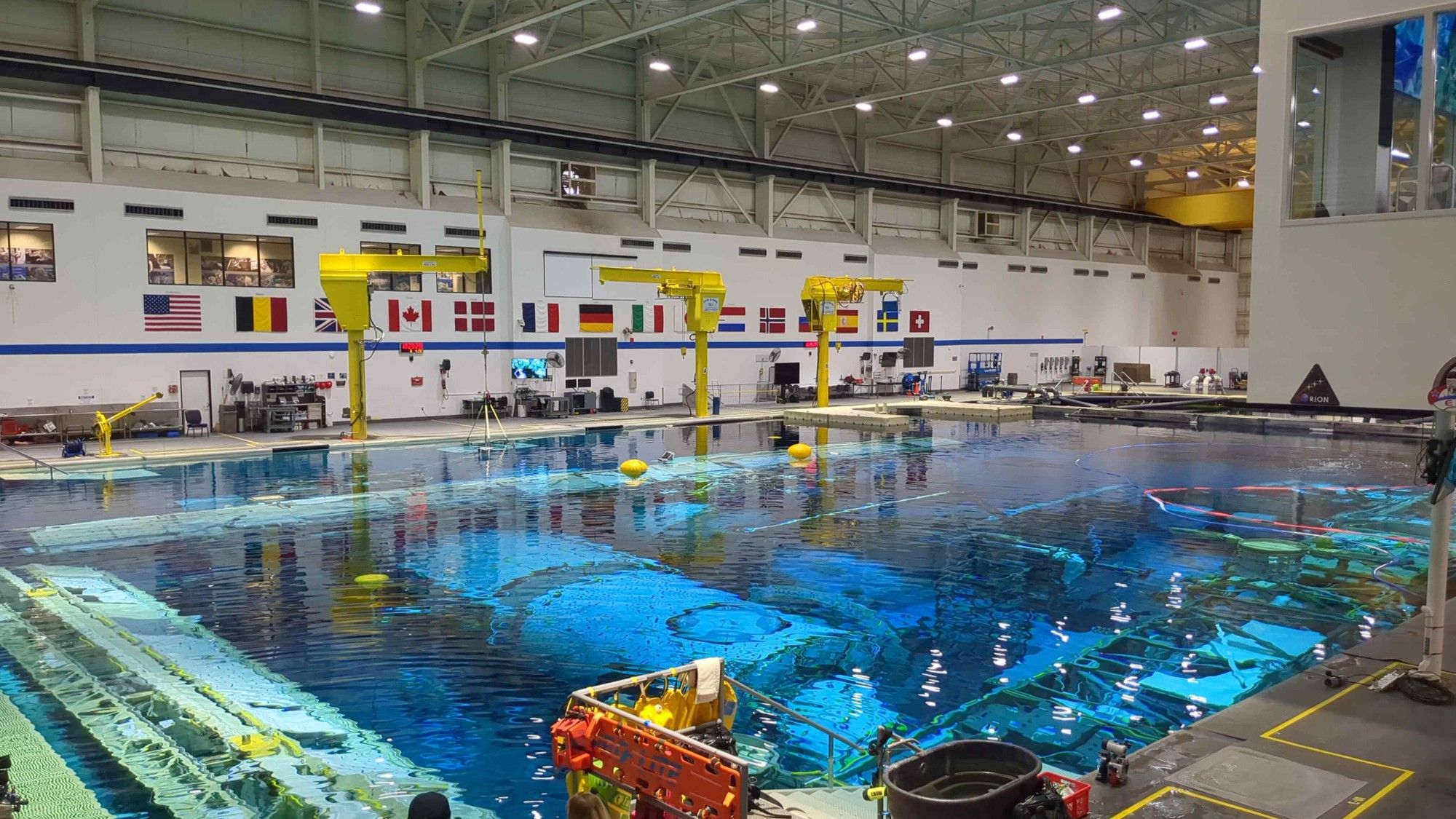
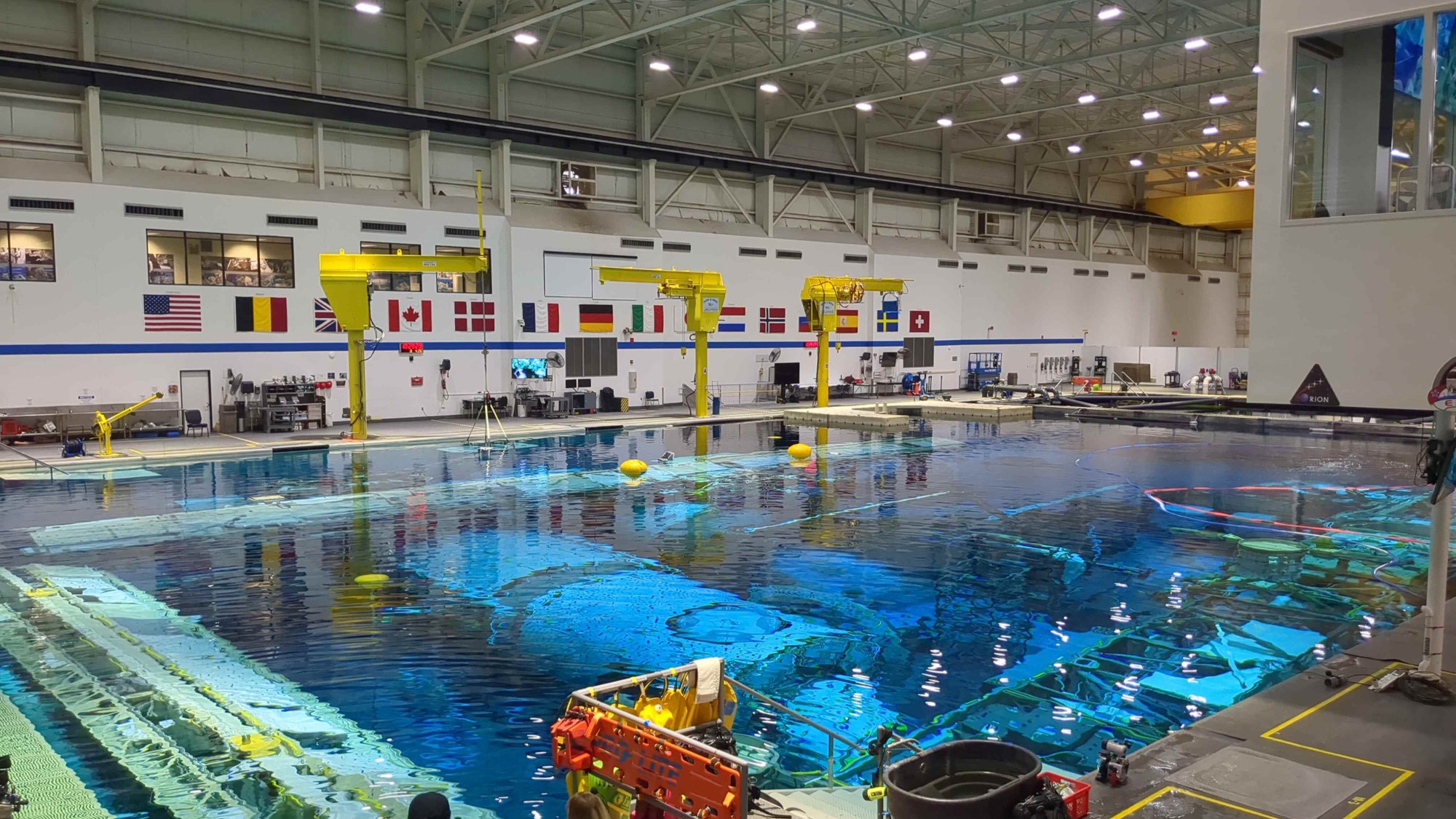
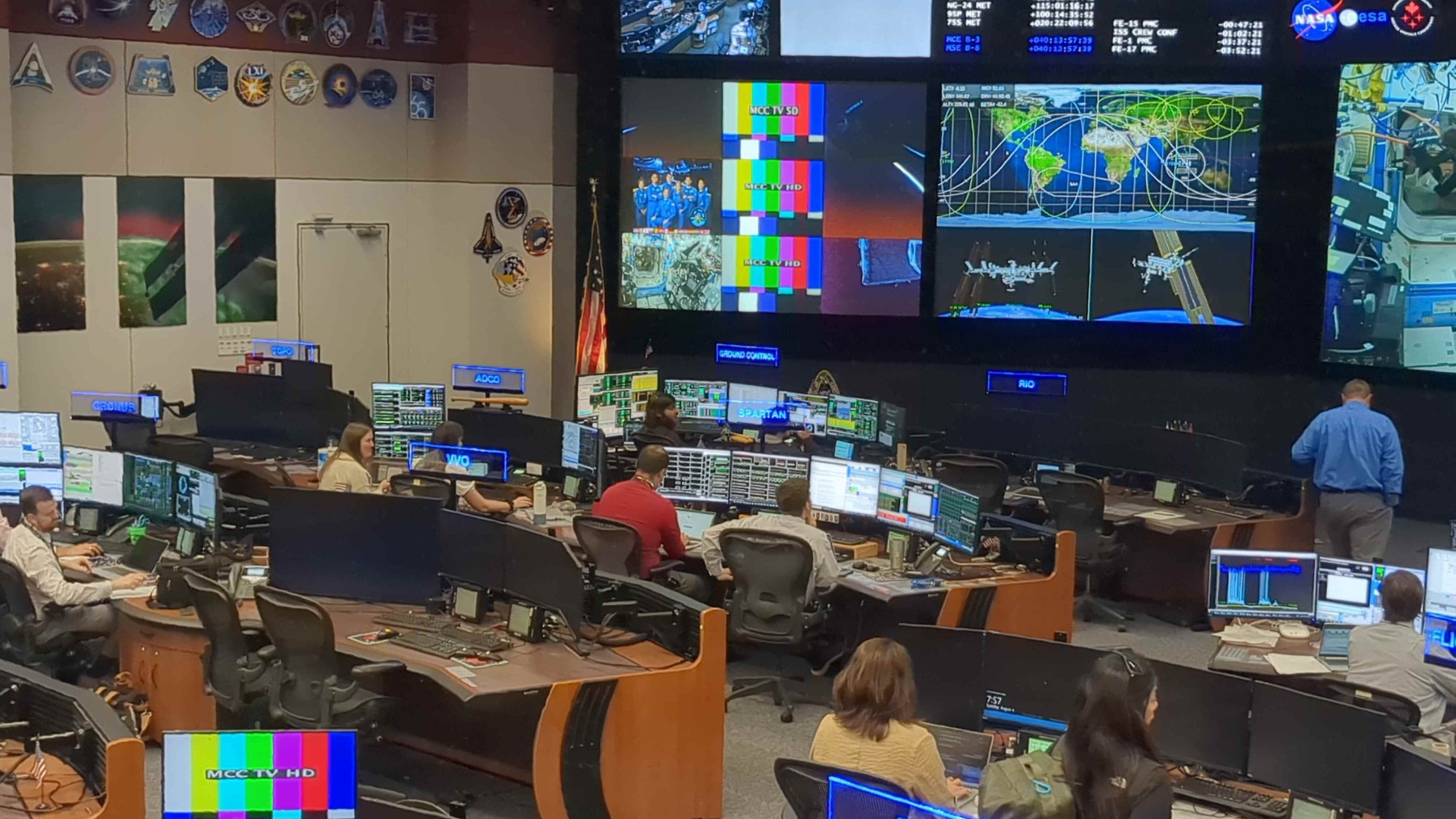
The Johnson Space Center is home to a range of facilities that support astronaut training, including the Neutral Buoyancy Laboratory, which is used to simulate spacewalks, and the ISS Mission Control room, which is responsible for overseeing the operation of the ISS. The Mission Control room is a hub of activity, with a team of controllers monitoring the station's systems and communicating with the astronauts on board. During a recent visit, the controllers were watching the Expedition 75 astronauts as they went about their daily activities on the station.
Commercial Space Stations On The Horizon
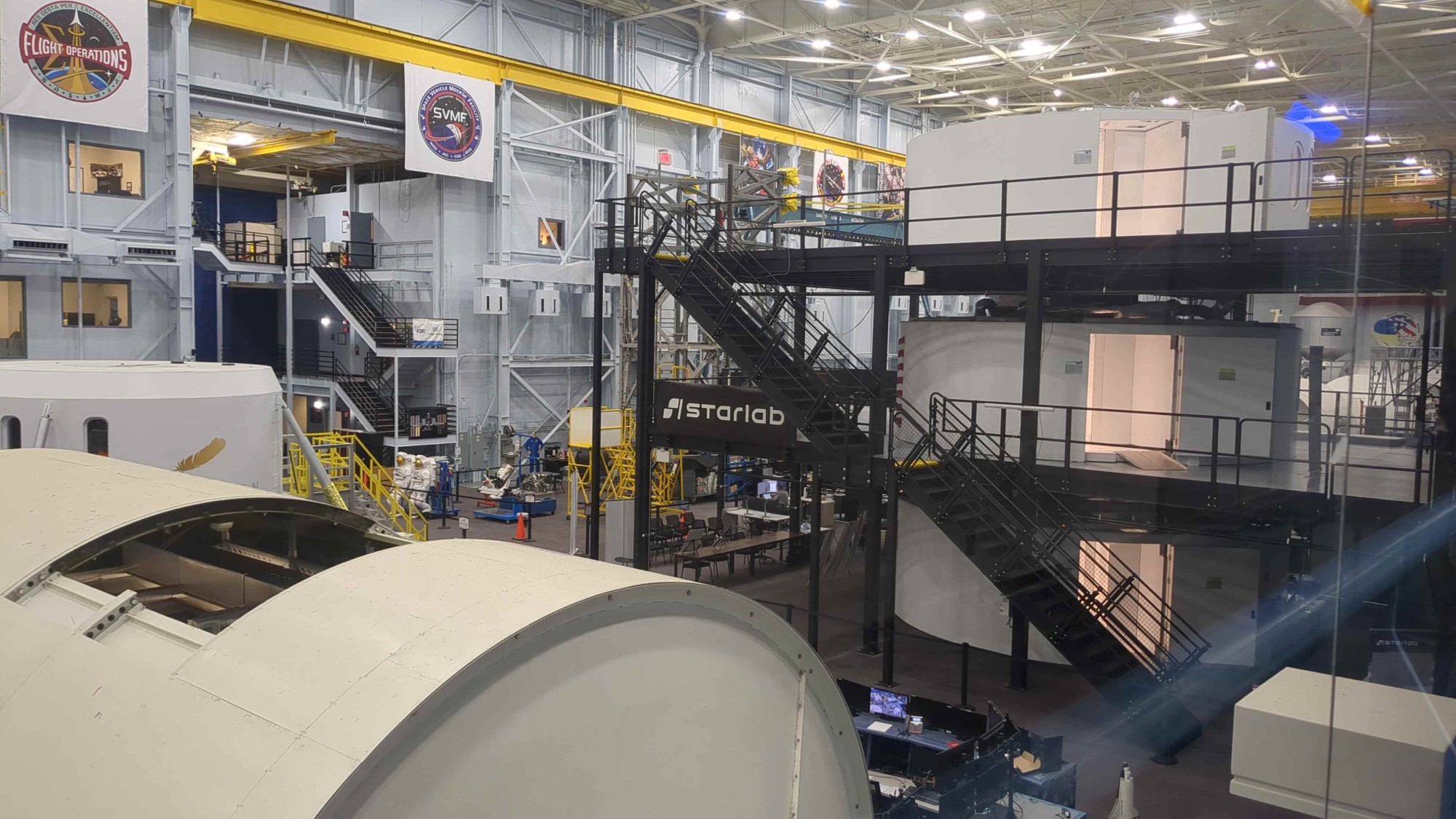
NASA's Commercial LEO (Low Earth Orbit) Destinations program is aimed at developing private space stations that can support astronaut missions. The program has already awarded contracts to several companies, including Nanoracks, Blue Origin, and Northrop Grumman, to develop their own space stations. Other companies, such as Vast Space and Bigelow Aerospace, are also working on their own modules, which could potentially be used as part of a larger space station. These commercial space stations will play a critical role in the future of human spaceflight, providing a new platform for astronauts to conduct research and develop new technologies.
Lessons Learned From The ISS
As the ISS approaches the end of its operational life, NASA is taking the opportunity to reflect on the lessons learned from the program. The agency is working to apply these lessons to the development of new space stations, with a focus on greater collaboration with private companies. The ISS has been a highly successful program, with a range of scientific discoveries and technological advancements made possible by the station's unique microgravity environment. However, the program has also faced its challenges, including a recent leak on the Russian side of the station, which highlighted the need for greater cooperation and communication between the different partners involved in the program.
Future Of Astronaut Training
As commercial space stations become a reality, NASA's astronaut training hub will need to adapt to support the new platforms. The agency is already working with private companies to develop new training programs and facilities, which will be designed to support the specific needs of each space station. The future of astronaut training will be characterized by greater collaboration between NASA and private industry, with a focus on developing the skills and expertise needed to support a new generation of space stations. With the ISS set to retire in the near future, the development of commercial space stations represents an exciting new chapter in the history of human spaceflight.
Sources
This is an original synthesis by Qivorane based on reporting from the outlets below.