

NASA's Roman Space Telescope
NASA's Roman Space Telescope to launch, honoring Nancy Grace Roman, architect of space-based astronomy
Introduction To The Nancy Grace Roman Space Telescope
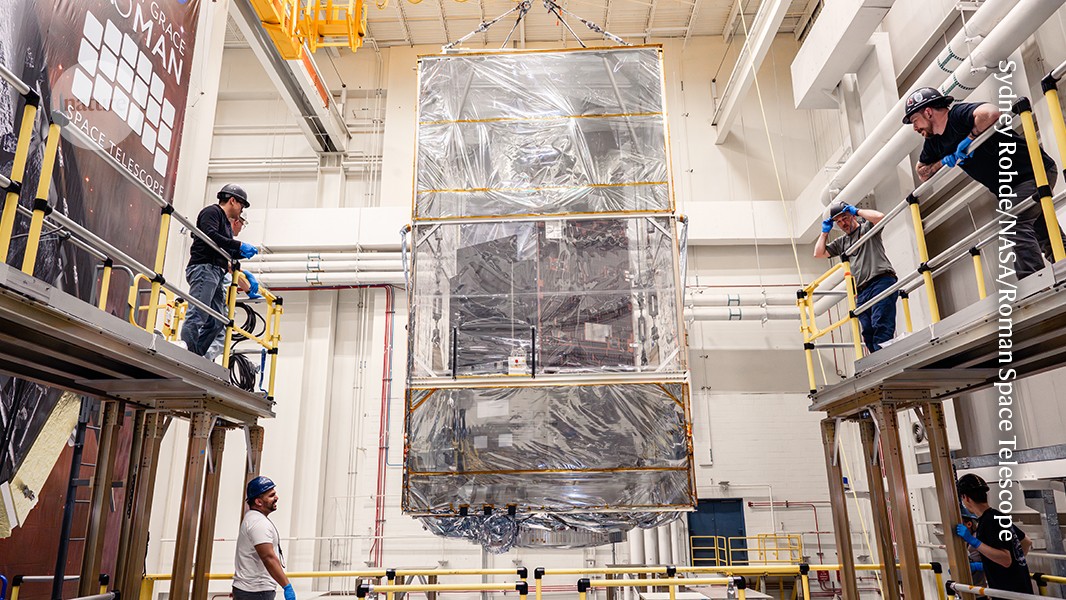
The Nancy Grace Roman Space Telescope, set to launch aboard a SpaceX rocket from Kennedy Space Center in Florida, is poised to revolutionize our understanding of the universe. This cutting-edge telescope is named after Nancy Grace Roman, NASA's first chief of astronomy, who played a pivotal role in shaping the field of space-based astronomy. With its large mirror and expansive field of view, the Roman Space Telescope will be capable of surveying vast swaths of the sky quickly, making it an ideal tool for hunting dark energy's fingerprints and detecting exoplanets.
Life And Career Of Nancy Grace Roman
Nancy Grace Roman was born on May 16, 1925, in Nashville, Tennessee, and developed a passion for astronomy at a young age. Her mother encouraged her curiosity, and by age 11, Roman had already organized an astronomy club among her classmates. Despite facing sexism in 20th-century academia, Roman pursued her ambition to become a professional astronomer, earning a bachelor's degree in astronomy from Swarthmore College in 1946 and a Ph.D. in astronomy from the University of Chicago in 1949. Her doctoral research focused on stellar dynamics and the motions of stars in the Milky Way, laying the foundation for her lifelong interest in stellar populations and galactic structure.

Scientific Capabilities And Mission Objectives
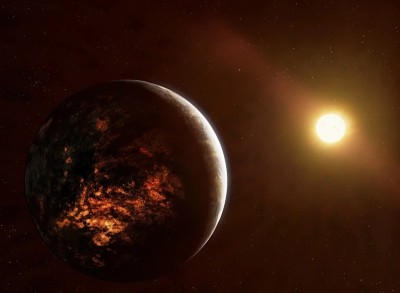
The Roman Space Telescope boasts a mirror the same size as the one in the Hubble Space Telescope but has a field of view more than 100 times larger. This allows it to survey vast areas of the sky quickly, making it an ideal tool for detecting exoplanets and studying dark energy. The telescope's infrared vision will enable it to observe distant galaxies and stars, providing valuable insights into the formation and evolution of the universe. With its advanced technology, the Roman Space Telescope is expected to detect perhaps 100,000 exoplanets, significantly expanding our understanding of planetary formation and the potential for life beyond Earth.
Launch And Operation
The Roman Space Telescope is scheduled to launch on August 30, and after becoming operational early next year, it will begin its mission to explore the universe. The telescope will undergo a series of tests and calibrations before starting its scientific observations. With its unprecedented capabilities, the Roman Space Telescope is poised to make significant contributions to our understanding of the universe, from the formation of galaxies to the detection of exoplanets. As the telescope prepares for launch, the scientific community is eagerly awaiting the wealth of new data and discoveries that it will bring.
Legacy Of Nancy Grace Roman
Nancy Grace Roman's legacy extends far beyond her contributions to astronomy. She paved the way for future generations of women in science, demonstrating that with determination and hard work, they could overcome the obstacles and achieve their goals. The Roman Space Telescope is a testament to her vision and dedication to the field of astronomy, and its launch marks a significant milestone in the ongoing quest to explore and understand the universe. As we look to the future, the Roman Space Telescope will continue to inspire new discoveries and advancements, honoring the memory of Nancy Grace Roman and her remarkable contributions to the field of astronomy.
Sources
This is an original synthesis by Qivorane based on reporting from the outlets below.
- [1] Phys.org: NASA telescope honors Nancy Grace Roman, architect of space-based astronomy
- [2] Nature News: The Roman telescope is about to take planet-hunting to the next level
Additional coverage: