

NASA's Swift Telescope To Crash
NASA's Swift space telescope rescue mission failed, now set to crash back to Earth
Introduction To The Rescue Mission
The Neil Gehrels Swift Observatory, a NASA space telescope launched in November 2004, was on a mission to study gamma-ray bursts and other cosmic objects. However, its science work has come to an end, and the observatory's days in orbit are numbered due to high solar activity causing its orbit to decay quickly. In an attempt to save Swift, NASA put out a call to action in September 2025, seeking a private company to perform a re-boost and save the telescope from crashing back to Earth.The Failed Rescue Attempt
Katalyst Space Technologies, an Arizona-based company, answered the call and won a $30 million NASA contract to perform the re-boost. They built a robotic spacecraft called LINK, which launched on July 3 to meet up with Swift and haul it to a higher orbit. However, LINK suffered attitude-control issues after launch, causing NASA and Katalyst to wave off the rescue attempt.
Uncontrolled Reentry And Potential Risks
Swift is now coming back down to Earth, but it's unclear when and where. According to Alise Fisher, a public affairs specialist at NASA, the spacecraft's specific timing for reentry will depend on several factors, and NASA will share more information as reentry approaches. The risk of harm coming to anyone on Earth is unlikely, as most of the spacecraft is expected to burn up during reentry. However, some components may survive and potentially cause damage.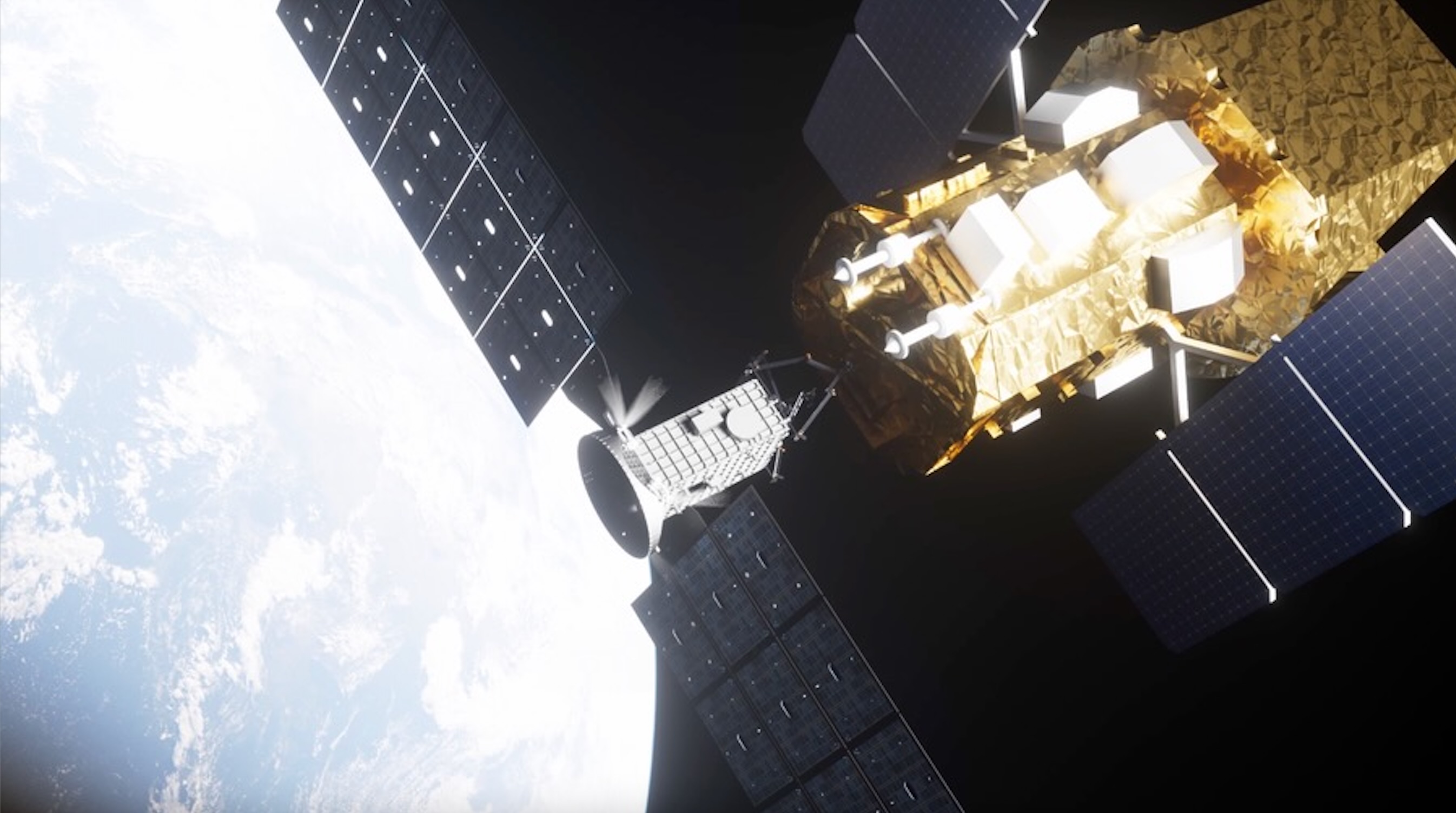
Timeline Troubles And Future Outlook
Ghonhee Lee, the CEO of Katalyst Space Technologies, stated that the timeline worked against the group, and having an additional three months would have made a significant difference. The failure of the rescue mission highlights the challenges and risks involved in space operations. As Swift prepares to reenter the Earth's atmosphere, NASA and other space agencies will be closely monitoring the situation to minimize potential risks and ensure public safety.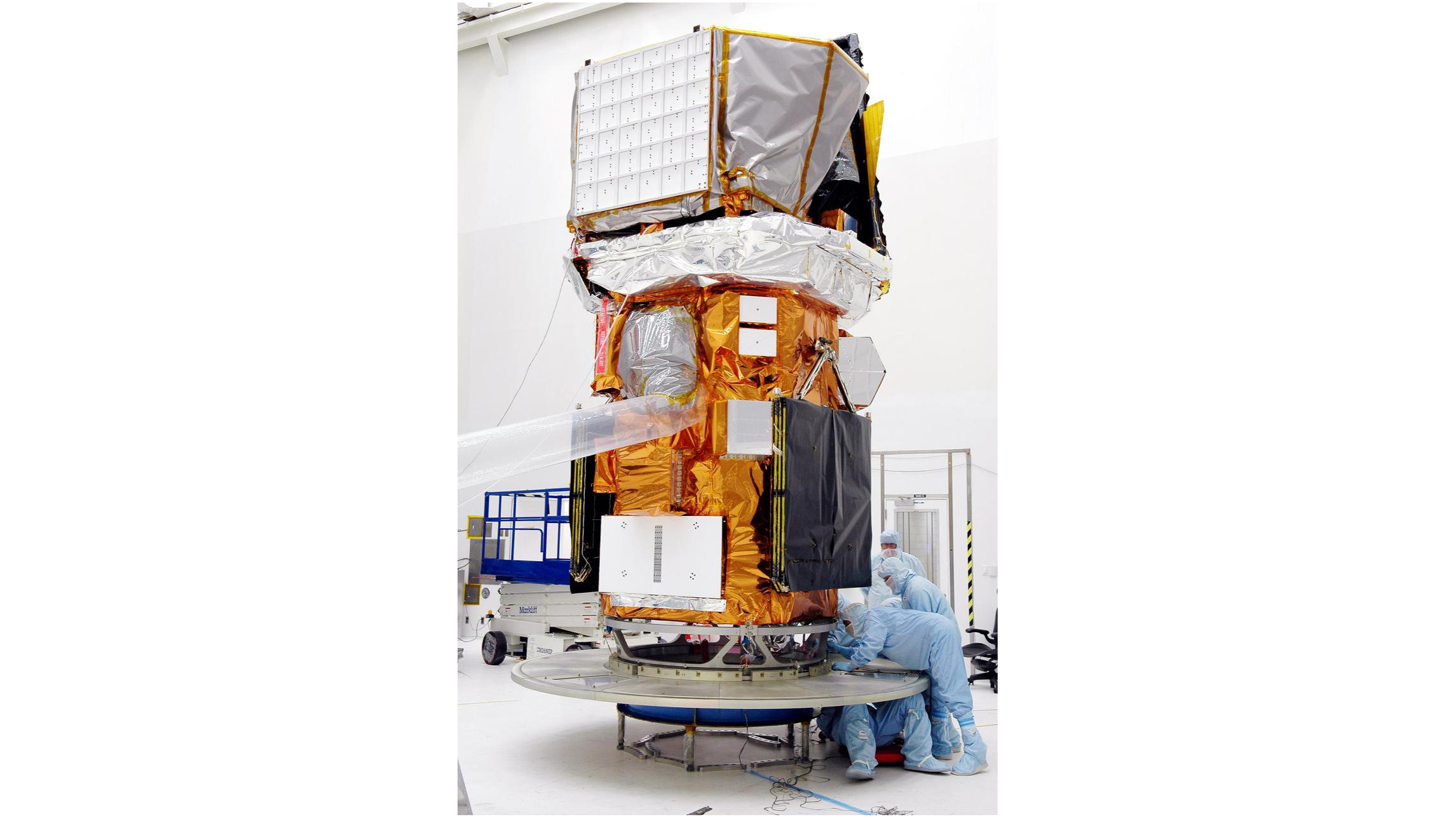
Conclusion And Real-World Implications
The story of Swift's rescue mission and its eventual failure serves as a reminder of the complexities and uncertainties of space exploration. As space agencies and private companies continue to push the boundaries of space technology, they must also be prepared to face unexpected challenges and setbacks. The potential risks and consequences of uncontrolled reentry highlight the need for careful planning, coordination, and communication among stakeholders to ensure public safety and minimize potential damage.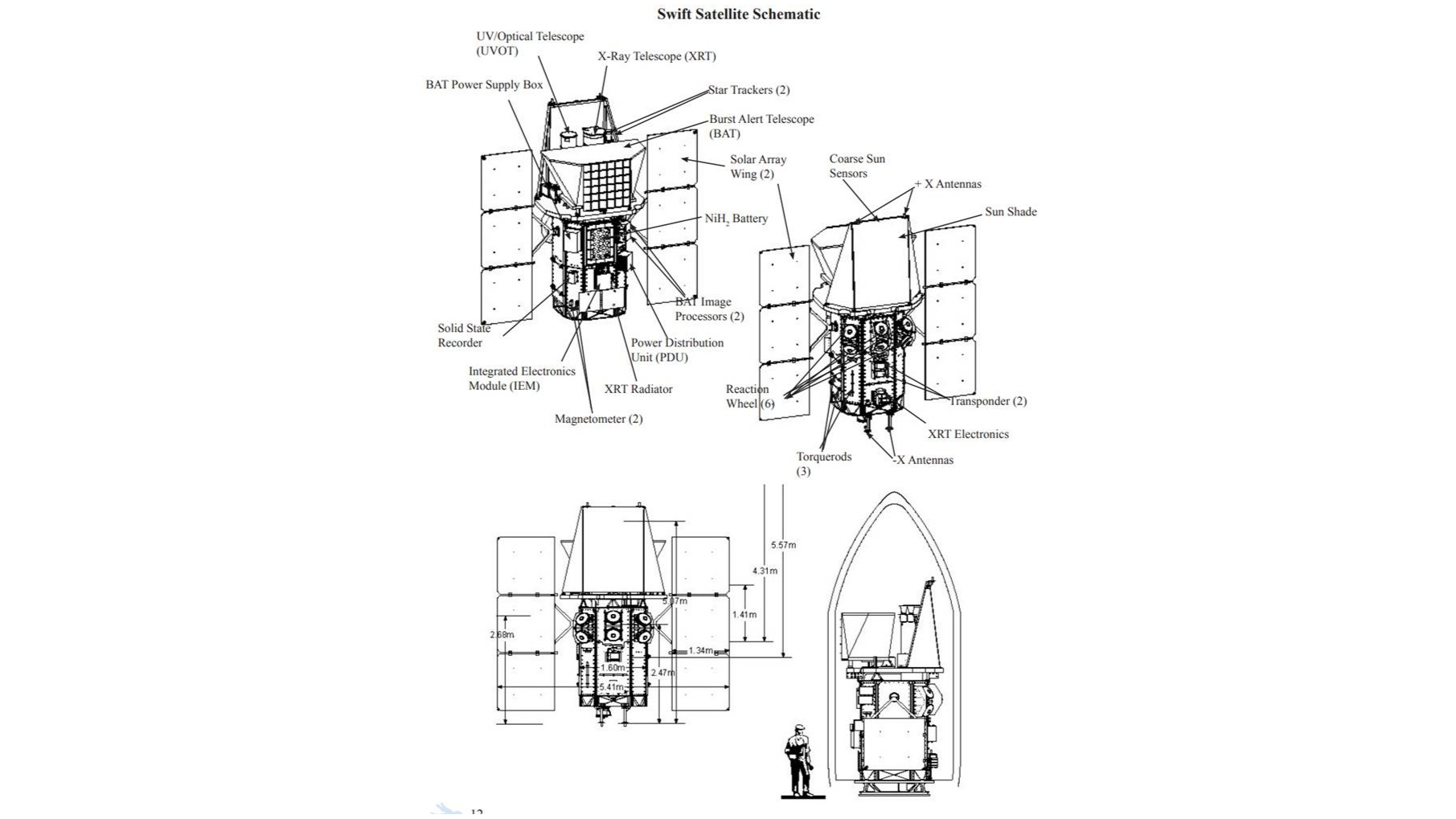
Sources
This is an original synthesis by Qivorane based on reporting from the outlets below.
- [1] Space.com: After failure of private rescue mission, NASA's Swift space telescope will crash back to Earth. But when and where?
Additional coverage: