
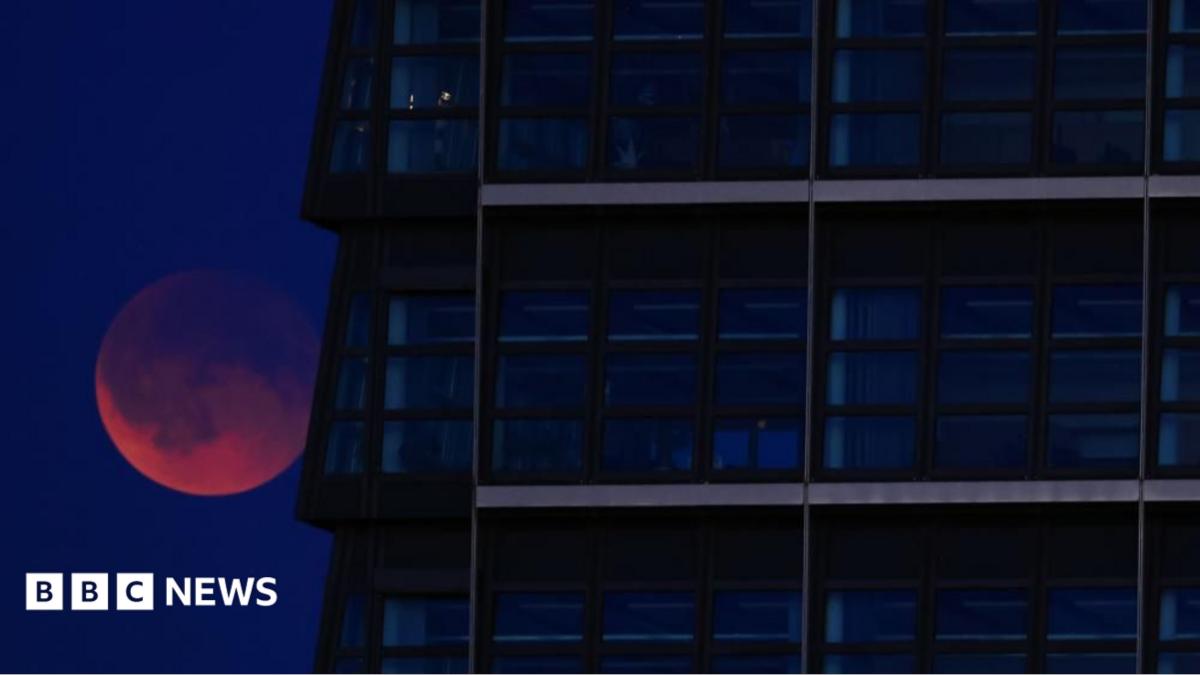
Partial Lunar Eclipse
A partial lunar eclipse is set to occur, offering a spectacular sight for stargazers in Northern Ireland.
Introduction To Lunar Eclipses
A partial lunar eclipse is set to occur, offering a spectacular sight for stargazers in Northern Ireland. The event will take place early on Friday morning, with the moon entering Earth's shadow and potentially turning a reddish color. This phenomenon occurs when the Sun, Earth, and Moon become aligned, allowing the Moon to pass through Earth's shadow. During a partial eclipse, only part of the Moon enters the darkest section of that shadow, known as the umbra.What To Expect During The Eclipse
The first phase of the eclipse begins at 02:23 BST when the Moon enters the lighter outer part of Earth's shadow, known as the penumbra. The much more obvious stage starts at 03:33, as Earth's darker central shadow begins moving across the lunar surface, with maximum eclipse occurring at 05:12. In Belfast, the Moon will be low in the western sky at about nine degrees, with the eclipse ending at 06:34. Viewers will need a clear view towards the west, as buildings, hills, and trees could block the view as the Moon gets lower toward dawn.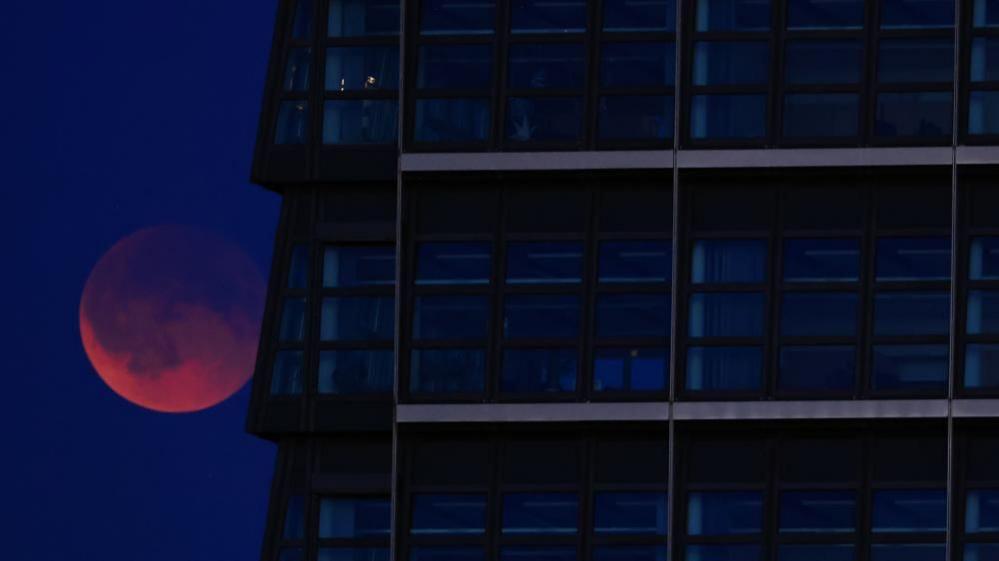
Why The Moon Turns Red
The Moon turns red during a lunar eclipse because of the way Earth's atmosphere absorbs and bends light. Sunlight is made up of a spectrum of colors, with the blue and yellow parts being absorbed by Earth's atmosphere. However, red light is bent, or refracted, by our planet's atmosphere and directed toward the Moon, lighting it up like a blood-red flashlight beam. The exact shade of red depends on what else is going on in Earth's atmosphere at the time, such as volcanic ash and desert dust, which can significantly darken a lunar eclipse.How To Watch The Eclipse
Unlike a solar eclipse, no protective glasses are needed to watch a lunar eclipse - it is safe to look directly at the Moon. No equipment such as binoculars or telescopes are necessary, although they could make viewing the changing colors of the Moon's surface easier to see. A clear sky will be crucial, and the current forecast suggests that western areas will be more favored, with cloudier skies for central and eastern parts.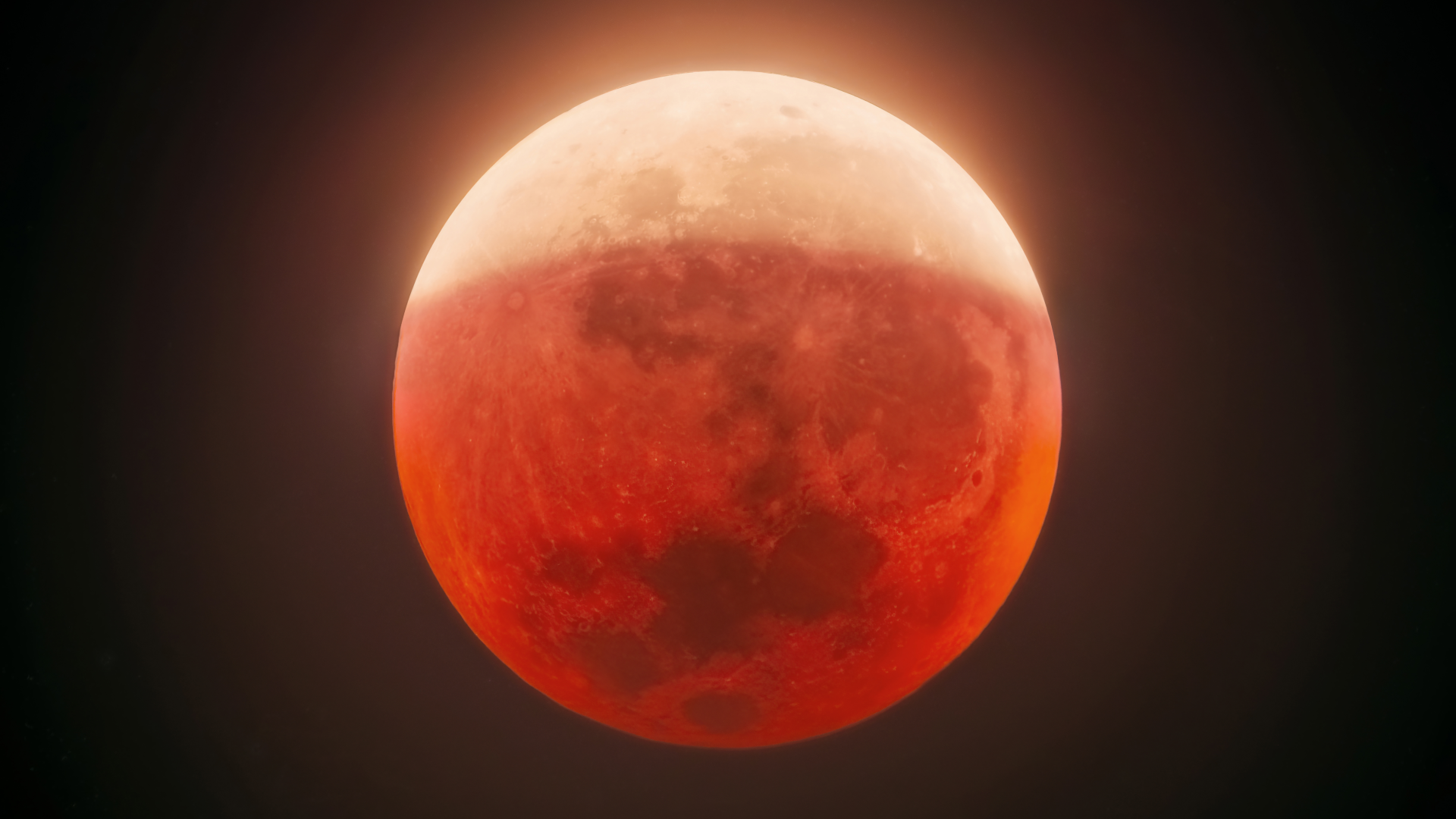
Real-World Implications And Future Outlook
The partial lunar eclipse will be visible to the naked eye, but even better views are possible if you use a telescope or binoculars. If you're looking to photograph the Moon, consider using a camera with good astrophotography capabilities. The next total lunar eclipse will occur on December 31, 2028, but this event will be the deepest lunar eclipse anywhere in the world until then.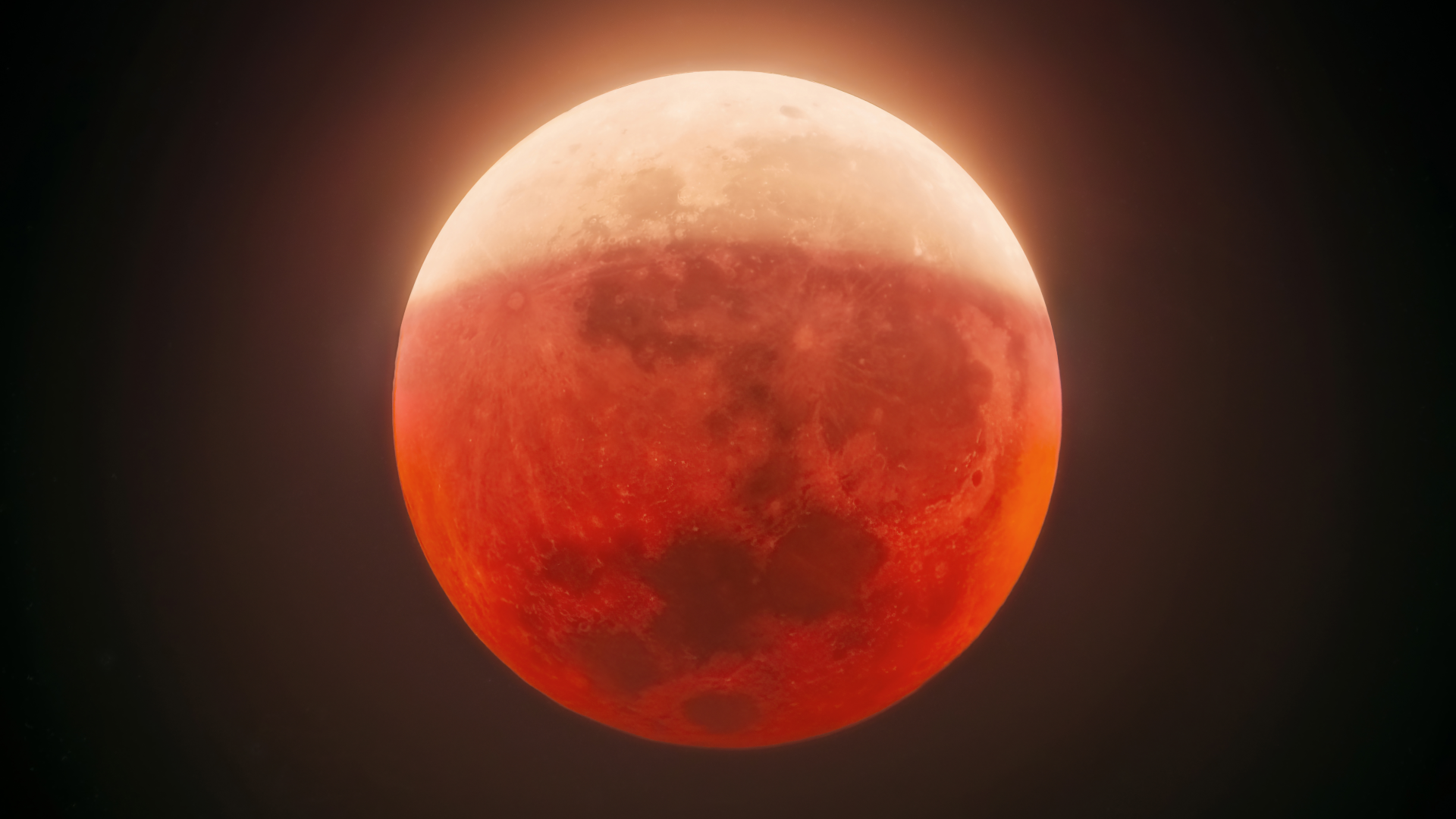
Conclusion And Final Thoughts
In conclusion, the partial lunar eclipse will be a spectacular sight for stargazers in Northern Ireland. With the Moon potentially turning a reddish color, it's an event not to be missed. Make sure to find a clear view towards the west and enjoy the show.Sources
This is an original synthesis by Qivorane based on reporting from the outlets below.