
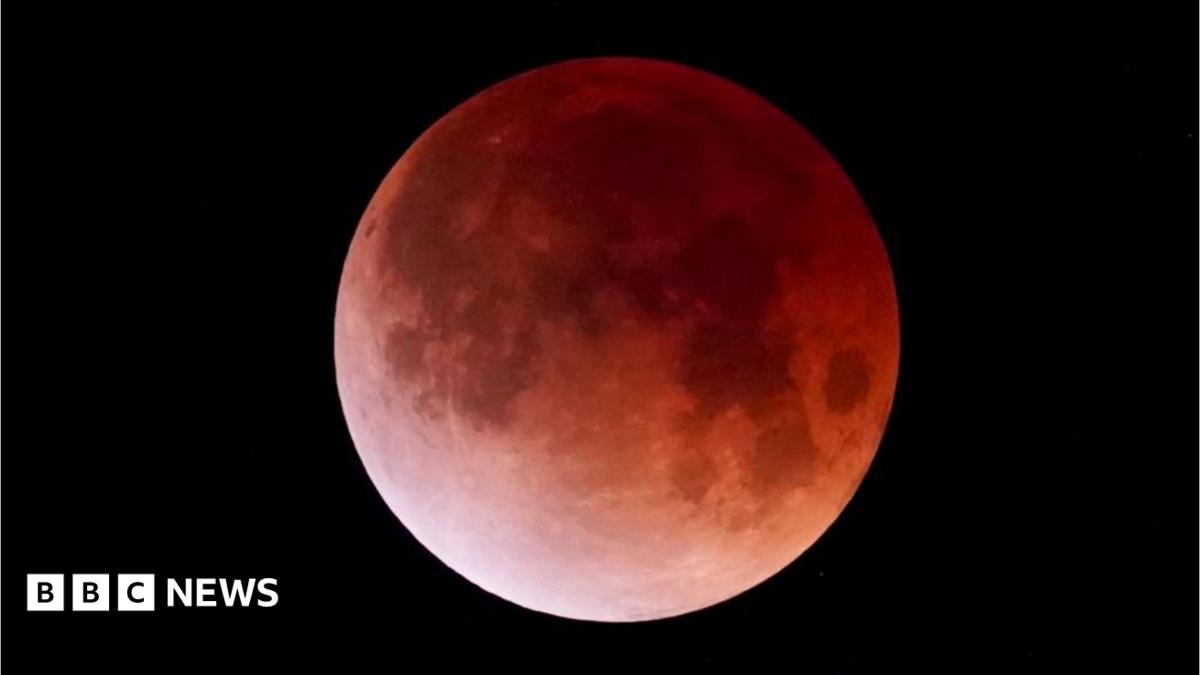
Blood Moon Eclipse
A rare Blood Moon is set to appear in the night sky, with a partial lunar eclipse occurring on Friday.
Introduction To The Blood Moon
A rare Blood Moon is set to appear in the night sky, with a partial lunar eclipse occurring in the early hours of Friday. The Moon will enter Earth's darkest shadow, known as the umbra, at around 03:33 BST, giving it an eerie reddish glow. This phenomenon is also sometimes referred to as the Sturgeon Moon, a name that originates from the lake sturgeon of the Great Lakes and Lake Champlain, where the fish once provided an important seasonal food source.The Science Behind The Blood Moon
The Blood Moon occurs when the Sun, Earth, and Moon align in the night sky, causing the Earth's shadow to fall on the Moon. The lack of light hitting the Moon gives it a reddish hue, which can appear coppery in color. According to NASA, a full moon generally rises around sunset, sets around sunrise, and can appear full for several nights. The Moon will begin to enter the Earth's umbra at around 03:33 BST on Friday morning, with the Blood Moon reaching its most stark across the West at about 05:12 BST.Viewing The Blood Moon
To get a great view of the Blood Moon, it's recommended to head to high ground, such as Troopers Hill, Perrett's Park, or the Clifton Observatory in Bristol. However, the weather forecast for Friday morning is not overly positive, with frequent periods of rain and cloud expected. As Jonathan Hall from the Bath Astronomers Society suggests, "Maybe set the alarm for 3am and just poke your head out the window and see what you think the chances are."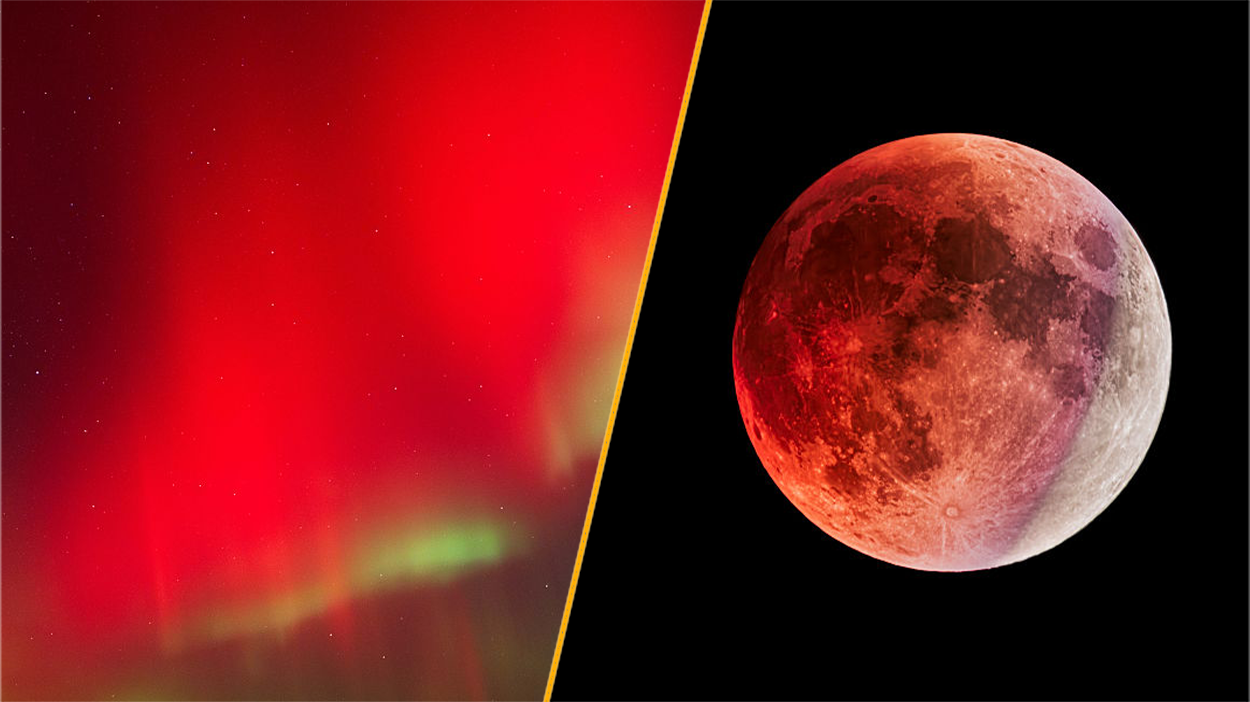
Rare Red Northern Lights
In addition to the Blood Moon, a striking red aurora may be visible to some skywatchers, particularly in Canada and Alaska. The National Oceanic and Atmospheric Administration (NOAA) has issued a moderate (G2) geomagnetic storm warning, which could lead to rare red northern lights. According to Tom Kerss, an astronomer, "The further west you are, the lower the moon will be in the East during the deepest part of the eclipse, where it may overlap with the brightest region of the auroral oval."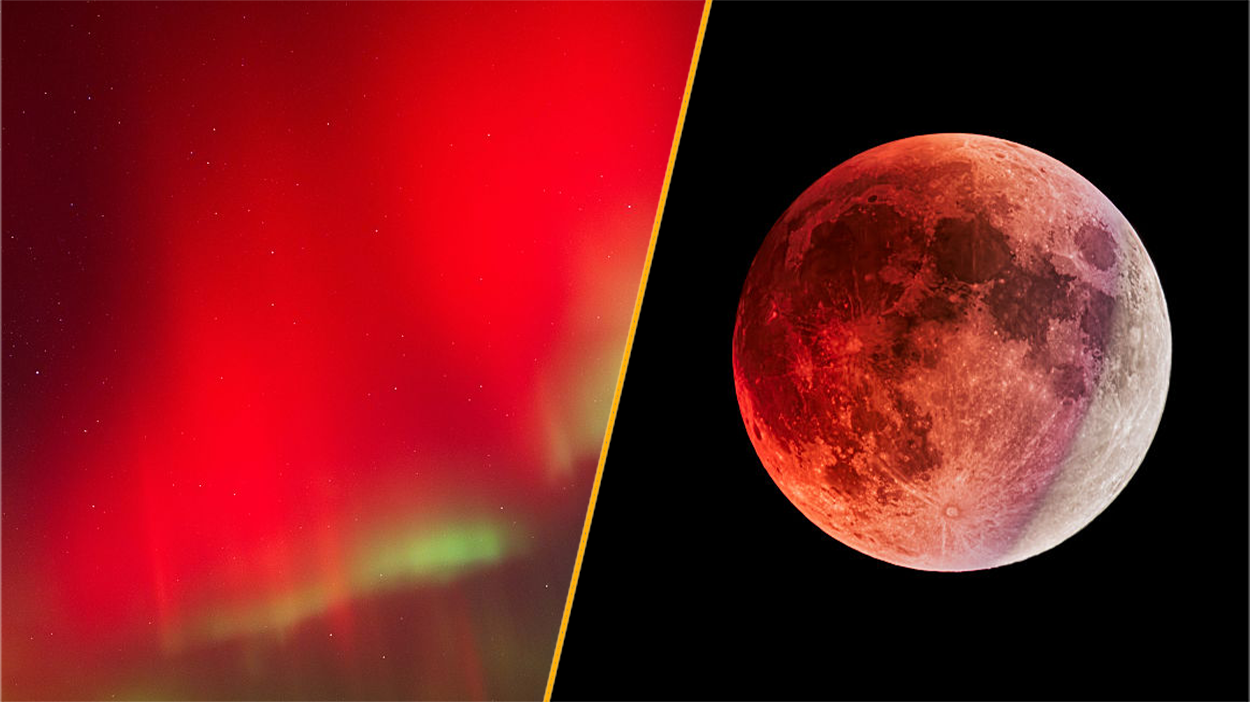
Conclusion And Future Outlook
The Blood Moon and potential red northern lights offer a unique and spectacular viewing opportunity. While the weather forecast may not be ideal, it's worth setting the alarm to catch a glimpse of this rare phenomenon. As the Moon continues to orbit the Earth, we can expect more lunar eclipses in the future, including a total lunar eclipse on December 31, 2028.Sources
This is an original synthesis by Qivorane based on reporting from the outlets below.
- [1] BBC Science & Environment: How can you see Friday's 'Magical' Blood Moon?
- [2] Discover Magazine: The August 2026 Sturgeon Moon Will Turn Coppery During a Partial Lunar Eclipse
- [3] Live Science: Rare red northern lights may be visible alongside red moon during tomorrow night's partial lunar eclipse