
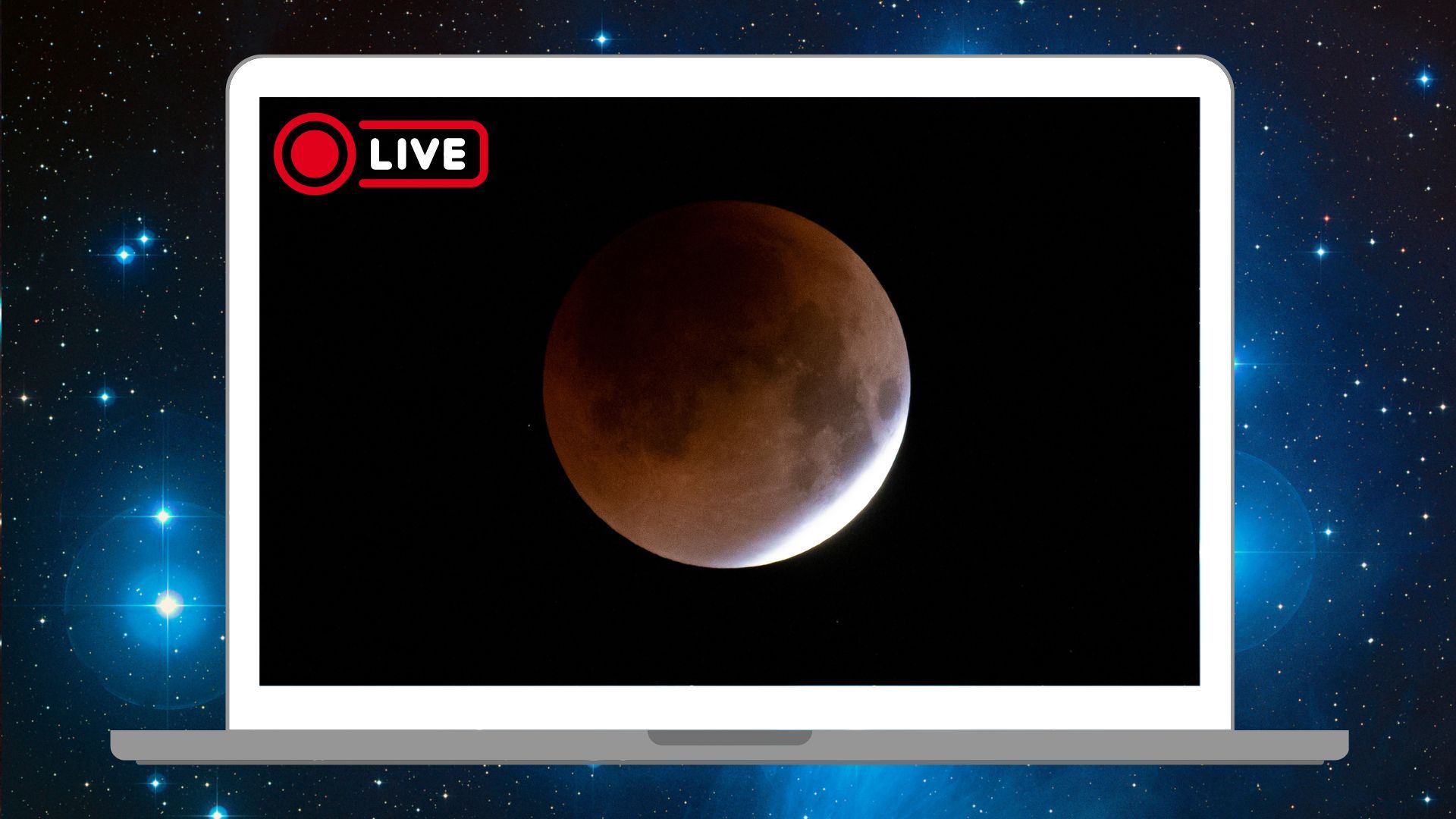
Partial Lunar Eclipse Livestream
Watch the partial lunar eclipse online for free with these livestreams
Introduction To Lunar Eclipses
A partial lunar eclipse is set to occur on August 27-28, and it will be visible from anywhere on the night side of Earth. This celestial event will darken 96% of the full "Sturgeon Moon," making it an exciting opportunity for astronomy enthusiasts and the general public to witness a rare phenomenon. The eclipse will be simultaneously visible to everyone on the night side of the Earth, but in case of bad weather or the moon being below the horizon, there are alternative ways to experience this event.
Free Livestreams Of The Eclipse
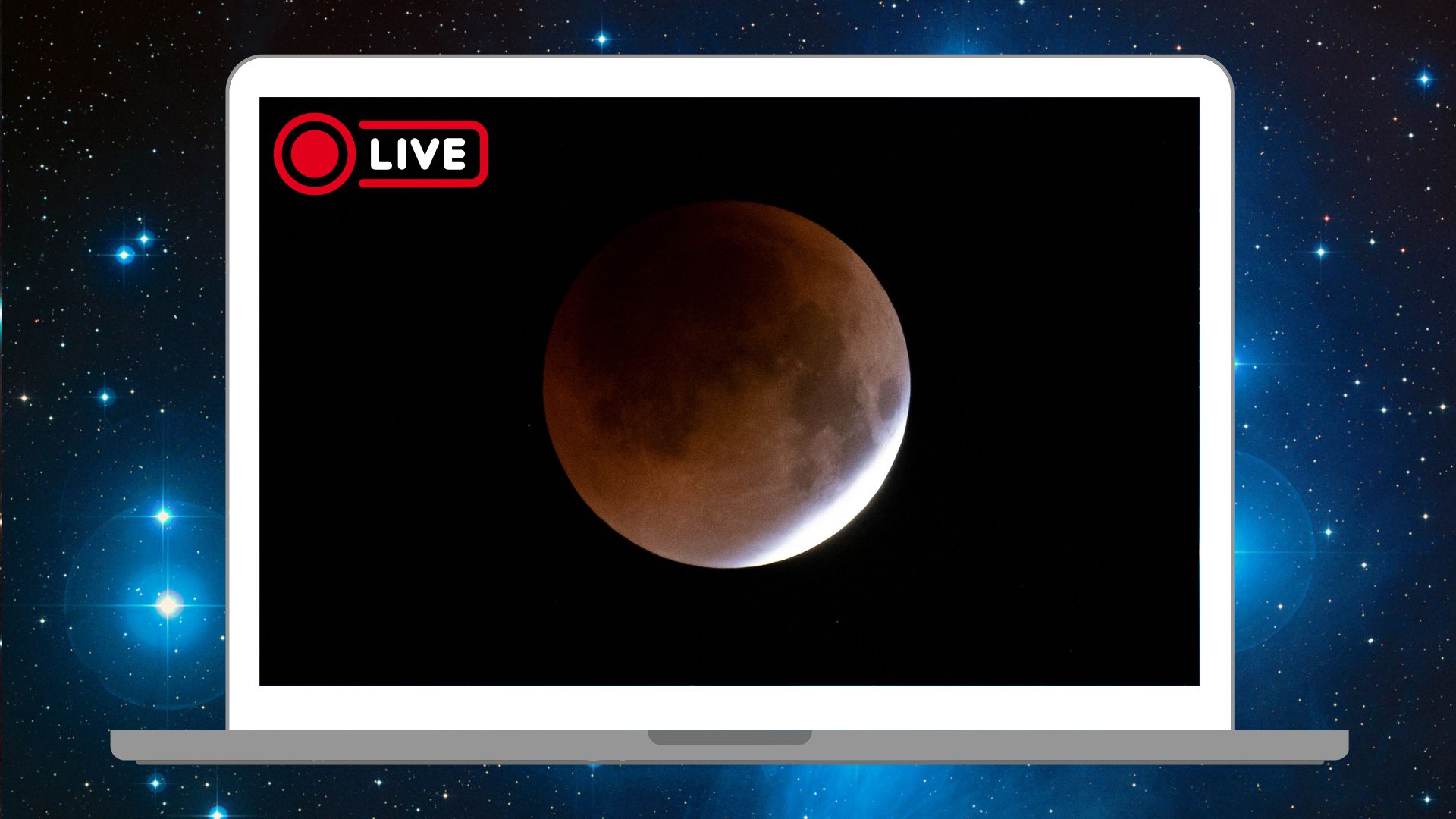
Several organizations will be hosting free livestreams of the partial lunar eclipse on their YouTube channels. Time and Date will start their livestream at 10 p.m. EDT on August 27, featuring real-time views of the Sturgeon Moon as Earth's shadow darkens its surface. The stream will be hosted by experienced astrophysicist Graham Jones and journalist Anne Buckle, who will provide expert commentary and scientific insights throughout the event. The Griffith Observatory in Los Angeles will also host a livestream, starting at 10:25 p.m. EDT on August 27, providing live views of the moon as it turns a deep crimson at the peak of the lunar eclipse.
Additional Livestreams And Resources
In addition to the Time and Date and Griffith Observatory livestreams, the Virtual Telescope Project will also be hosting a livestream of the lunar eclipse. Their stream will start at 9:30 p.m. EDT on August 27, featuring live views of the Sturgeon Moon captured by telescopes in Manciano, Italy, and Chile. The stream will be accompanied by commentary and insights from astrophysicist and astronomer Gianluca Masi. For those who want to stay up-to-date with the latest eclipse news, there will also be a live blog available, providing information on what to expect from each stage of the eclipse, as well as tips on how to capture the moon using photography.
Real-World Implications And Future Outlook
The partial lunar eclipse is not only an exciting event for astronomy enthusiasts, but it also provides an opportunity for scientists to study the Earth's shadow and its effects on the moon. By analyzing the eclipse, scientists can gain a better understanding of the Earth's atmosphere and the behavior of the moon during these events. Furthermore, the livestreams and online resources available for this event make it accessible to a wide audience, promoting interest and education in astronomy and space science.
Conclusion And Further Resources
In conclusion, the partial lunar eclipse on August 27-28 is a rare and exciting event that can be experienced by people all over the world. With the availability of free livestreams and online resources, anyone can witness and learn about this phenomenon. For those who want to share their own astrophotography or learn more about the eclipse, there are also opportunities to submit photos and read articles on the topic.
Sources
This is an original synthesis by Qivorane based on reporting from the outlets below.