

Galactic Gems Shine
NASA's Chandra X-ray Observatory releases new gallery of galaxies, showcasing diversity and complexity
Introduction To Galactic Gems
Galaxies are like cosmic gems, each with unique characteristics that make them distinct. A new gallery released from NASA's Chandra X-ray Observatory and other telescopes displays a collection of galactic images that showcase this variety. Astronomers put galaxies into three main categories: spirals like our own Milky Way, with arms emanating from their cores; ellipticals that are older and likely the result of mergers; and irregulars that can encompass a wide range of galactic phenomena.Spiral And Star-Forming Engines
Spiral and star-forming engines are a key area of study in the new galactic gallery. Face-on spiral galaxies like Messier 33 and NGC 3938 offer unobstructed views of places where energetic pairs of stars and cosmic explosions live along spiral arms. Barred spirals like NGC 1672 and NGC 1385 show how central bar-shaped collections of stars, gas, and dust funnel fuel inward to ignite bursts of star formation. For example, a barred spiral galaxy featuring a prominent central bar or bridge of stars that channels gas toward its core, with Chandra X-rays highlighting growing black holes along the bar and core, merged with Hubble optical light and JWST infrared dust filaments.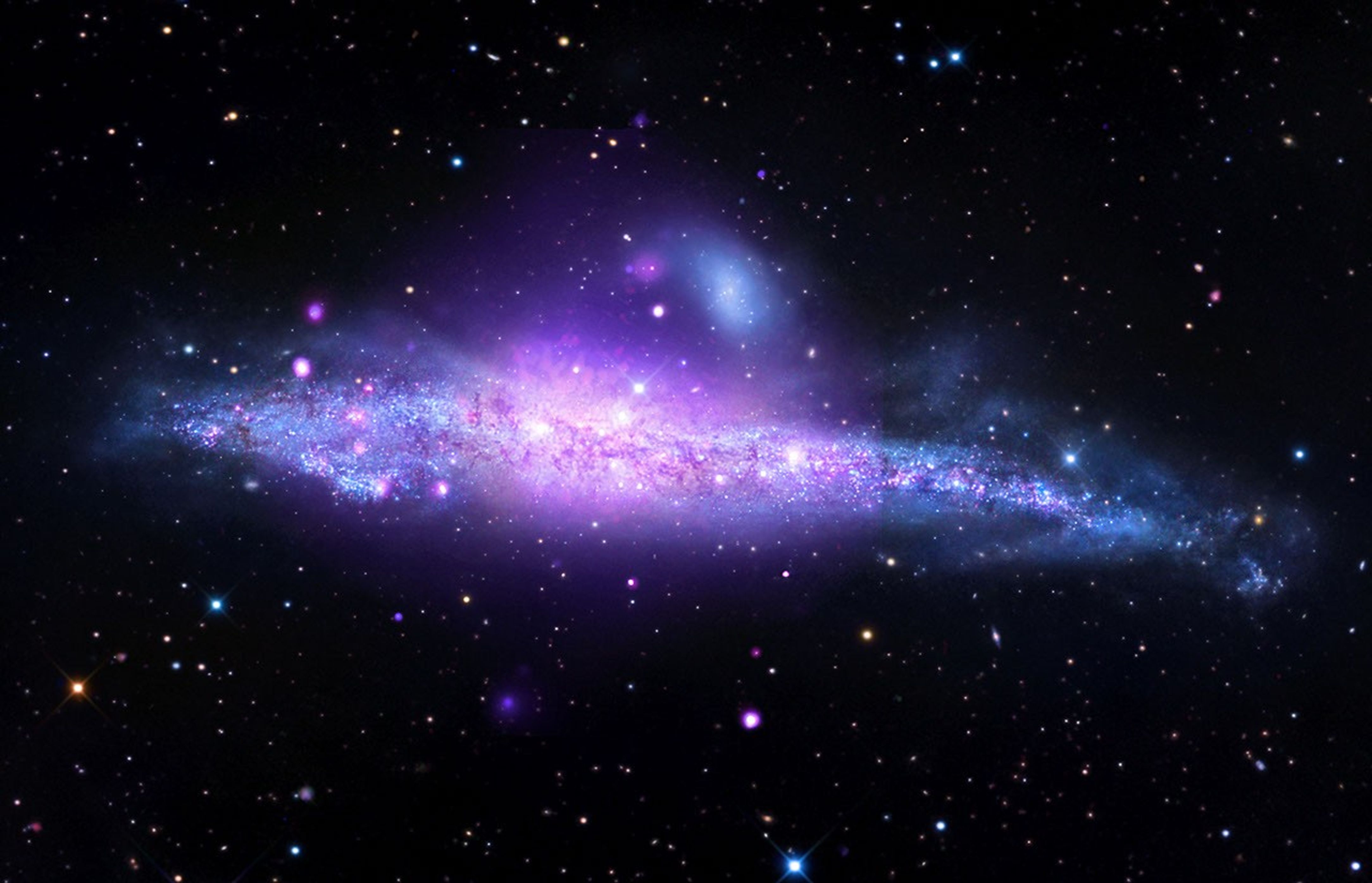
Active Galactic Nuclei And Black Hole Outflows
Active galactic nuclei, black hole outflows, and collisions are also highlighted in the gallery. Powerful, growing black holes in the cores of their host galaxies send energy outward in outbursts and jets that impact entire galaxies. For instance, II Zw 096, a chaotic, dust-shrouded system of merging galaxies forming stars at a furious rate, with Chandra X-ray data pinpointing powerful black hole activity and hot gas, while Hubble optical and Webb infrared data illuminate vast stellar nurseries hidden behind interstellar dust.
Galactic Evolution And The Role Of X-Rays
X-rays play a critical role in the study of galaxies, revealing unique and important information about these cosmic building blocks. Chandra exposes gas that has been superheated to millions of degrees by winds from massive stars, the outflows from supermassive black holes, and the debris from exploded stars. These are key sources of elements in our bodies, in the air we breathe, and on the planet we live on. For example, M33, a nearby, face-on spiral galaxy, whose clear spiral arms offer an unhindered view of its stellar engine, with X-ray data from Chandra highlighting point sources like neutron stars and stellar-mass black holes.
Conclusion And Future Outlook
The new galactic gallery from NASA's Chandra X-ray Observatory provides a unique perspective on the diversity of galaxies in the universe. By studying these galactic gems, astronomers can gain insights into the history and evolution of our own galaxy, the Milky Way. The combination of X-ray data from Chandra with data from other telescopes offers a more complete picture of how galaxies live, interact, and evolve. As researchers continue to explore the universe, the study of galaxies will remain a vital area of research, shedding light on the mysteries of the cosmos and our place within it.Sources
This is an original synthesis by Qivorane based on reporting from the outlets below.