
Galaxy's Supermassive Black Hole Turns Off
Astronomers discover dying radio galaxies, shedding light on galaxy life cycles
Introduction To Dying Radio Galaxies
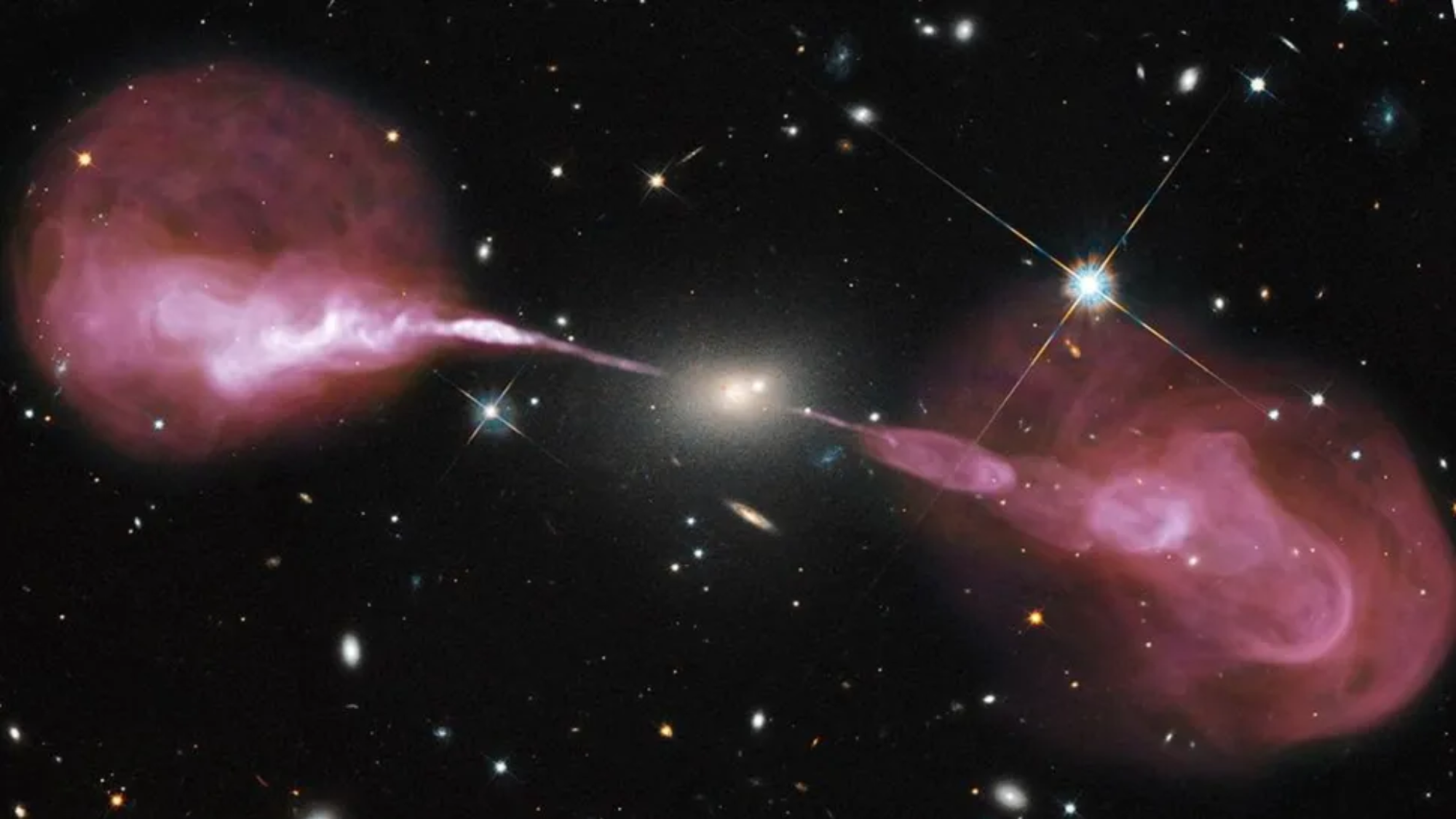
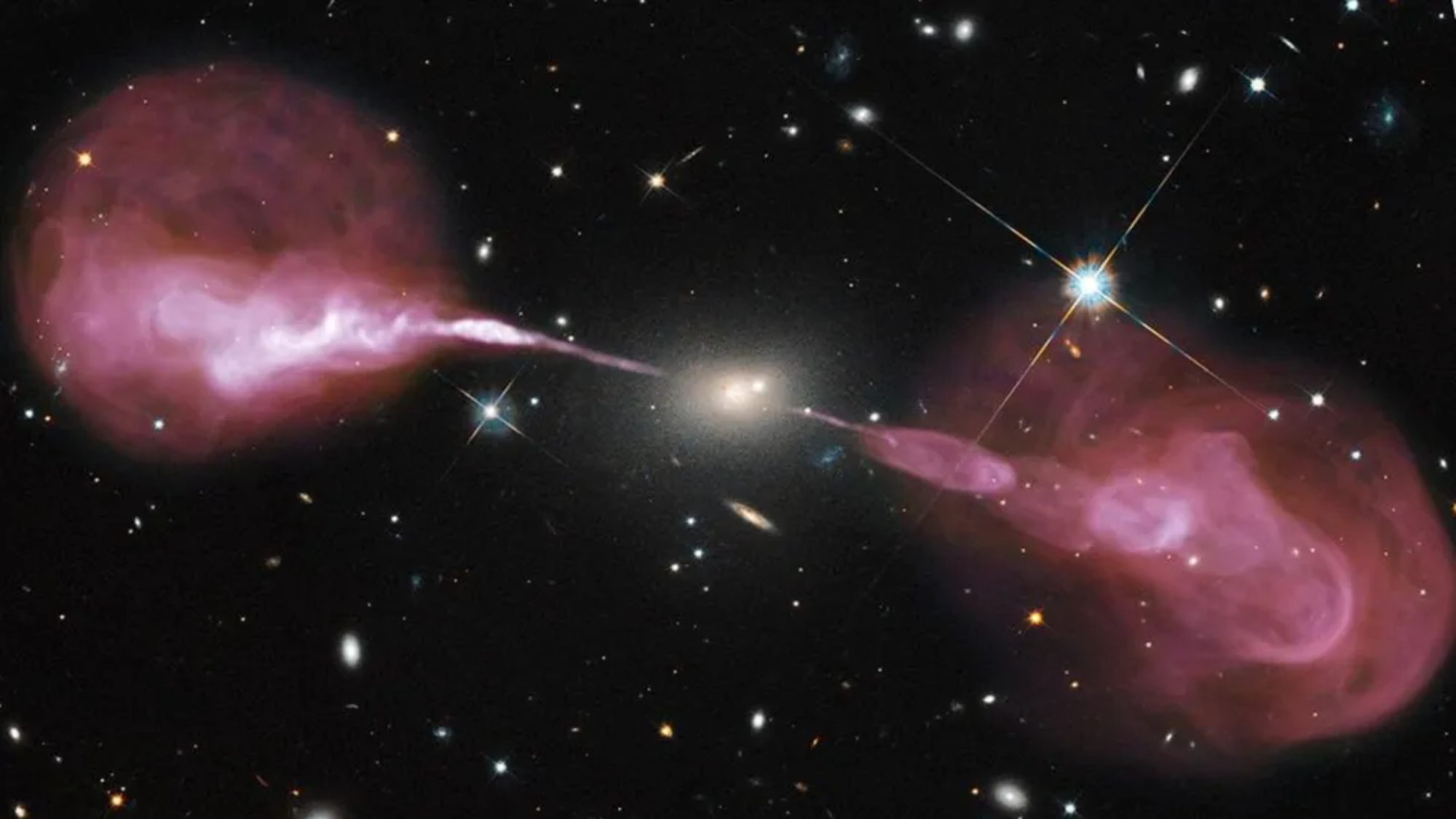
Astronomers have made a groundbreaking discovery that sheds light on the life cycles of galaxies, specifically what happens when a galaxy's supermassive black hole turns off. The discovery of a previously unknown population of galaxies with fading radio jets has provided valuable insights into the final stages of a galaxy's evolution. These galaxies, known as "radio galaxies," are characterized by their bright radio wave emissions and vast lobes of gas that can stretch out for millions of light-years.
Understanding Radio Galaxies And Their Life Cycles
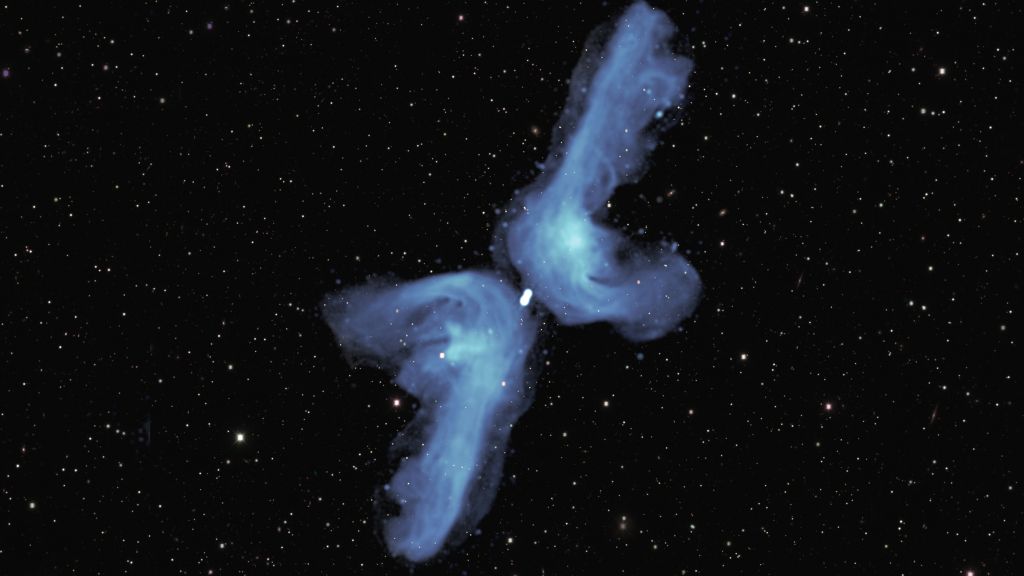
Radio galaxies are powered by supermassive black holes located at their centers, which drive jets of plasma that inflate the large radio lobes. However, when these black holes stop feeding, the jets switch off, and the radio lobes begin to fade. This final stage is known as the "remnant" phase, where the galaxy is no longer actively producing new radio emissions. The researchers behind this study focused on a region of the sky known as the XMM-Newton Large-Scale Structure (XMM-LSS) field, where they identified 14 candidates for faded or remnant radio galaxies.
Methodology And Key Findings
The team used a combination of powerful radio telescopes, including the MeerKAT radio telescope, the Jansky Very Large Array, and the LOFAR network, to study the radio emissions from the lobes of the candidate galaxies. By analyzing the changes in the radio emissions as the particles within the lobes "age" and lose energy, the researchers were able to determine that 12 of the 14 candidates were indeed remnant radio galaxies. The study revealed that these remnants have been fading for between 8 million and 42 million years, with an average "fade age" of 12 million years. This is younger than previously measured ages for radio galaxy remnants, suggesting that astronomers may have been missing a population of short-lived remnants.
Implications And Future Outlook
The discovery of these remnant radio galaxies has significant implications for our understanding of the life cycles of galaxies and the role of supermassive black holes in powering their evolution. The fact that the remnants exist in a wide range of evolutionary stages, with some having only recently switched off their jets, while others are more evolved, provides valuable insights into the processes that govern the final stages of a galaxy's life. The study's findings represent a major step forward in understanding the life cycles of radio galaxies and the functioning of supermassive black holes as the engines powering their jets.
Conclusion And Future Research Directions
The discovery of these remnant radio galaxies opens up new avenues for research into the life cycles of galaxies and the role of supermassive black holes in their evolution. Further studies of these remnants and their properties will provide valuable insights into the processes that govern the final stages of a galaxy's life. The study's findings also highlight the importance of continued observations and research into the universe's most powerful and mysterious objects – supermassive black holes.
Sources
This is an original synthesis by Qivorane based on reporting from the outlets below.
- [1] Space.com: What happens when a galaxy's supermassive black hole turns off? These dying radio galaxies could show us