
Partial Lunar Eclipse Aug 27-28
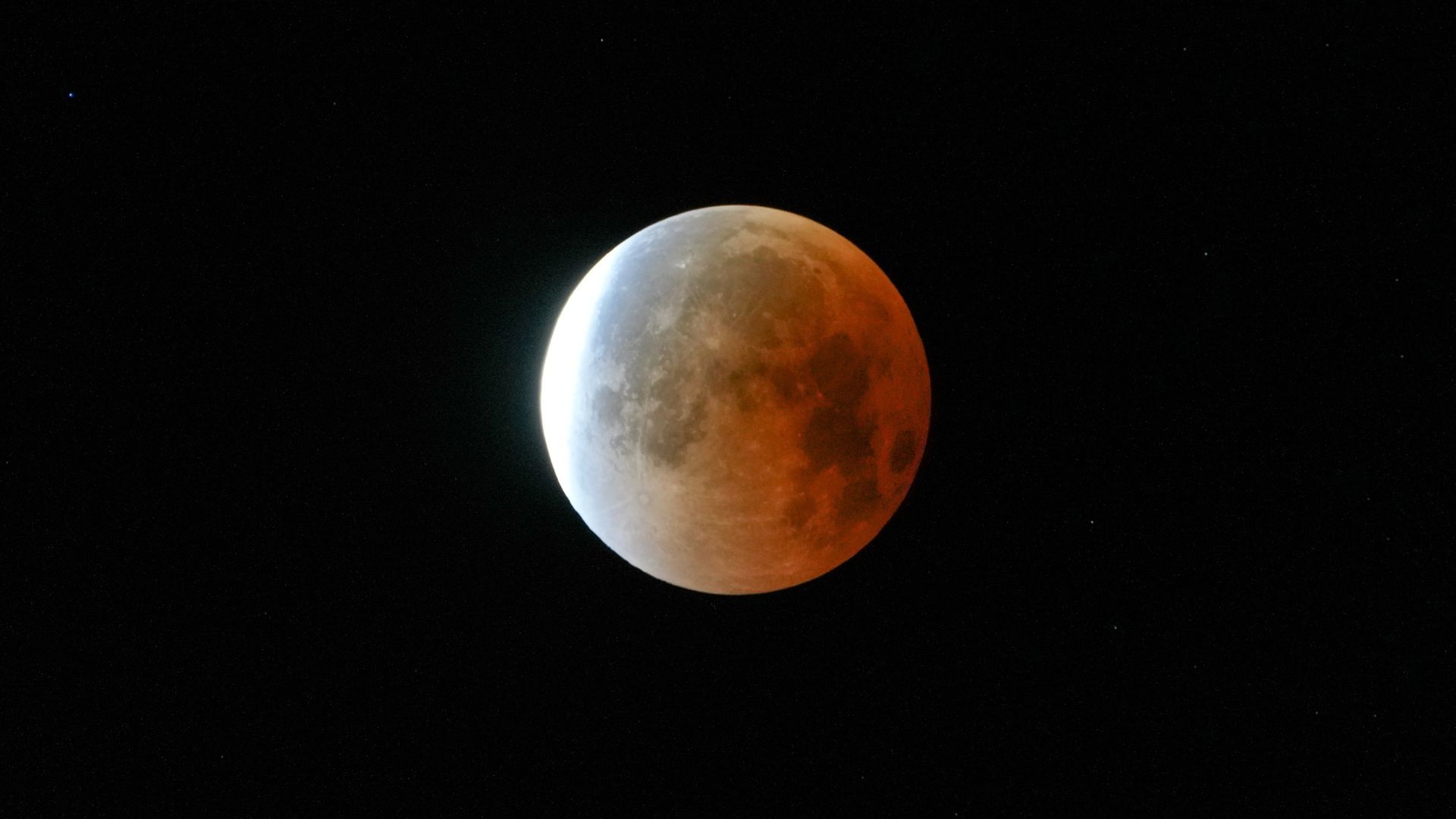
Witness the partial lunar eclipse on Aug 27-28 as Earth's shadow swallows 96% of the moon's surface
Introduction To Lunar Eclipses
A partial lunar eclipse is set to occur on August 27-28, where Earth's colossal shadow will swallow 96% of the moon's surface. This event is the second part of a dramatic two-part show, following the total solar eclipse that took place on August 12. Eclipses always come in pairs, but the stages of a lunar eclipse are distinct from its solar equivalent. One major advantage of a lunar eclipse is that each stage unfolds simultaneously for everyone on the night side of Earth, making it a unique experience for billions of people.
Understanding Earth's Shadow
Earth's shadow is divided into two concentric cones that are only visible during a lunar eclipse. The outer penumbral cone casts a soft, wide shadow, while the inner umbra reveals the distinct curve of Earth's silhouette. The interaction between these two shadows creates the different stages of the lunar eclipse. The penumbral shadow is subtle and may be difficult to notice, while the umbral shadow is more pronounced and will appear as a dark semicircle on the moon's surface.
The Five Stages Of The Partial Lunar Eclipse
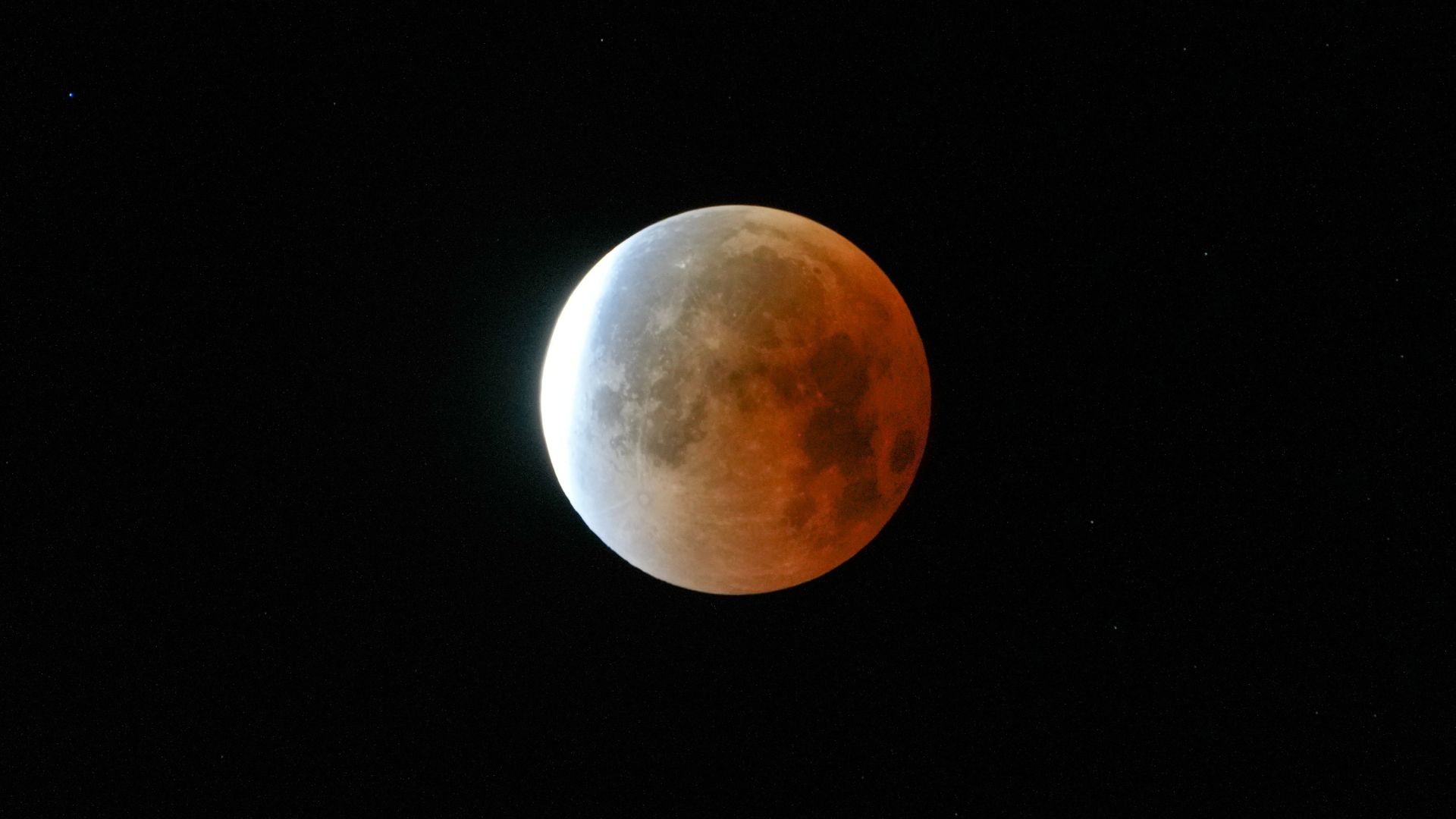
The partial lunar eclipse on August 27-28 will consist of five key stages. Stage 1 begins at 9:23 p.m. EDT on August 27, as Earth's outer penumbral shadow starts to cover the moon's surface. This stage is characterized by a subtle darkening of the lunar disk. Stage 2 commences at 10:33 EDT on August 27, when Earth's inner umbral shadow takes its first "bite" out of the moon, marking the start of the partial phase. The umbral shadow will appear as a small semicircle of shadow close to the dark expanses of Oceanus Procellarum and Mare Humorum on the moon's southwestern edge.
Maximum Eclipse And The Red Hue
The eclipse will reach its peak at 12:12 a.m. EDT on August 28, as 96% of the lunar disk is smothered in Earth's umbral shadow. At this time, a subtle red hue may infuse the moon, as sunlight filtered through Earth's atmosphere is refracted onto its surface. This phenomenon is often referred to as a "Blood Moon." The red hue is caused by the scattering of light as it passes through Earth's atmosphere, which bends the shorter wavelengths of light, such as blue and violet, more than the longer wavelengths, like red and orange.
Viewing The Lunar Eclipse
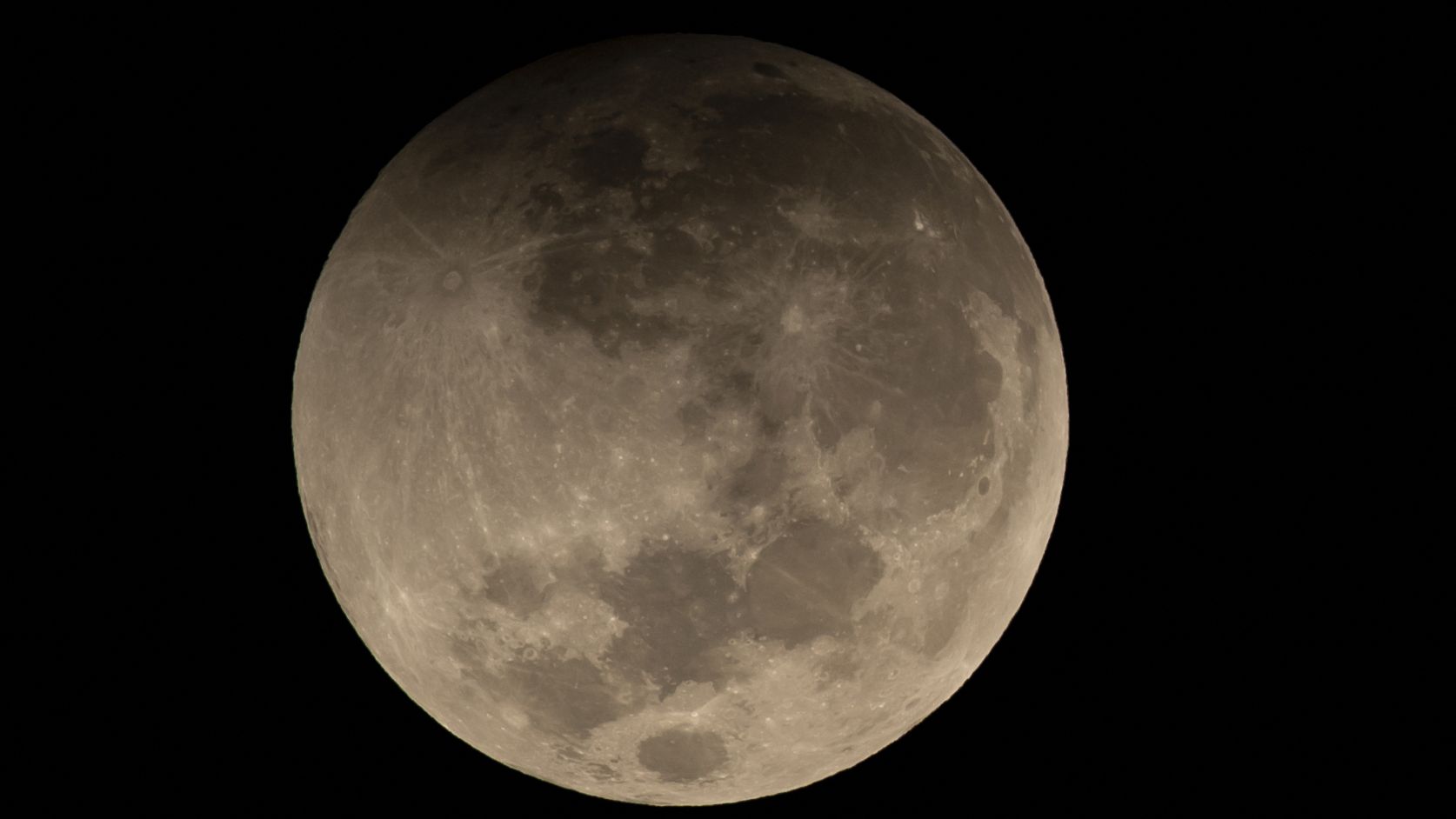
Lunar eclipses are completely safe to view with the naked eye, or even through a pair of binoculars or a telescope. This makes them accessible to people of all ages and backgrounds. The use of a telescope will offer a magnified view of the moon as Earth's shadow sweeps across its cratered landscape. The local time for each stage of the eclipse will differ based on location, but the event will unfold simultaneously for everyone on the night side of Earth.
Sources
This is an original synthesis by Qivorane based on reporting from the outlets below.
- [1] Space.com: What to expect from each stage of the partial lunar eclipse on Aug. 27-28