
NASA's Roman Space Telescope Launch
NASA's Roman Space Telescope is set to launch, revolutionizing our understanding of the universe.
Introduction to the Nancy Grace Roman Space Telescope
The countdown has begun for the launch of the Nancy Grace Roman Space Telescope, NASA's latest flagship observatory. Scheduled to launch on Sunday, August 30th, from Kennedy Space Center in Florida, the telescope is set to revolutionize our understanding of the universe. The Roman Space Telescope is named after pioneering scientist Nancy Grace Roman, who served as NASA's first chief astronomer between 1960 and 1979. With its 2.4-meter mirror and advanced instruments, the telescope will be able to perform broad surveys of the universe, study large numbers of galaxies and stars at the same time, and capture visible-to-near-infrared images of the universe that are 50 times wider than the field of view on the James Webb Space Telescope (JWST).
Launch Preparations and Challenges
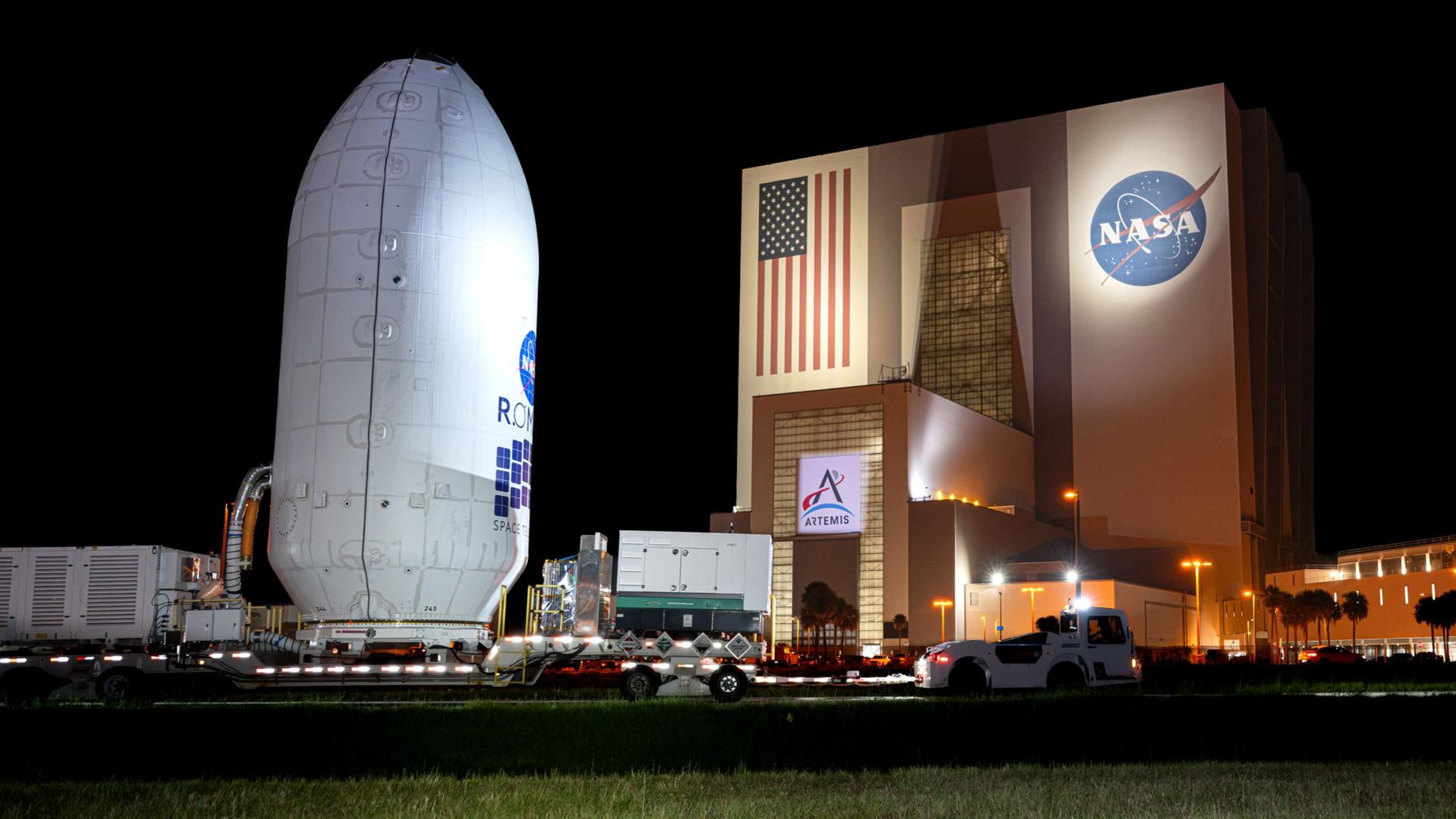
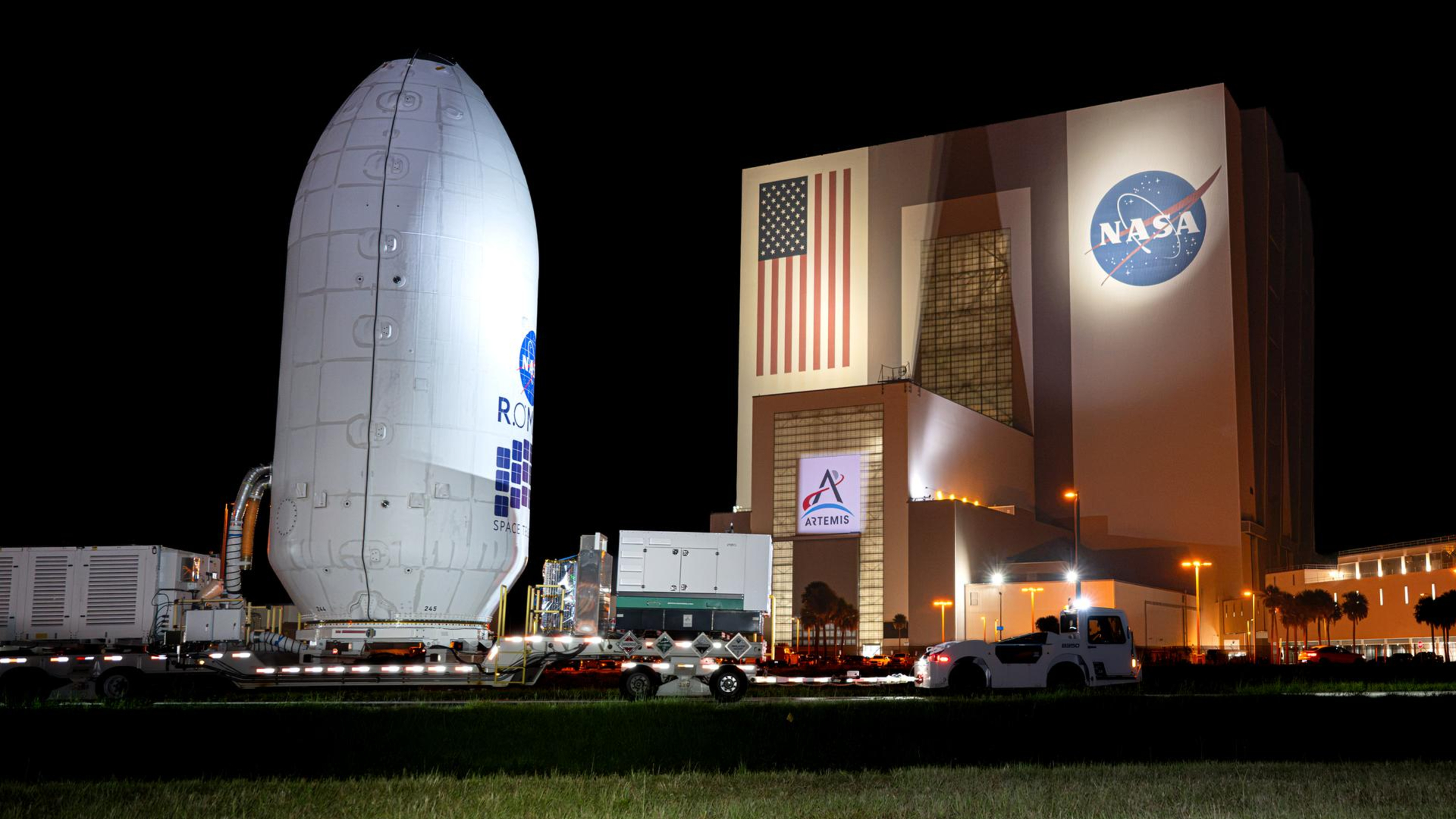
The Roman Space Telescope has already been loaded into a nose cone that will sit atop a SpaceX Falcon Heavy rocket. The payload is scheduled to lift off from Launch Complex 39A at NASA's Kennedy Space Center in Florida. However, the launch is not without its challenges. As of Thursday morning, August 27, the National Weather Service forecasts a 50% chance of thunderstorms at Kennedy Space Center on Sunday, which could delay the launch. If that happens, a second launch window is available on Monday, August 31, at 7:22 a.m. EDT. The telescope's launch was also threatened last year when President Trump's leaked budget proposal for fiscal year 2026 suggested canceling the mission. However, the administration's official budget request later allocated $156.6 million to Roman's continued development in FY26, saving the project.
Scientific Objectives and Capabilities
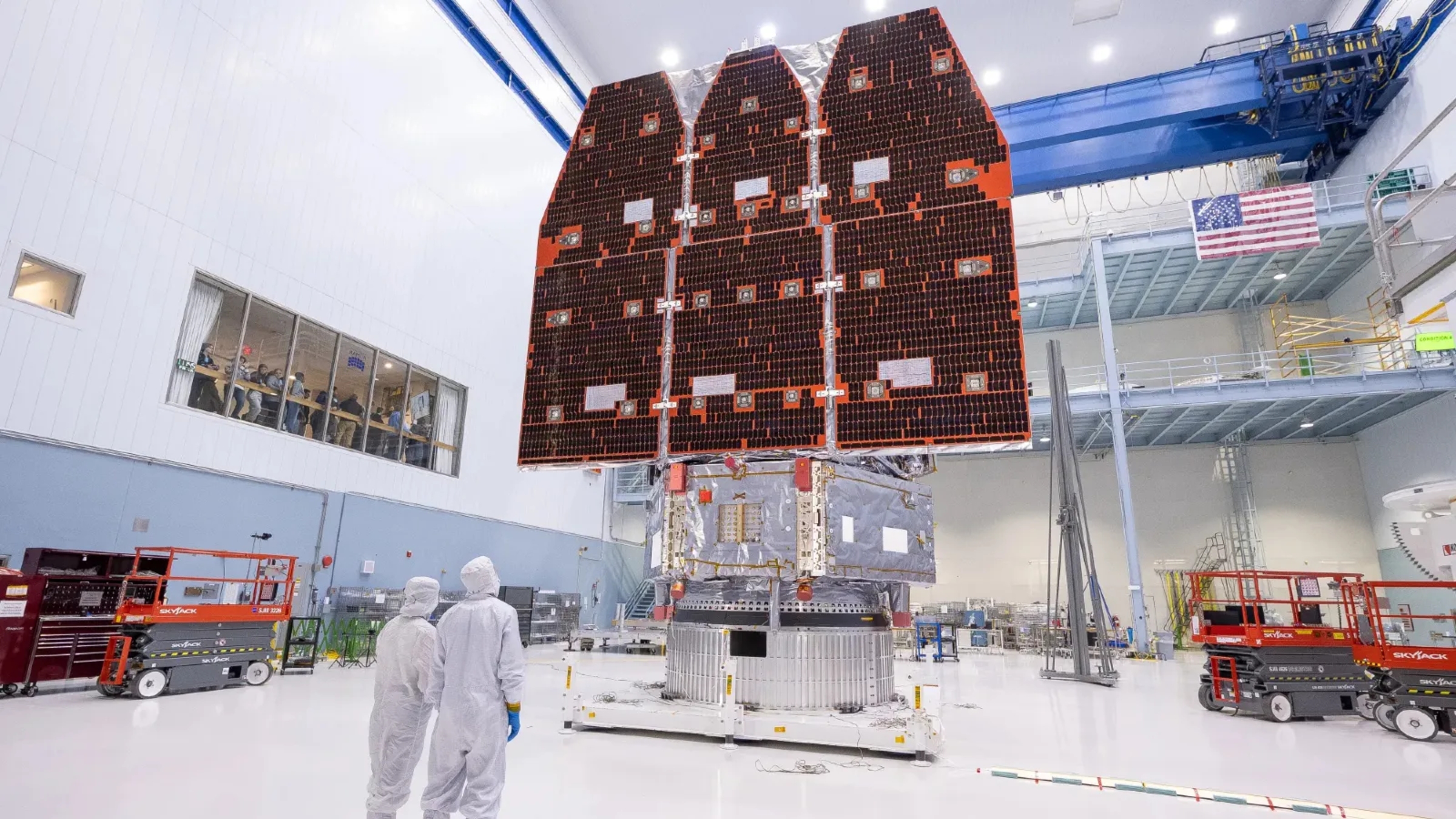
The Roman Space Telescope has several scientific objectives, including studying dark energy and dark matter, discovering exoplanets, and mapping the formation and evolution of galaxies. The telescope's advanced instruments, including a 300-megapixel infrared Wide-Field Instrument and a Coronagraph Instrument, will allow it to perform breakthrough studies of exoplanets and capture high-contrast images of the universe. The telescope's mirror will also enable it to see about 100 times more of the sky than Hubble or JWST in a single exposure, letting it study large numbers of galaxies and stars at the same time. NASA officials expect the Roman Space Telescope to produce 1.4 terabytes of science data per day and beam back around 500 terabytes of data per year, which is on par with the total amount of data that Hubble has produced across more than 35 years of operations.
Research Programs and Data Management
NASA has selected 118 programs to use the Roman Space Telescope, including projects to study little red dots (LRDs), mysterious objects seen in the early universe that could be exotic black hole stars. The telescope's wide, deep view will allow it to hunt for these objects in an entirely new way. Other programs will focus on investigating the stellar populations of nearby galaxies, scouring the cosmos for newborn black holes, and studying the influence of dark matter on galaxy formation and evolution. The Roman Space Telescope's data management will be a significant challenge, with the telescope producing vast amounts of data that will need to be processed and analyzed.
Conclusion and Future Outlook
The Nancy Grace Roman Space Telescope is set to revolutionize our understanding of the universe, with its advanced instruments and capabilities allowing it to perform breakthrough studies of exoplanets, dark energy, and dark matter. The telescope's launch is a significant milestone in the history of space exploration, and its discoveries are expected to have a major impact on our understanding of the universe. With its expected lifespan of at least five years, the Roman Space Telescope will be a valuable tool for scientists and researchers, providing a wealth of new data and insights that will help us better understand the universe and its many mysteries.
Sources
This is an original synthesis by Qivorane based on reporting from the outlets below.
- [1] Nautilus: NASA Has Begun the Countdown to the Launch of the Nancy Grace Roman Space Telescope
- [2] Live Science: NASA's Nancy Grace Roman Space Telescope is set to launch this weekend. When will we see its first photos?
- [3] Space.com: Trump tried to scrap NASA's Roman Space Telescope last year. Now it's ready to launch
- [4] Scientific American: NASA’s Roman Space Telescope will rewrite how we study the universe
- [5] NASA Breaking News: Roman Space Telescope Travels to SpaceX Hangar