
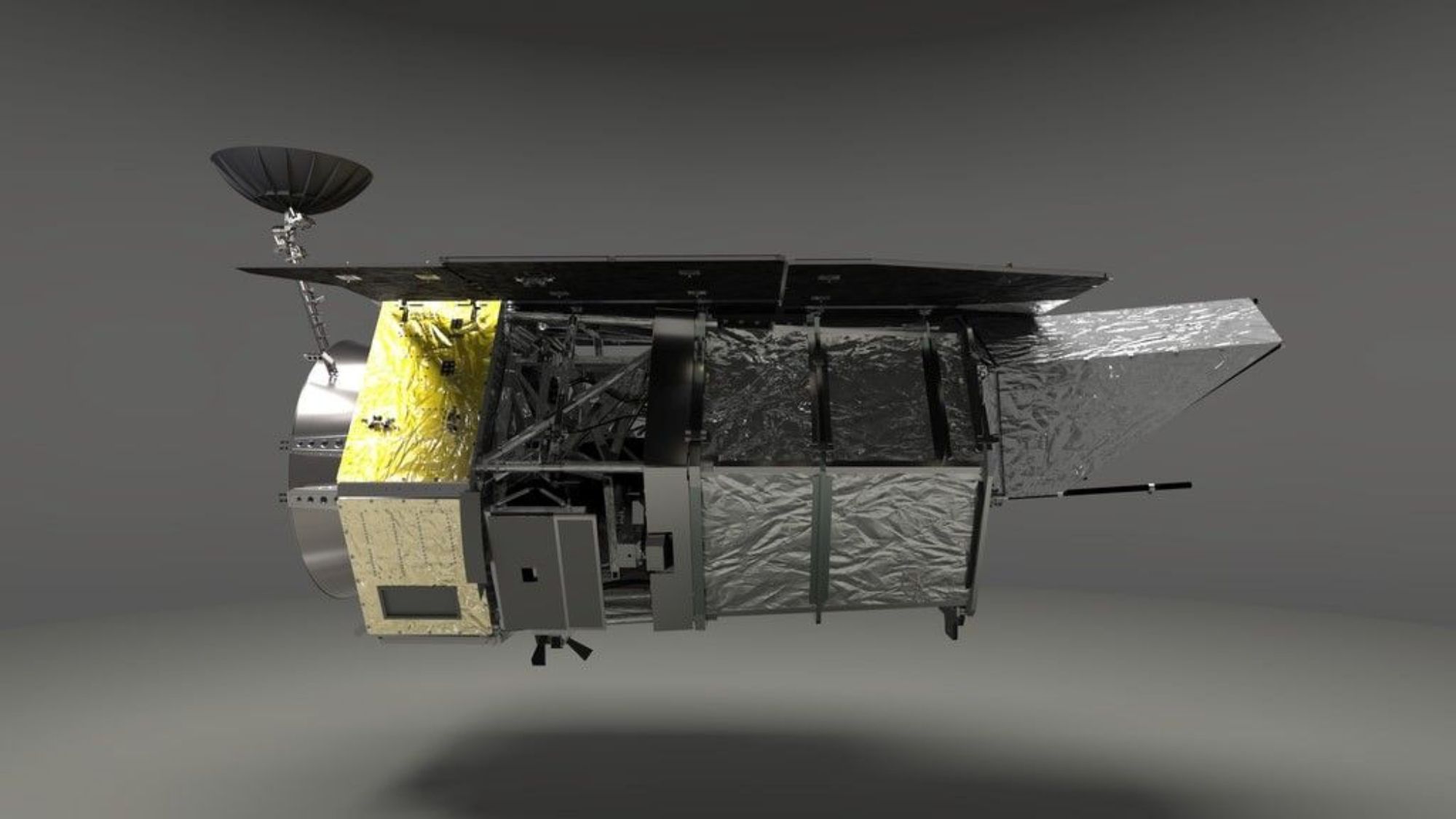
Nancy Grace Roman Space Telescope
NASA's next major space observatory, launching Aug 30, to explore the cosmos
Introduction To The Nancy Grace Roman Space Telescope
The Nancy Grace Roman Space Telescope, set to launch on August 30, is NASA's next major space observatory. This telescope is designed to capture a vast portion of the sky, with a field of view 100 times larger than the Hubble Space Telescope. The Roman Space Telescope will be able to map roughly 20 billion stars, measure light from more than a billion galaxies, and potentially discover as many as 200,000 new exoplanets.Design And Instruments Of The Roman Space Telescope
The Roman Space Telescope has a unique design, with a nose-like front end housing the telescope, a pair of flat solar panels stretched out to either side, and an antenna perched on top. The telescope itself is equipped with a primary mirror 7.9 feet across and a smaller secondary mirror that sits in its front. Both mirrors are kept cold to prevent heat from interfering with observations. The Deployable Aperture Cover, or DAC, is a hat-like shade that blocks stray light from entering the telescope barrel, helping to protect the telescope's sensitive optics.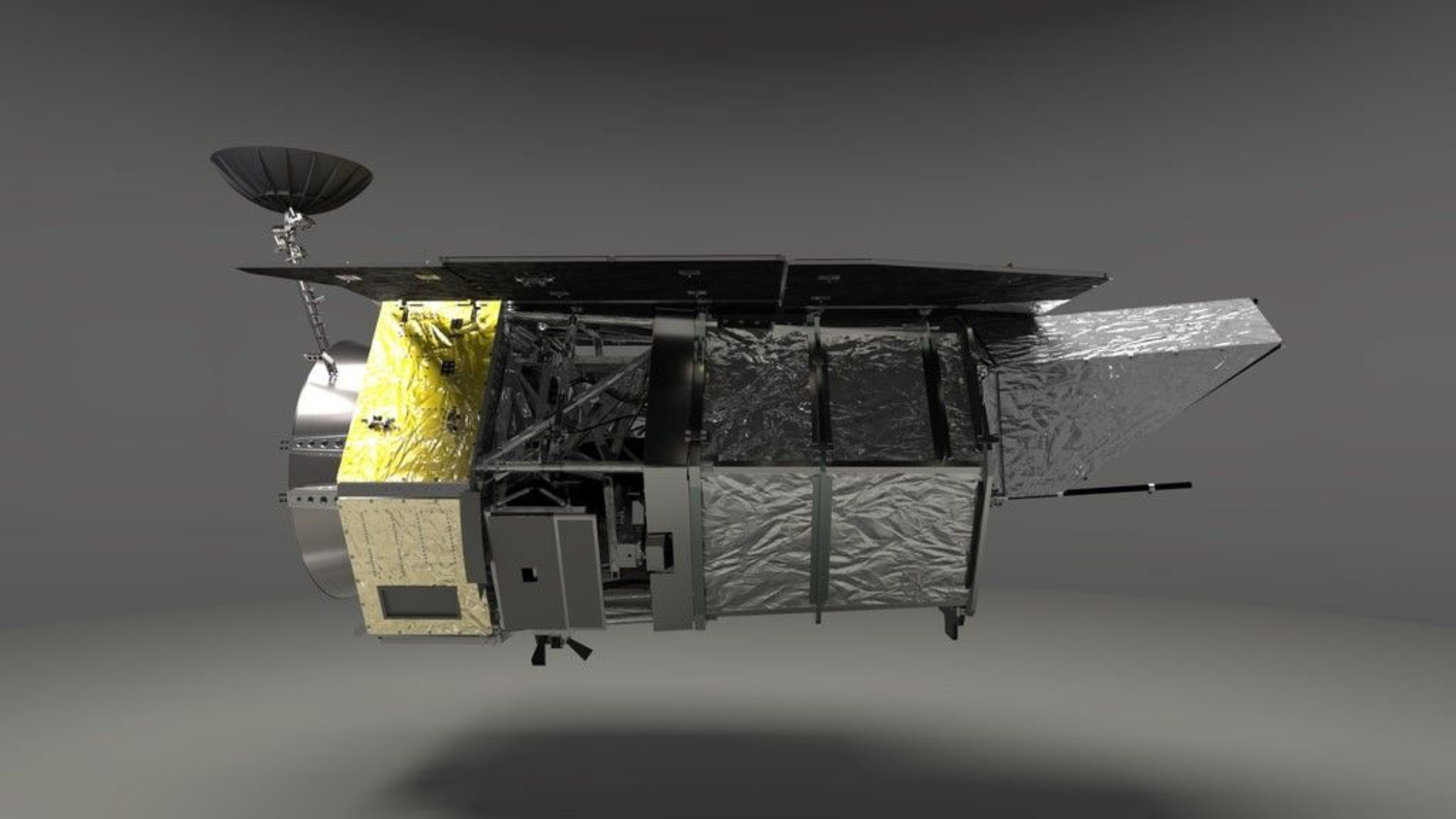
The Wide Field Instrument And Solar Array Sun Shield
The Wide Field Instrument, or WFI, is a giant infrared camera that captures a slice of sky bigger than the full moon as seen from Earth. It is equipped with a mosaic of 18 detectors arranged in an arc, each packing more than 16 million pixels. The Solar Array Sun Shield, or SASS, consists of six solar panels that generate electricity and throw shade over much of the spacecraft, helping to keep the sensitive instruments at low temperatures.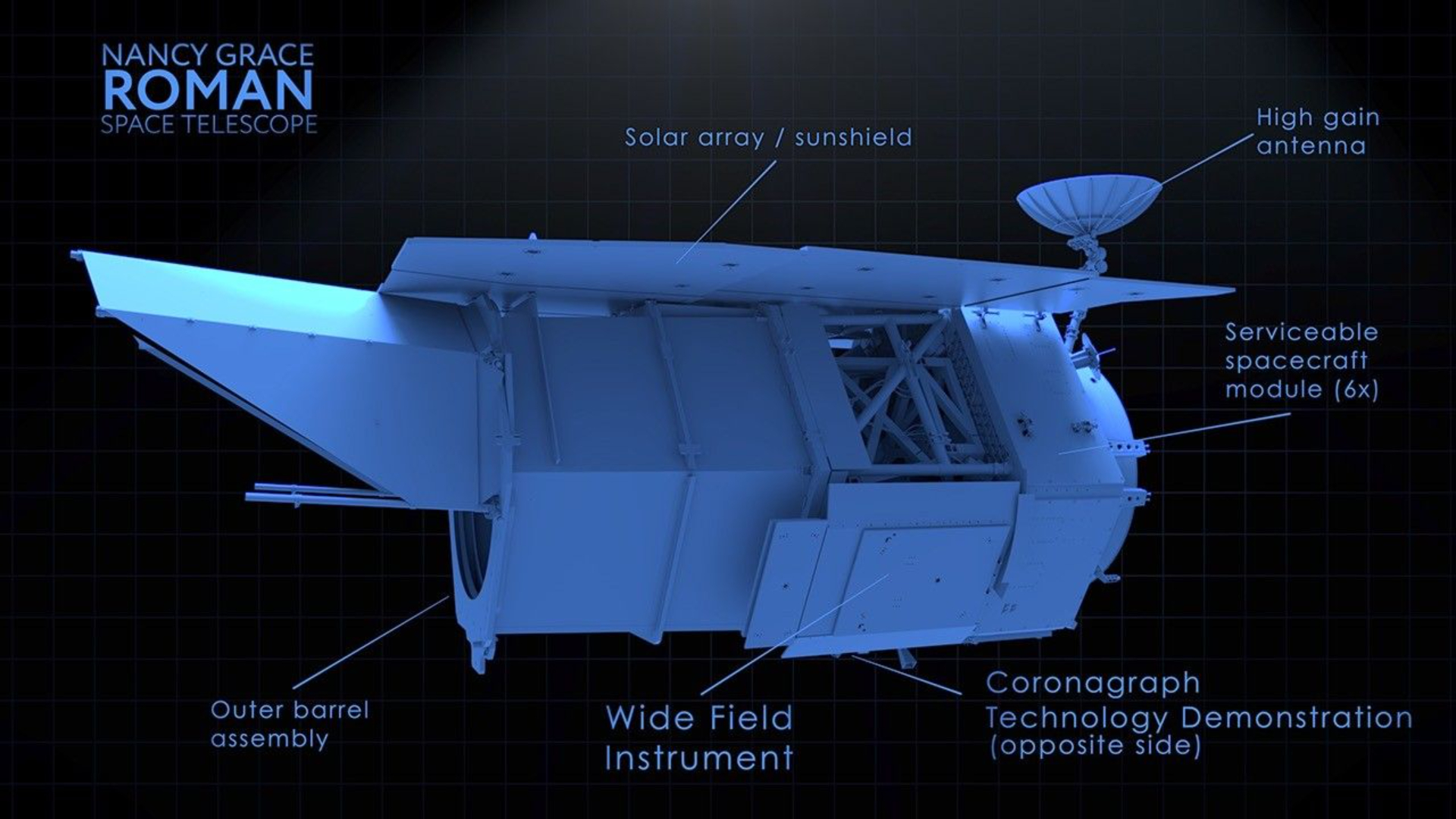
Contributions To Roman’s Mission From NASA Ames
Researchers at NASA's Ames Research Center have made key contributions to the Roman Space Telescope's mission. They have developed innovative software called ROSALIA, which predicts and removes unwanted light from astronomical images captured by the Wide Field Instrument. This software will allow astronomers to adjust their observation plans to limit glints from contaminating science targets in Roman's images. Additionally, the Roman Coronagraph Instrument will demonstrate advanced technologies for directly imaging planets around other stars, including a new "multi-star" tech that can see exoplanets in multi-star systems.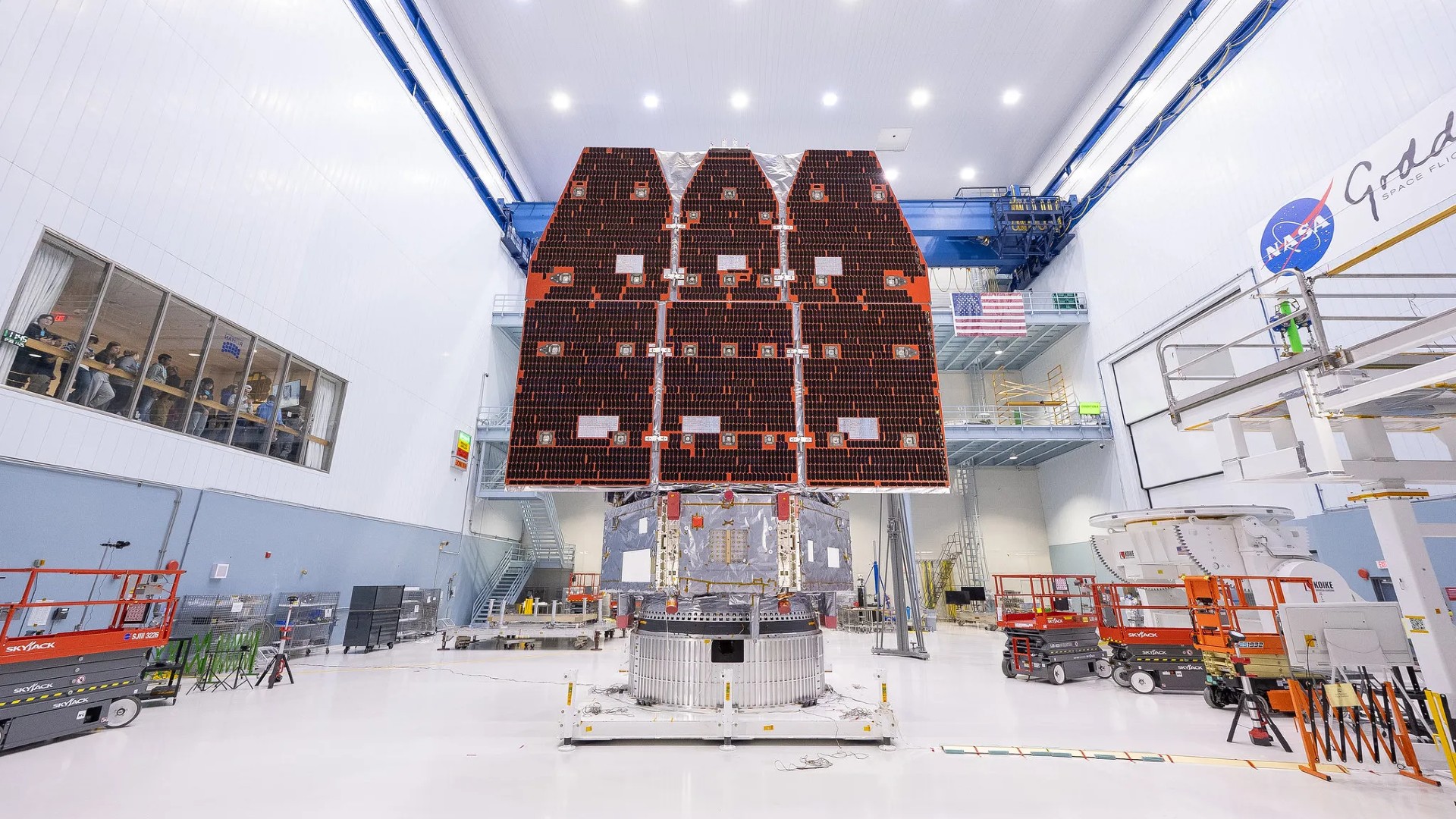
Future Outlook And Real-World Implications
The Nancy Grace Roman Space Telescope has the potential to make significant discoveries in the areas of dark energy, dark matter, planets outside our solar system, and the formation and growth of galaxies over cosmic time. With its advanced instruments and innovative software, the Roman Space Telescope will empower astronomers to explore vast regions of the cosmos and settle essential questions about the universe.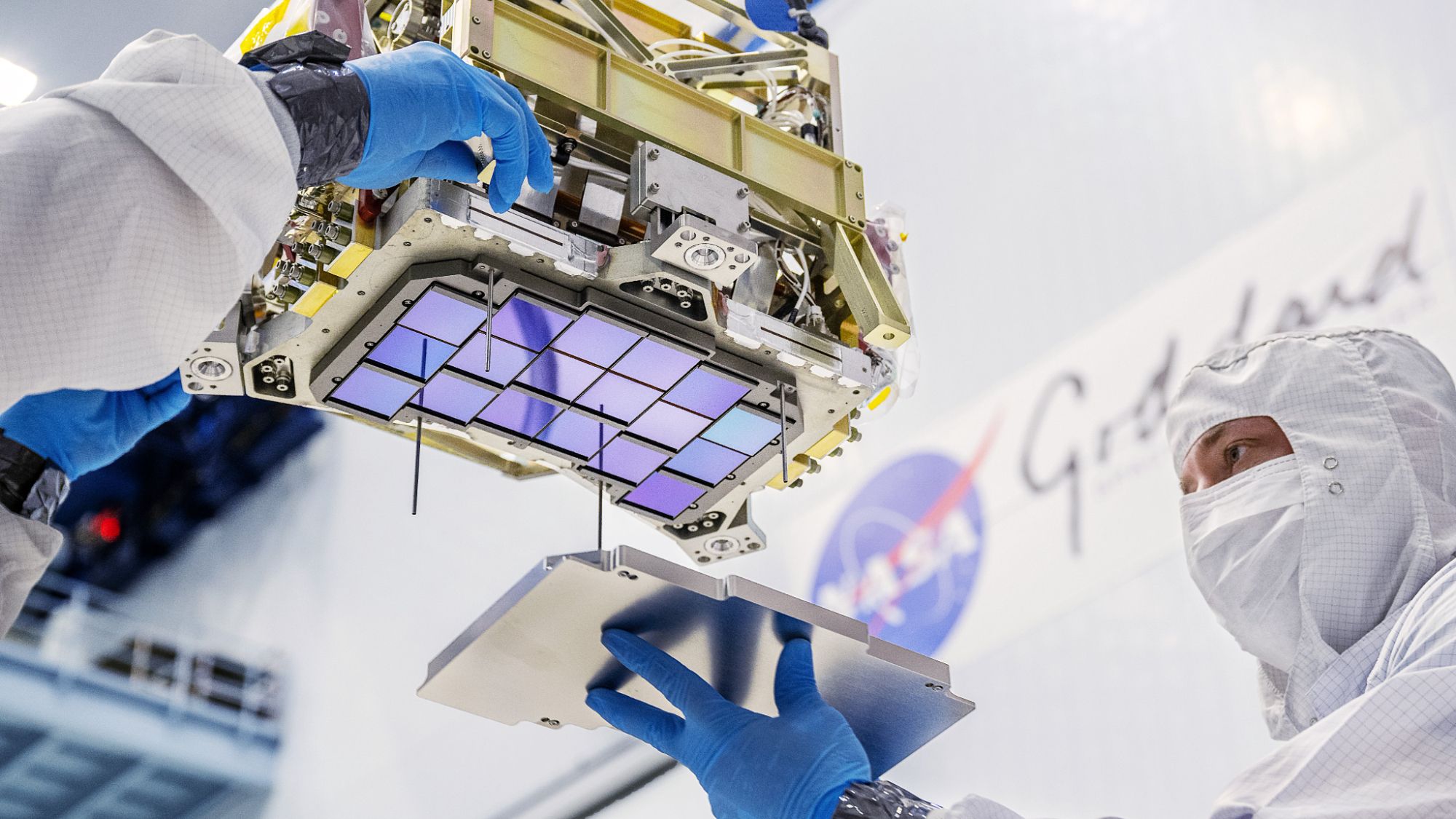
Conclusion And Launch Details
The Nancy Grace Roman Space Telescope is set to launch on August 30 aboard a SpaceX Falcon Heavy rocket from the Kennedy Space Center in Florida. With its unique design and advanced instruments, the Roman Space Telescope is poised to make significant contributions to our understanding of the universe. As the telescope begins its mission, astronomers and scientists around the world will be eagerly awaiting its discoveries and insights into the cosmos.Sources
This is an original synthesis by Qivorane based on reporting from the outlets below.