
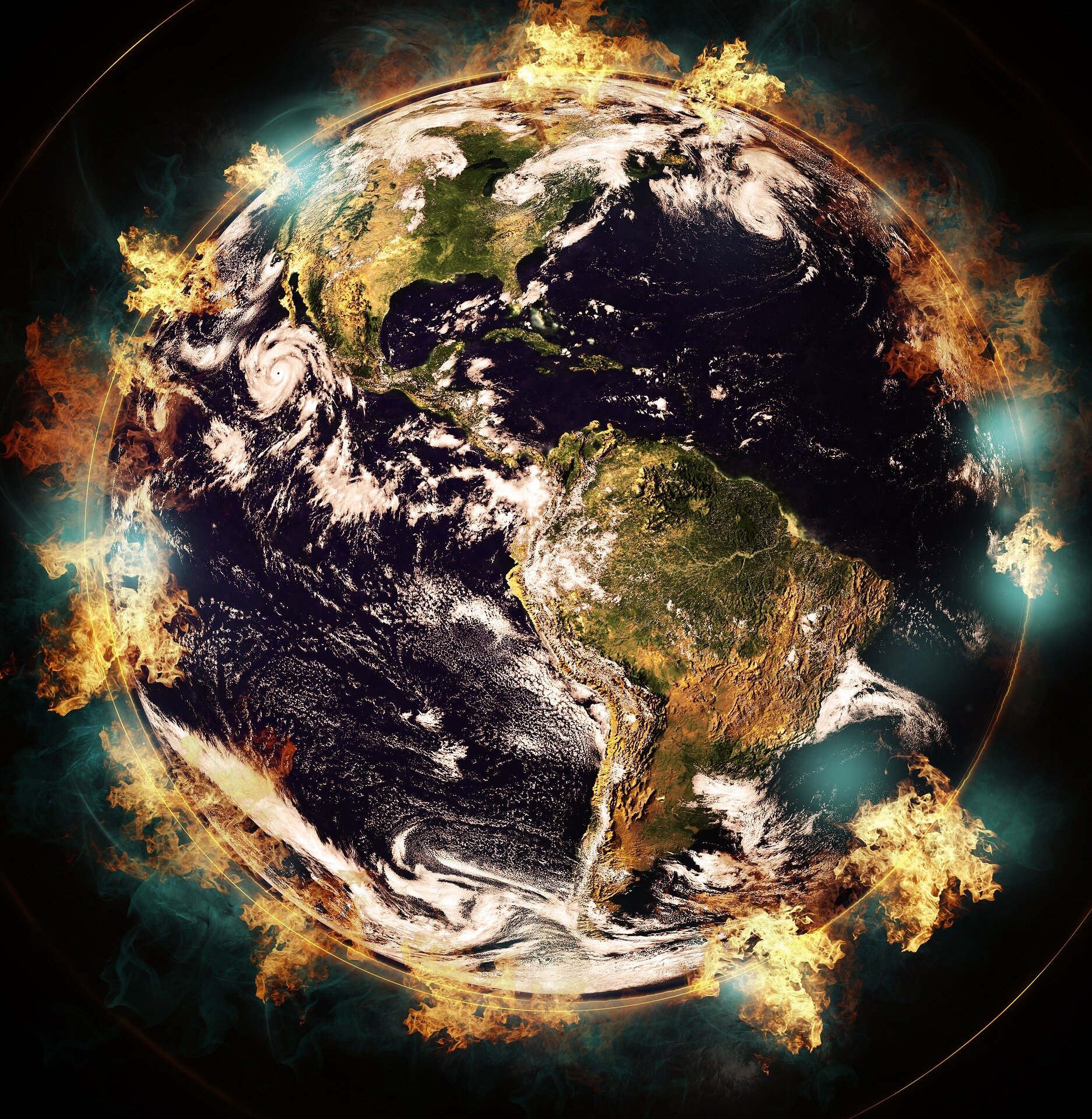
UN Report: 1.5°C Warming Limit To Be Exceeded
The world is on track to exceed the 1.5°C warming limit by 2030, according to a UN report.
Introduction To The Climate Crisis
The world is on track to exceed the 1.5°C warming limit by 2030, according to a recent United Nations report. This news comes as a stark reminder of the urgent need for climate action, as the consequences of inaction will be severe and far-reaching. The report's findings are a culmination of decades of climate research and negotiations, which have consistently emphasized the importance of limiting global warming to 1.5°C above preindustrial levels.
Understanding The 1.5°C Limit
The 1.5°C limit was established in the 2015 Paris Agreement, which set a shared goal for the world to keep the rise in global average temperature "well below" 2°C and "pursue efforts" to hold warming to 1.5°C. This goal was based on expert scientific assessments that warming of more than 2°C would be dangerous and that limiting warming to 1.5°C was necessary to minimize climate risks. Pacific nations, in particular, fought hard to include the 1.5°C limit in the agreement, arguing it was essential for their communities to "stay alive" in the face of rising sea levels and other climate-fueled threats. 
Consequences Of Exceeding The Limit
The consequences of exceeding the 1.5°C limit will be severe. Every fraction of a degree of warming will lead to more extreme weather, more loss of nature, more loss of land to the sea, and more harm to humans. If the world stays above 1.5°C, it risks triggering climate tipping points, such as the melting of the Greenland and West Antarctic ice sheets, the collapse of crucial heat-distributing currents in the Atlantic Ocean, or the Amazon rainforest becoming a source of carbon emissions rather than a sink. The report's findings are a stark reminder that the window for action is rapidly closing, and that urgent cuts to emissions and efforts to protect the most vulnerable are necessary to avoid the worst consequences of climate change.
Path Forward
While the report's findings are alarming, they also highlight the importance of continued climate action. It is still possible for the world to limit peak warming to 1.8°C and then use carbon removal methods to bring temperatures back to 1.5°C or below this century. However, this will require an unprecedented increase in political will and investment in a climate-safe future. As Inger Anderson, the executive director of the United Nations Environment Programme, noted, "Obviously, yes, we have climate procrastinated... And obviously yes, when we started UNFCCC we knew what action had to be taken. And we have not taken it at the speed that we could have." 
Call To Action
The report's findings are a call to action for governments, businesses, and individuals around the world. It is not too late to avoid the worst consequences of climate change, but it will require immediate and sustained action. As Palau's President Surangel Whipps Jr. noted, "It is hard to overstate the depth of emotion for those of us living on the front lines after having fought so hard to put the 1.5°C limit at the heart of the Paris Agreement... calls for greater ambition are no longer enough—we need to see an urgent and unprecedented increase in political will and investment in a climate-safe future." The world must come together to address the climate crisis, and it must do so now. 
Sources
This is an original synthesis by Qivorane based on reporting from the outlets below.