
Ice Island Survives Collision
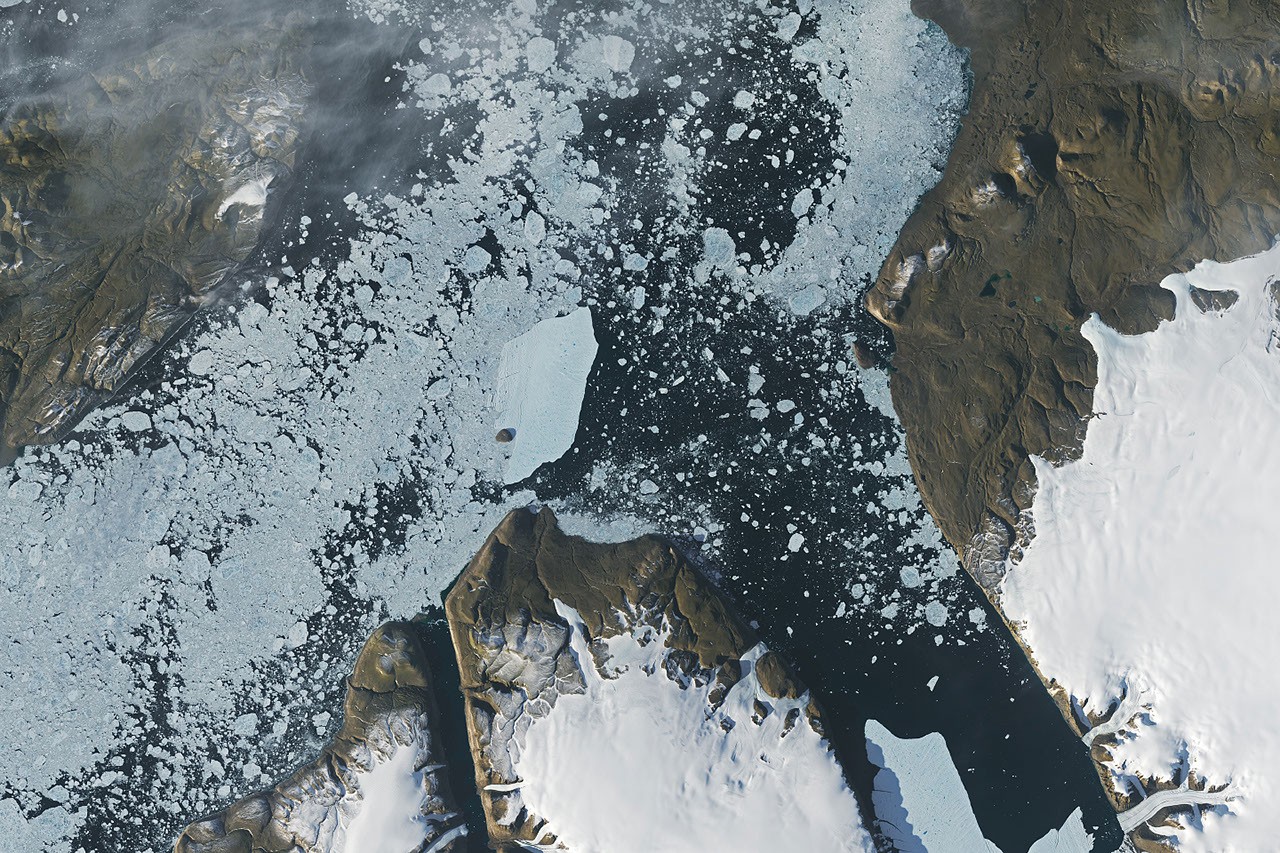
A massive iceberg calved from Petermann Glacier in Greenland survives a collision with Joe Island.
Introduction To Iceberg Calving
Summer 2026 marked a significant event in Greenland's glacier-fed fjords, as a substantial iceberg calved from Petermann Glacier in northwest Greenland. This massive iceberg, roughly the size of St. Thomas in the U.S. Virgin Islands, was the largest calving event by any Arctic glacier since 2020. The process of iceberg calving is a routine part of an outlet glacier's life cycle, but scientists closely monitor it, along with other observations of the ice and its environment, for signs of instability.
Background On Petermann Glacier
Petermann Glacier is one of Greenland's largest marine-terminating glaciers and acts as a gatekeeper for ice flowing from the ice sheet into the ocean. Its future stability has significant implications for sea level rise. The calving event of summer 2026 was spotted on August 4 by Adam Garbo, a doctoral student in glaciology at the University of Ottawa, in imagery from the European Space Agency's Sentinel-1 mission. Garbo and an international team of colleagues have been using remote sensing to study and track the glacier's ice tongue.
The Calving Event And Its Aftermath
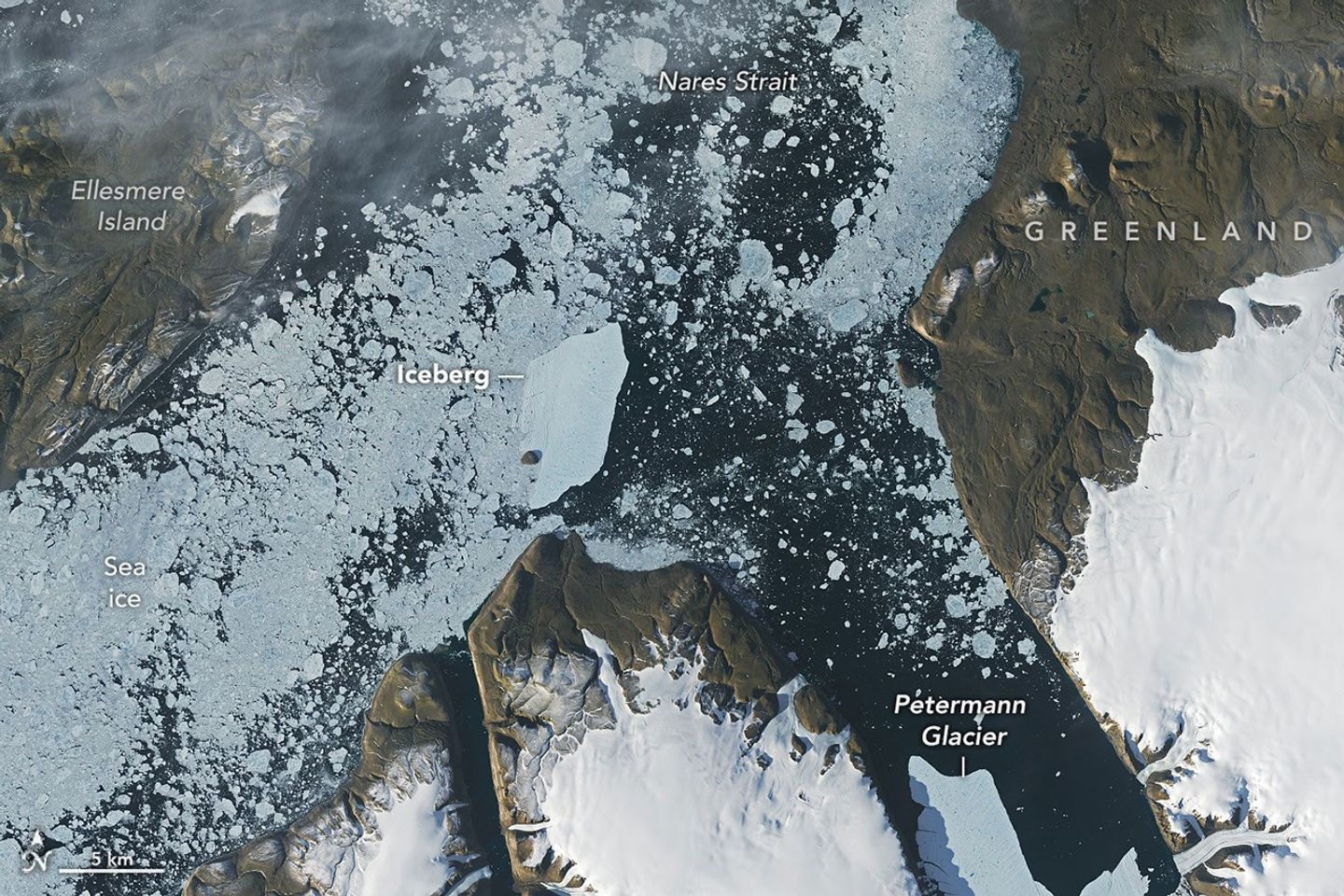
The large tabular iceberg, or “ice island,” measured just over 76 square kilometers (29 square miles) at the time it calved—the largest to break from the glacier since the ice island of 2012 (130 square kilometers). The team reported that the calving event could have been even bigger, as Garbo and colleagues had been expecting a major calving once one of the large rifts they were monitoring finally cut all the way across Petermann’s ice tongue. However, the calving instead followed a different fracture, producing a smaller ice island than anticipated.
Collision With Joe Island
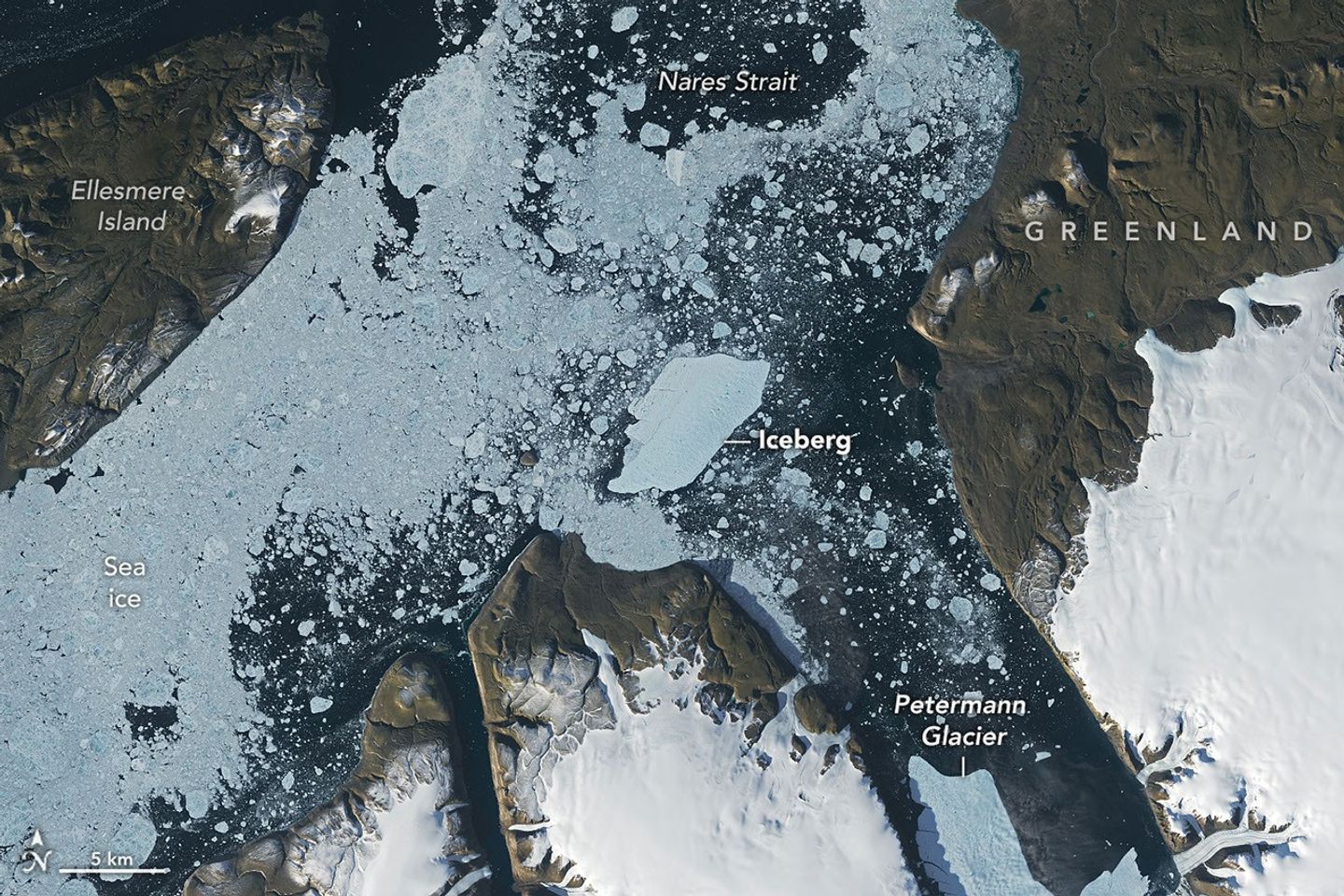
As the iceberg drifted down Petermann Fjord toward Nares Strait, it rammed into a small rocky outcrop known as Joe Island (Joe Ø). The brief encounter is visible in images captured by the OLI (Operational Land Imager) on Landsat 9 on August 23 and August 24. Joe Island sits at the mouth of Petermann Fjord, making it one of the first obstacles a departing ice island meets. Collisions with it—like the one that split the 2010 ice island in two—often mark the start of a berg’s breakup. Despite the collision, the ice island survived the interaction without further fragmentation, which was a surprise to scientists.
Implications And Future Outlook
The ice island was estimated to be less than 150 meters thick at the time of calving, making it thinner and more fragile than those calved by glaciers such as Greenland’s Jakobshavn and Helheim, and thinner still than Antarctica’s behemoths. Scientists will continue to monitor the ice island and the glacier, as the future stability of Petermann Glacier has significant implications for sea level rise. With two large rifts remaining and expected to eventually produce new ice islands, the team will be watching closely for signs of instability and further calving events.
Sources
This is an original synthesis by Qivorane based on reporting from the outlets below.