
Sunken WWII Ship Colonized
Sunken WWII hospital ship attracts invasive devil firefish and rare monk seals
Introduction To Artificial Reefs
A sunken World War II hospital ship, the Po, has become an artificial reef off the coast of Albania, attracting a diverse range of marine life, including invasive devil firefish and rare Mediterranean monk seals. The ship, which sank in 1941 after being hit by a torpedo, is now home to over 80% of its surface teeming with marine life. This phenomenon, known as the artificial reef effect, occurs when marine life colonizes a newly introduced solid structure underwater, providing shelter and food for various organisms.
Colonization Of The Po Shipwreck
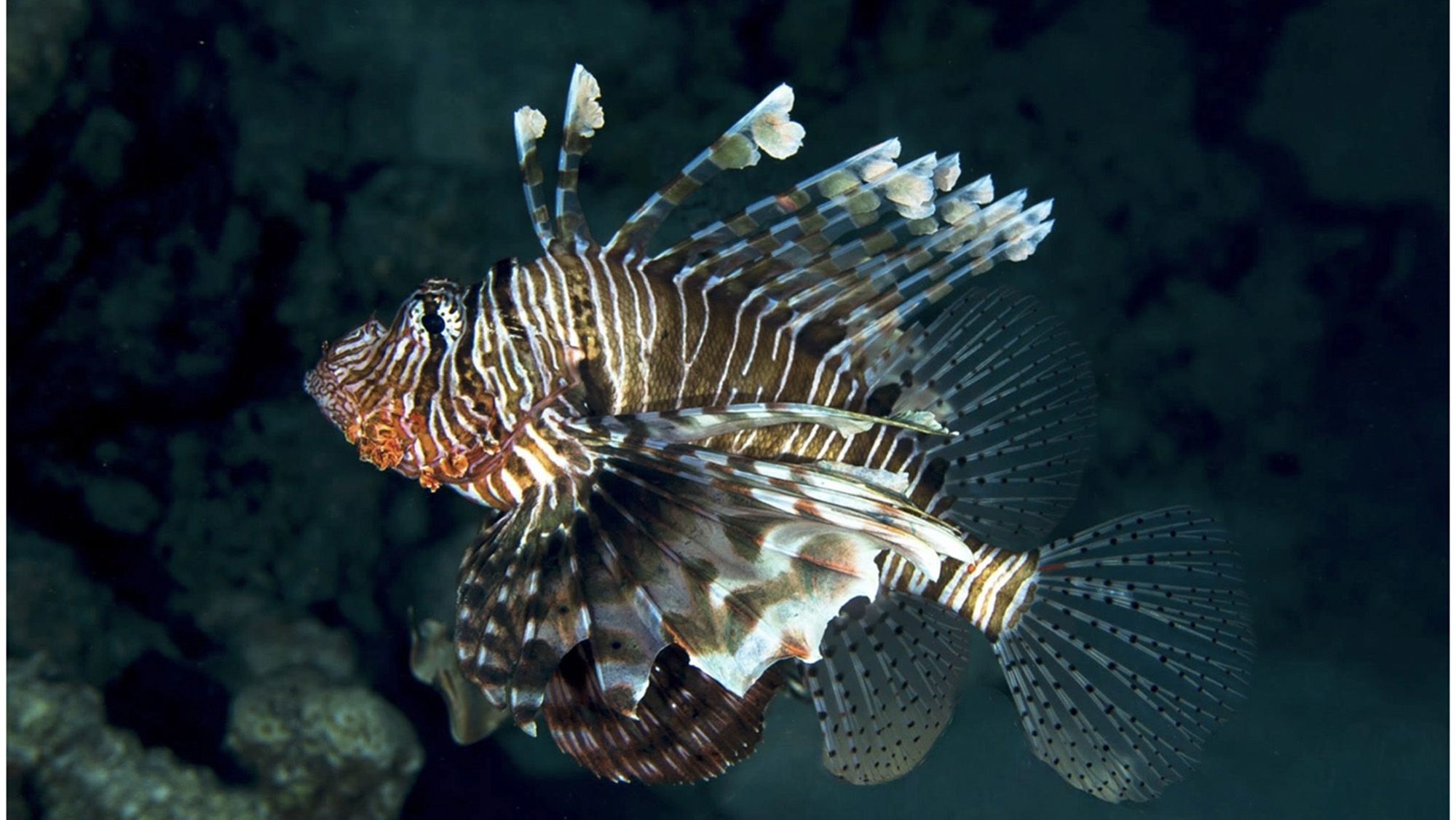
The Po shipwreck has been colonized by a range of marine animals and plants, including the invasive devil firefish, which are native to warm coastal waters and coral reefs of the West Indian Ocean and the Red Sea. However, the new study found these fish swimming around the shipwreck off the coast of Albania, around 800 miles away from their natural habitat. The study authors suggested that shipwrecks like the Po could be attracting these invasive animals from their natural habitat toward more temperate waters. 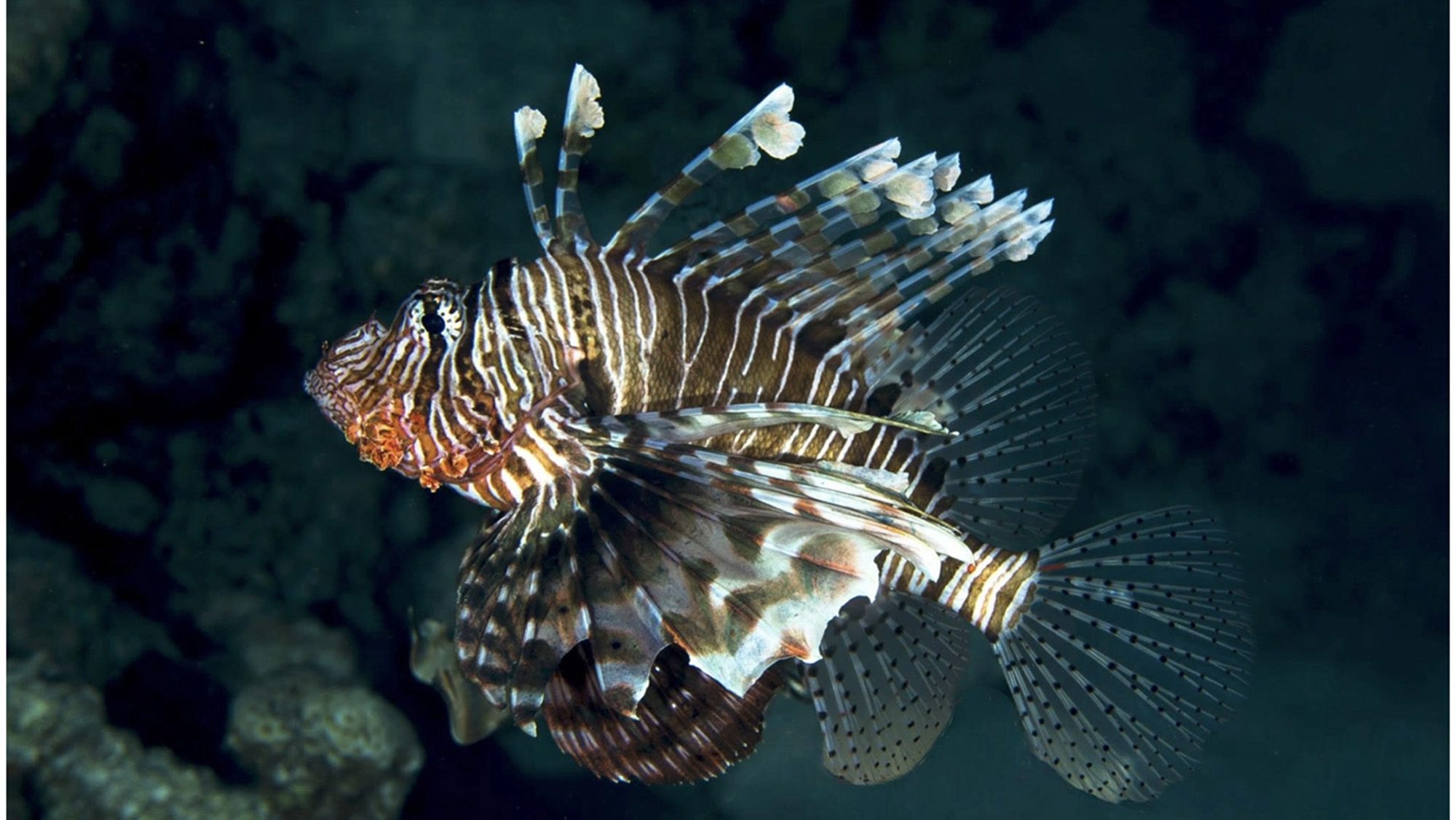
Impact Of Climate Change
The presence of the devil firefish in the Adriatic Sea is part of a wider problem, with more invasive species migrating from the Red Sea through the Suez Canal and into the Adriatic Sea due to warming global temperatures. According to Simone Modugno, a biologist and scientific diver at the University of Ferrara in Italy and co-author of the study, the effects of climate change are now sadly well known and predictable. However, what's perhaps most surprising is the speed at which these climate changes are occurring, acting as a driver and amplifier for the incursions of tropical and alien organisms.
Conservation Implications
The study confirmed that the Po shipwreck is one of the northernmost reported occurrences of the firefish in the Adriatic Sea. The researchers noted that the presence of these fish is a serious problem, with Modugno expecting a "serious problem" involving the devil firefish within the next 10 years. The study highlights the need for conservation efforts to mitigate the impact of invasive species on local ecosystems. The Po shipwreck has also become a habitat for rare Mediterranean monk seals, which are an endangered species. The study suggests that artificial reefs like the Po shipwreck can provide a habitat for these species, but also highlights the need for careful management to ensure that the benefits of these reefs are not outweighed by the risks.
Future Outlook
The study provides new insights into the artificial reef effect and the impact of climate change on marine ecosystems. The researchers suggest that further studies are needed to understand the long-term effects of artificial reefs on local ecosystems and to develop strategies for managing the risks and benefits of these reefs. The study also highlights the need for conservation efforts to protect endangered species like the Mediterranean monk seal and to mitigate the impact of invasive species on local ecosystems. As the world's oceans continue to warm, it is likely that we will see more examples of invasive species colonizing new habitats, and it is essential that we develop strategies to manage these impacts and protect local ecosystems.
Sources
This is an original synthesis by Qivorane based on reporting from the outlets below.