
Ghostly Green Lakes Merge
Australian outback lakes merge after heavy rainfall, satellite images show
Introduction To The Australian Outback's Ghostly Green Lakes
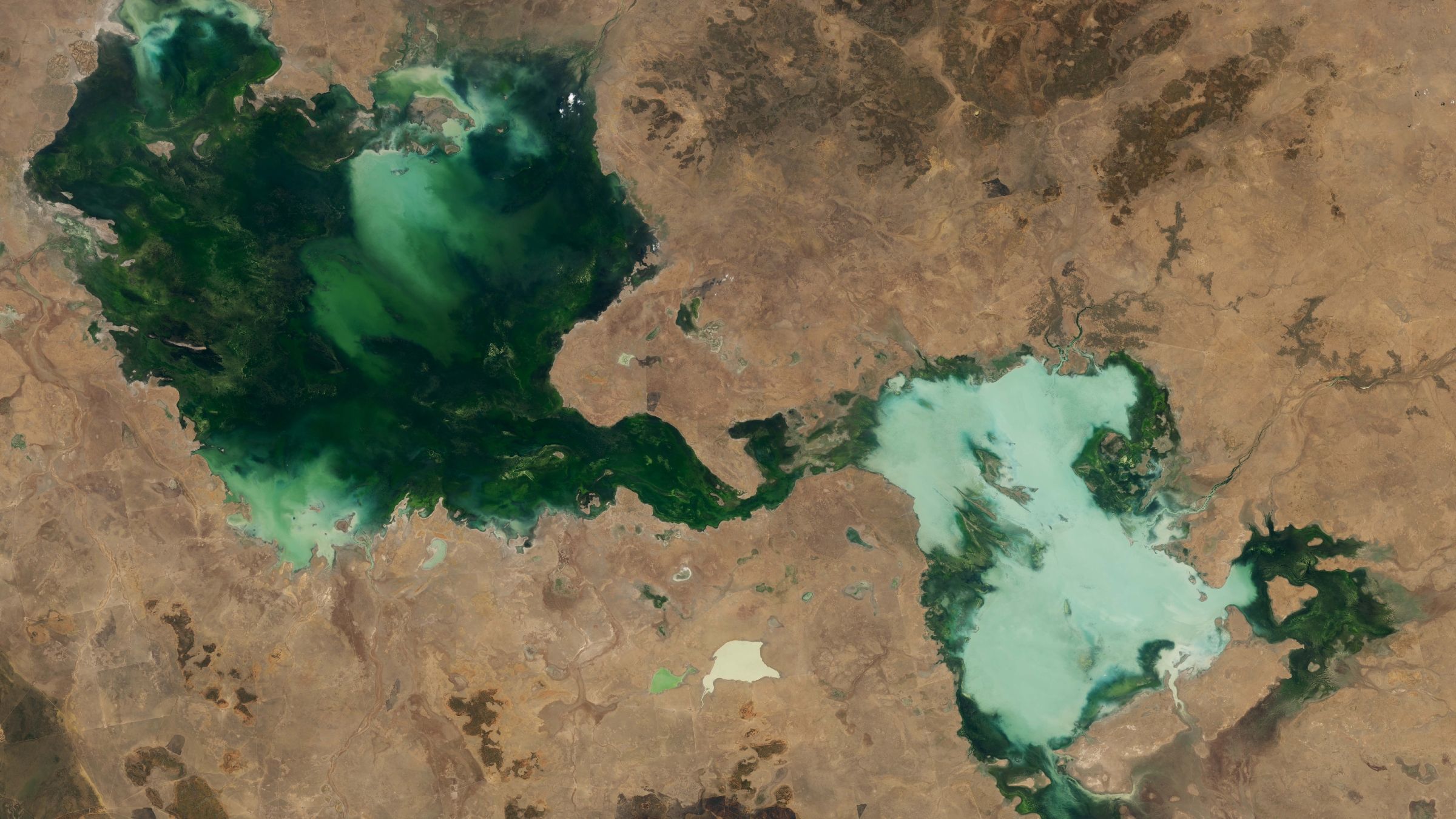
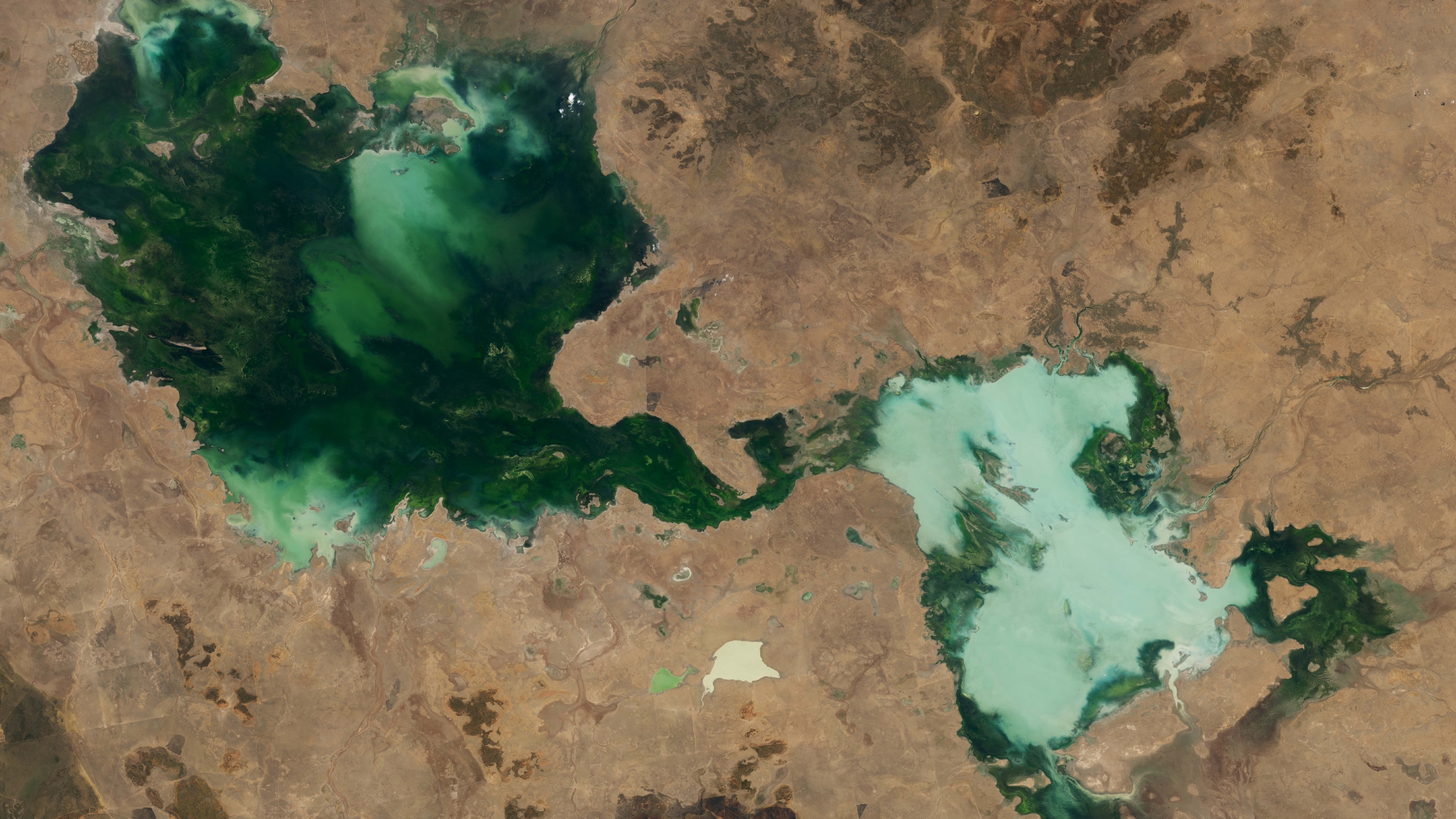
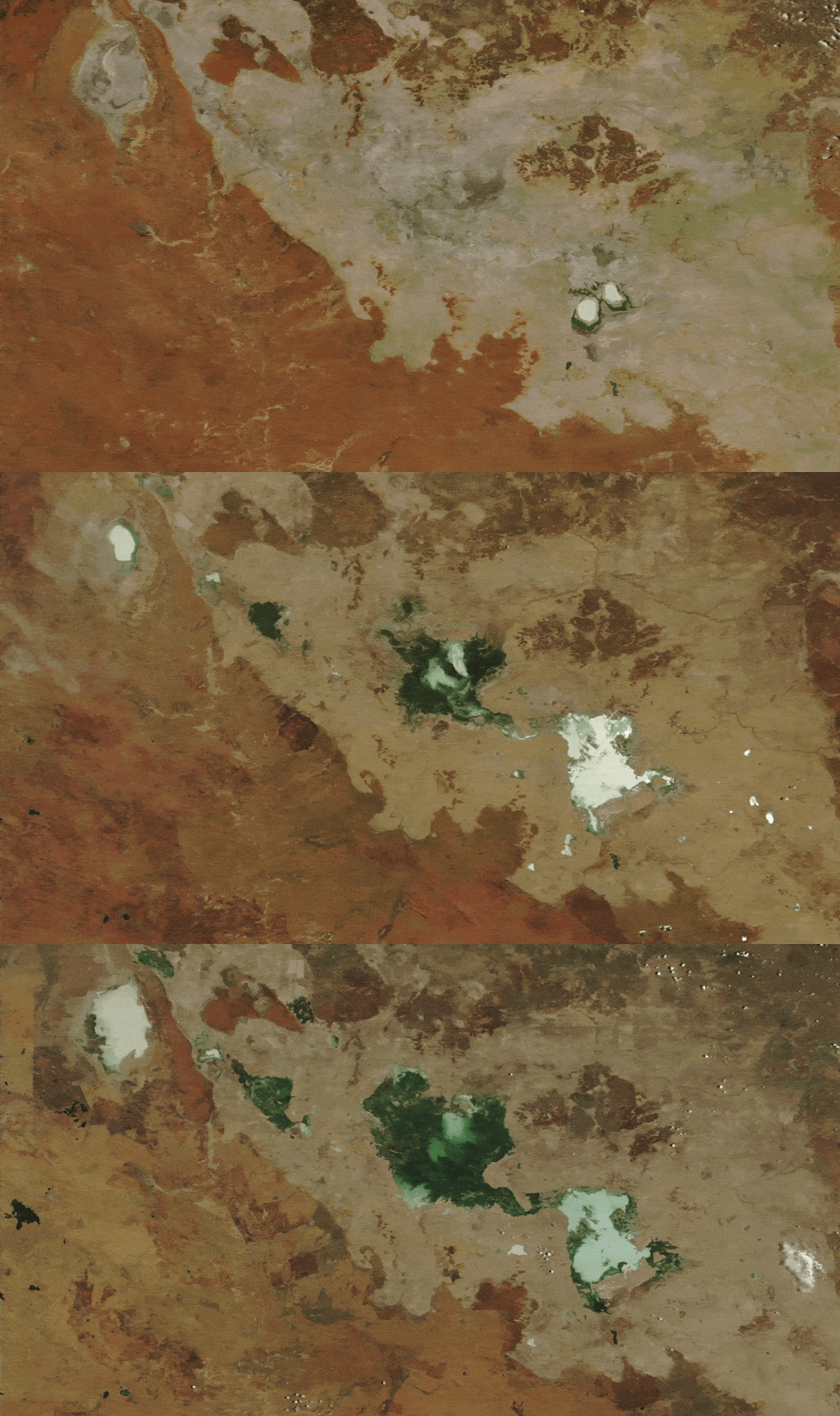
A striking satellite image captured in 2024 reveals a massive, emerald-colored body of water in the Australian outback. This unusual sight is the result of four ephemeral lakes merging into a single entity after heavy rainfall caused them to overflow their banks. The merged lakes, located in the Barkly Tableland region of Australia's Northern Territory, are a rare sight due to the area's typically dry climate.
Background And Location Of The Merged Lakes
The Barkly Tableland is a region in Australia's Northern Territory, situated between the states of Queensland, South Australia, and Western Australia. The area is characterized by its dry and barren landscape, with most of its lakes being ephemeral, meaning they have no constant inflow or outflow of water. The largest section of the merged lakes is Tarrabool Lake, which stretches approximately 55 miles across at its widest point and appears dark green due to the dense vegetation and algae in the water. The smaller section is composed of three lakes: Lake Sylvester, Lake Corella, and Lake Deburgh, which have a paler and chalkier hue due to high levels of suspended sediment.
Cause Of The Lakes' Merging And Growth
The merging of the lakes is a result of near-record levels of rainfall in the region over the past two years. The Northern Territory's rainy season, which lasts from October to April, saw two consecutive years of heavy rainfall, with the 2022-2023 and 2023-2024 seasons ranking among the top 10 wettest since 1990. This increase in rainfall is likely due to the effects of human-caused climate change, which has led to a 14% rise in annual rainfall in the Barkly Tableland between 1989 and 2018. Additionally, Tropical Cyclone Megan brought a massive amount of rain to the region in March 2024, causing flash flooding and further contributing to the lakes' growth.
Importance Of The Merged Lakes And Their Surroundings
The merged lakes and their surroundings are important breeding sites for various bird species, including the straw-necked ibis and the Australian pelican. The area is also home to Australia's largest wooded swamp, the Eva Downs Swamp system, which is flooded by Tarrabool Lake when it is at its fullest. The unique ecosystem of the merged lakes and their surroundings makes them a vital component of the Australian outback's biodiversity.
Real-World Implications And Future Outlook
The merging of the lakes in the Australian outback has significant implications for the region's ecosystem and climate. The increased rainfall and subsequent flooding have created a unique and temporary environment that supports a wide range of plant and animal life. However, the effects of climate change and human activities on the region's rainfall patterns and water cycles are likely to continue, leading to more frequent and severe flooding events. As such, it is essential to monitor and study the merged lakes and their surroundings to better understand the impacts of climate change and develop strategies for mitigating its effects.
Sources
This is an original synthesis by Qivorane based on reporting from the outlets below.