
Climate Change Spurs Yellow Fever
Yellow fever is reemerging due to climate change, posing a threat to global health
Introduction To Yellow Fever
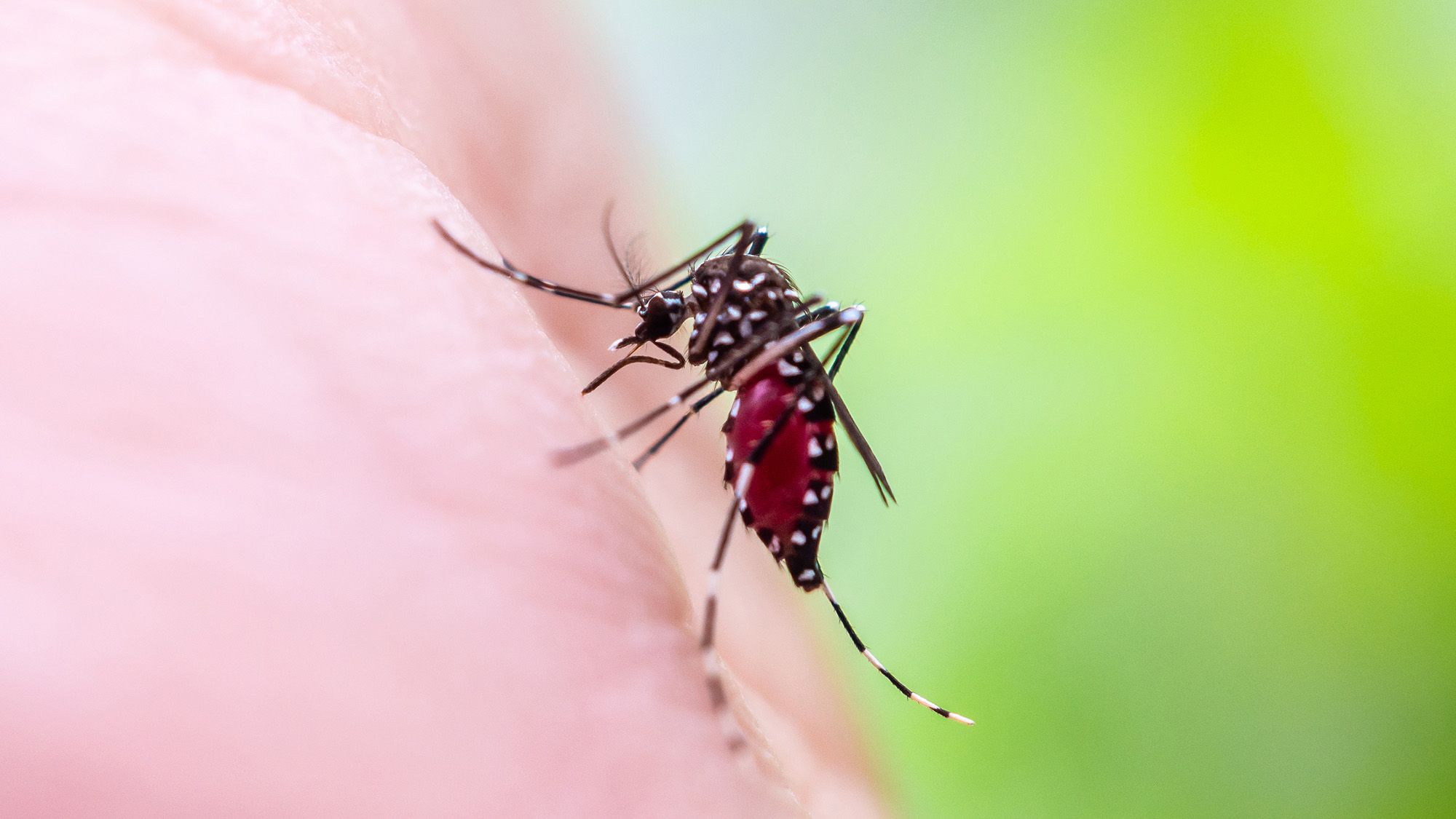
Yellow fever, a highly deadly disease, is reemerging in regions that haven't seen cases in years, largely due to climate change. The virus, which is transmitted by mosquitoes, particularly the Aedes aegypti species, has a long history of ravaging cities across the Americas, Europe, and Africa. However, with the introduction of a vaccine in 1937, its range significantly decreased. Now, as climate change creates favorable conditions for virus-carrying mosquitoes, scientists are seeing outbreaks in unexpected areas.How Climate Change Contributes To Yellow Fever
Climate change is contributing to the reemergence of yellow fever by altering the behavior and ranges of mosquitoes that carry the virus. Rising temperatures make mosquitoes more active, increasing the likelihood of transmission. Additionally, warming cuts down the virus's extrinsic incubation period, allowing it to replicate and be passed on to another person more quickly. Extreme weather events, such as droughts and heavy rainfall, also play a role in exacerbating mosquito-borne disease transmission. For example, in 2017-2018, Brazil saw its first yellow fever outbreak in a city in almost a century, which was likely a result of drought. The drought pushed forest-based mosquitoes, as well as YFV carriers like marmosets and howler monkeys, closer to cities as they searched for water.The Impact Of Rising Temperatures On Mosquito Behavior
Rising temperatures have a significant impact on mosquito behavior, making them more active and increasing the likelihood of transmission. As temperatures rise, mosquitoes' metabolisms become more active, causing them to bite more frequently. This, combined with the shorter extrinsic incubation period, creates a perfect storm for the spread of yellow fever. Furthermore, changing weather patterns, such as droughts and heavy rainfall, can create breeding grounds for mosquitoes, allowing their populations to grow and increasing the risk of transmission.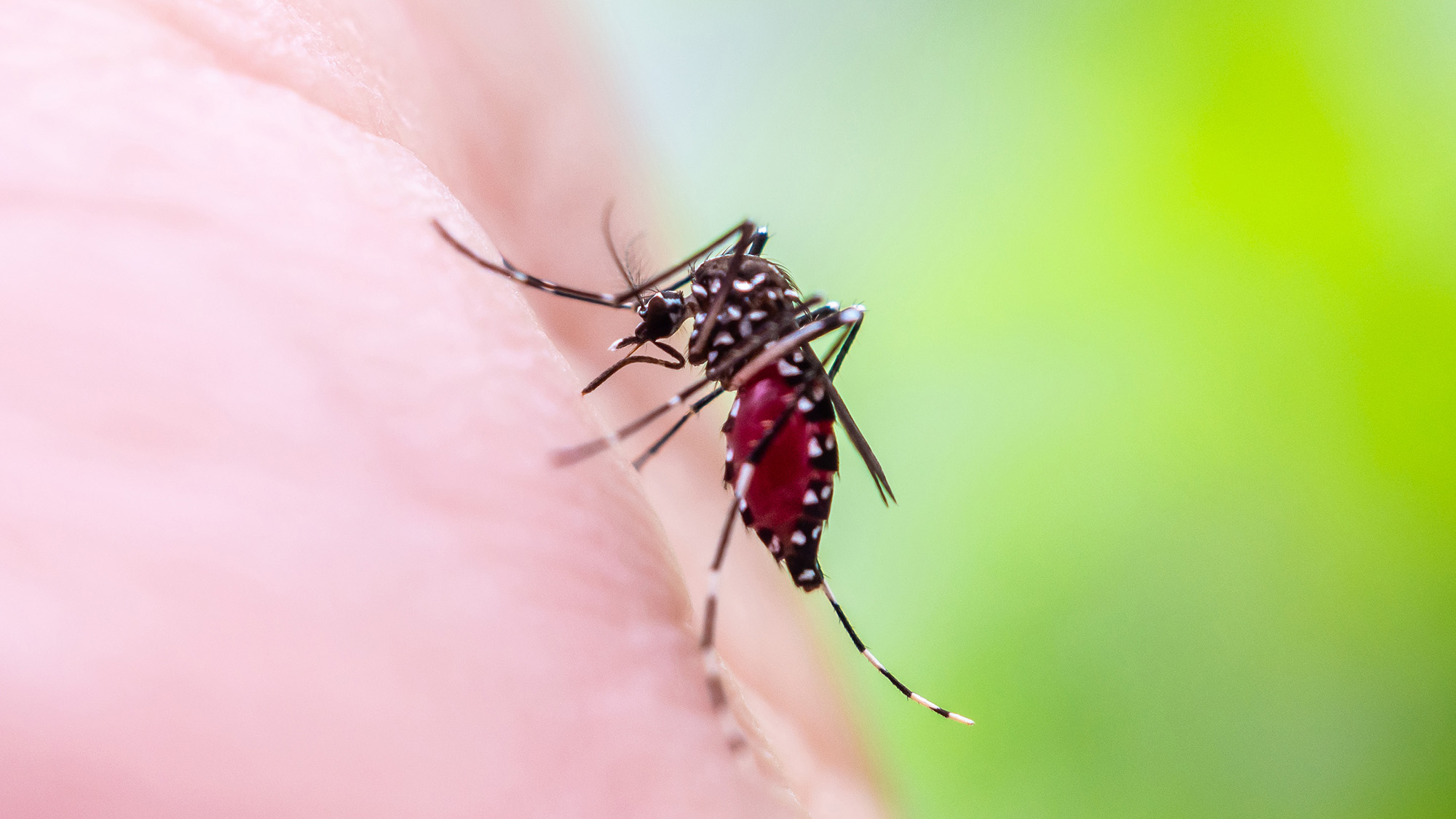
Real-World Implications And Future Threats
The reemergence of yellow fever has significant real-world implications, particularly for the United States. As climate change continues to alter the behavior and ranges of mosquitoes, the risk of yellow fever outbreaks in the US increases. According to Dr. Joelle Ivy Rosser, an infectious-disease researcher at Stanford University, "Yellow fever is a highly deadly disease, so any environmental pressures that increase the likelihood of future yellow fever virus outbreaks... is highly concerning." The World Health Organization (WHO) has set out a strategy to eliminate yellow fever epidemics by 2026, but the ongoing impact of climate change may hinder these efforts.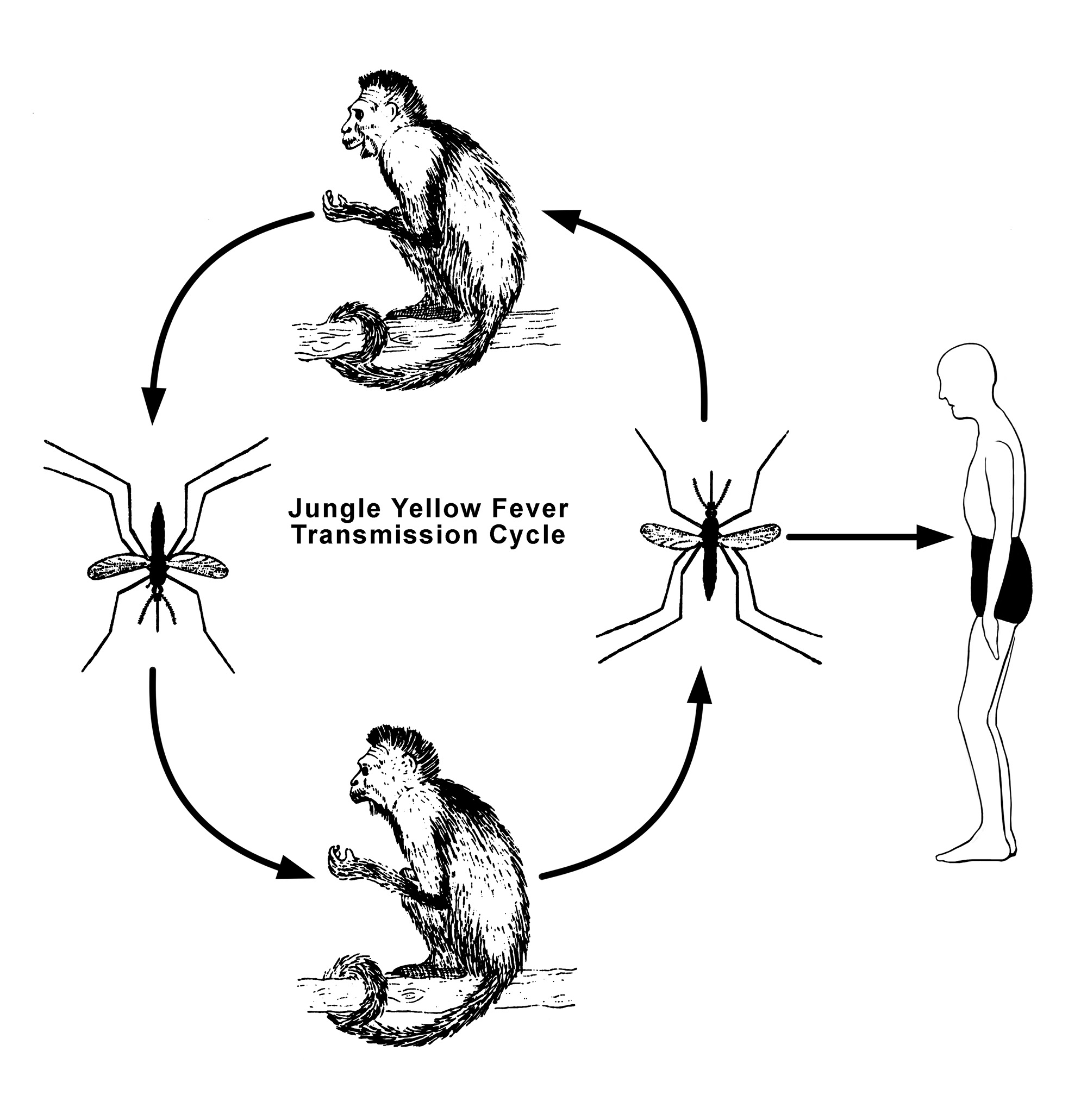
Future Outlook And Prevention Strategies
To prevent future yellow fever outbreaks, it is essential to understand the complex interplay between climate change, mosquito behavior, and disease transmission. This includes monitoring weather patterns, tracking mosquito populations, and implementing effective prevention and containment strategies. The WHO's strategy to eliminate yellow fever epidemics by 2026 is a crucial step towards preventing future outbreaks, but it will require ongoing efforts to address the root causes of the disease's reemergence.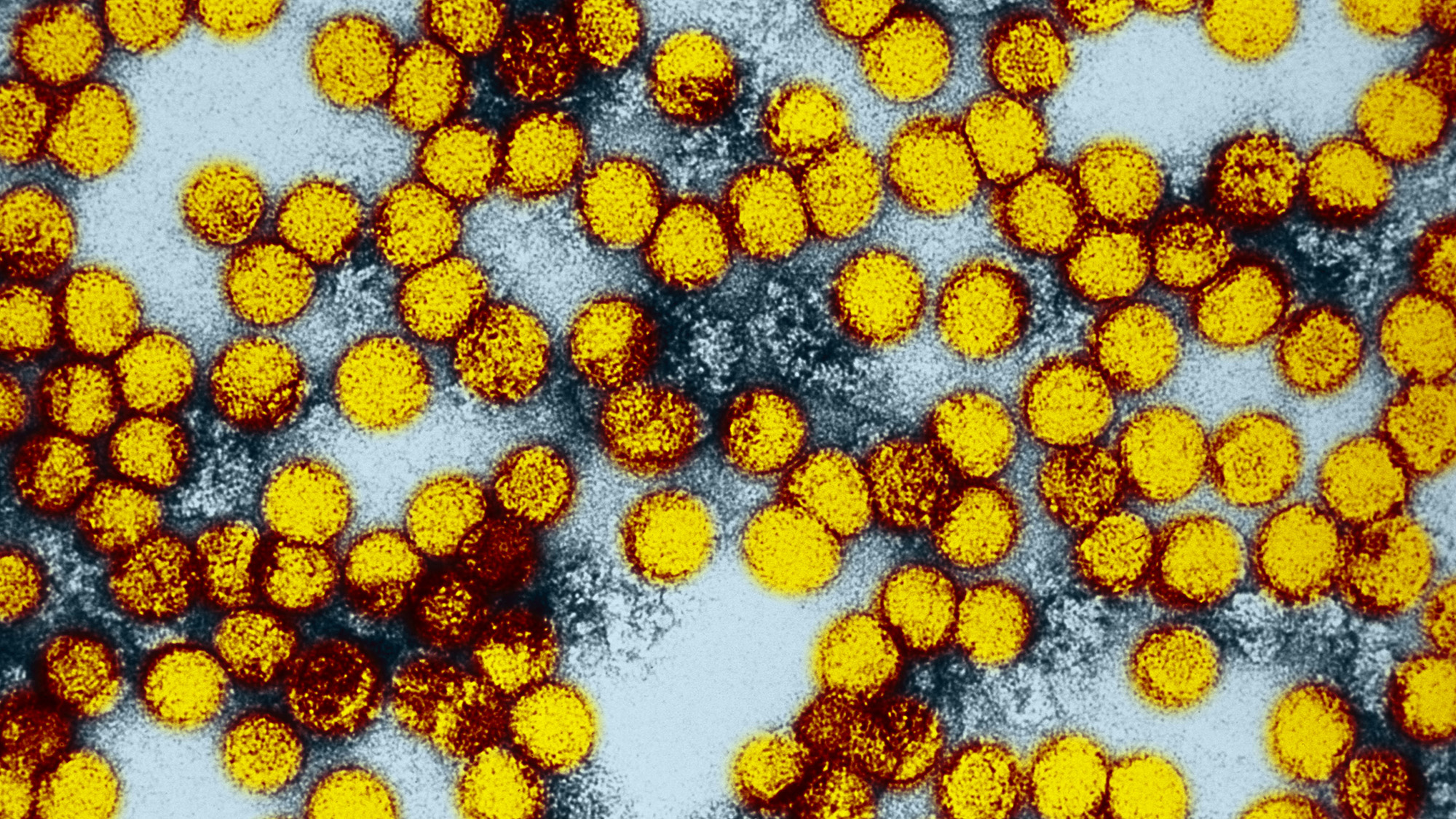
Conclusion And Call To Action
In conclusion, the reemergence of yellow fever is a pressing concern, particularly in the context of climate change. As mosquitoes that carry the virus continue to adapt to changing environmental conditions, the risk of outbreaks increases. It is essential to take proactive steps to prevent future outbreaks, including monitoring weather patterns, tracking mosquito populations, and implementing effective prevention and containment strategies. By working together to address the root causes of yellow fever's reemergence, we can reduce the risk of this deadly disease and protect public health.Sources
This is an original synthesis by Qivorane based on reporting from the outlets below.