
Global Catastrophe Preparation
Governments must prepare for rare events that could cause global catastrophes, disrupting food systems and leading to widespread suffering.
Introduction To Global Catastrophes
A massive volcanic eruption in Southeast Asia could potentially cause a global catastrophe, with ash fall delaying flights and destroying crops, and pyroclastic flows wiping out entire towns. The sulfur dioxide emitted could turn into a haze of fine acid droplets, wrapping around the entire planet and scattering sunlight back to space, leading to a significant cooling of the ground and a failure of harvests worldwide. This scenario may seem like a nightmare, but it's not a matter of if, but when a world-changing event like this will hit, and governments need to start preparing for global catastrophes that could disrupt the food system on an unprecedented scale.
Understanding The Risks
There are several rare events that could cause a global catastrophe, including a massive volcanic eruption, a nuclear war, and a continent-wide blackout. These events may seem unlikely, but they are not as rare as they feel. Volcanologists estimate that the chance of a magnitude-7 eruption, similar to the one that caused the "year without summer" in 1815, is roughly 1 in 6 this century. The estimates for a repeat of the 1859 Carrington solar storm, which could disrupt power grids on a continental scale, run from about 1% to 12% per decade. Nuclear-armed states are almost constantly engaged in conflicts, risking nuclear war. 
Preparing For The Worst
Despite the risks, hardly anyone is assessing these risks and preparing for the worst. Even the countries that are doing it best, such as the U.K. and Switzerland, fall short. The U.K. National Risk Register lists 89 risks, including volcanic eruptions, severe space weather, pandemics, and a nuclear miscalculation abroad, but it does not provide a comprehensive plan for preparing for and responding to these risks. There are three main steps that need to be taken to prepare for global catastrophes: putting events like nuclear war, a huge volcanic eruption, and a continent-wide blackout into national risk assessments; agreeing to trade rules for such an emergency before it arrives; and funding pilot projects now for foods that can be produced at scale without much sunlight or without fertilizer.
Consequences Of Inaction
The consequences of not preparing for global catastrophes could be devastating. A volcanic eruption, the firestorms of a nuclear war, or a large asteroid impact could all push particles into the upper atmosphere, blocking sunlight and leading to colder, drier growing seasons that could result in harvest losses up to total failure. In the most extreme nuclear war scenario, researchers estimate that global calorie production could drop by around 90%. A long blackout, caused by a powerful solar storm, could have the same consequence: no fertilizer, no pesticides, no fuel, and the sharpest yield losses exactly where we produce most food today. 
A Call To Action
The difference between the societies that prepare and those that do not will be measured in lives. It is essential that governments and international organizations take immediate action to prepare for global catastrophes. This includes putting in place comprehensive plans for risk assessment, emergency response, and food production. It also requires international cooperation and agreement on trade rules and other measures to mitigate the effects of a global catastrophe. By taking these steps, we can reduce the risk of a global catastrophe and ensure that we are prepared to respond if one occurs. 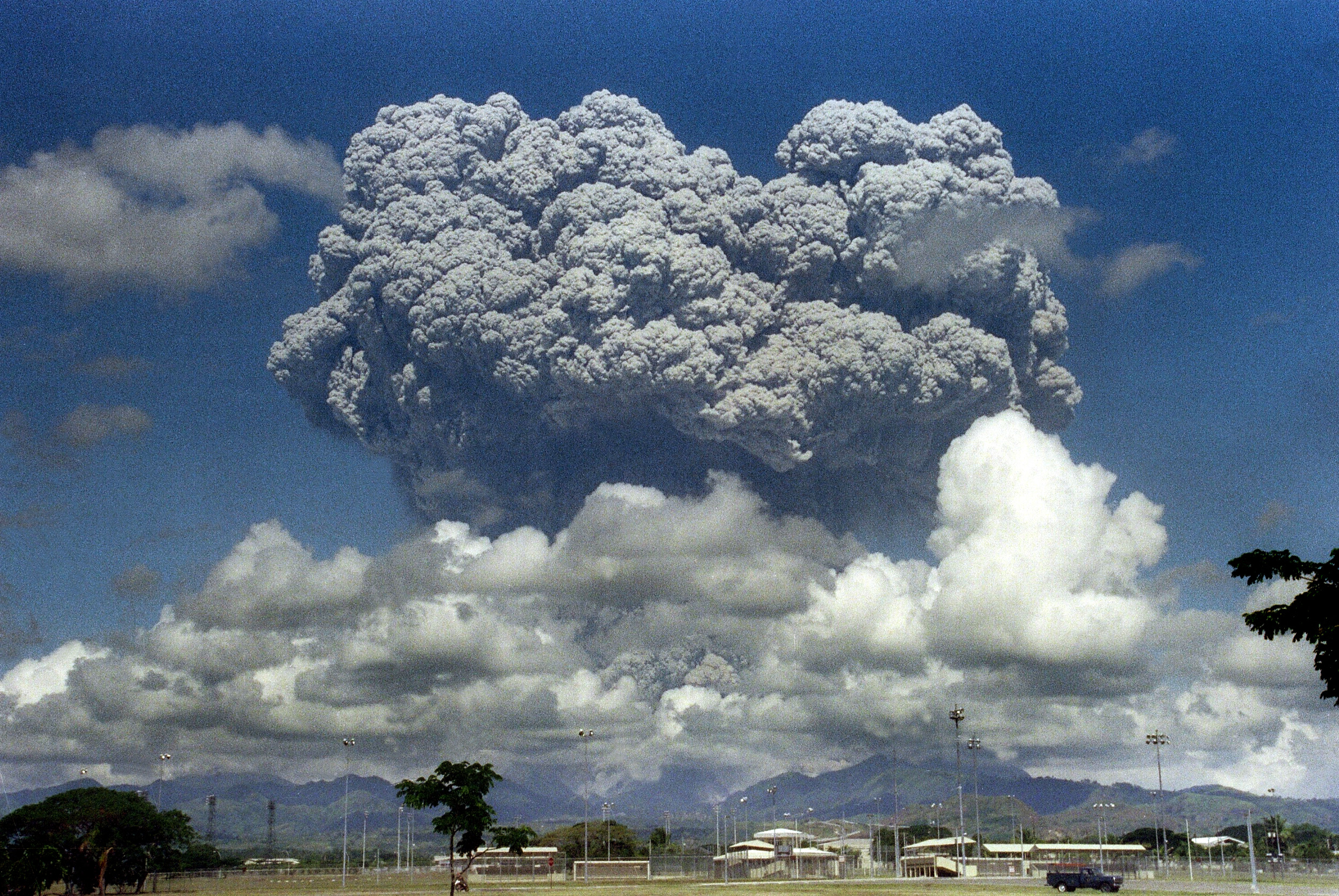
Sources
This is an original synthesis by Qivorane based on reporting from the outlets below.