
Agrivoltaics Boosts Efficiency
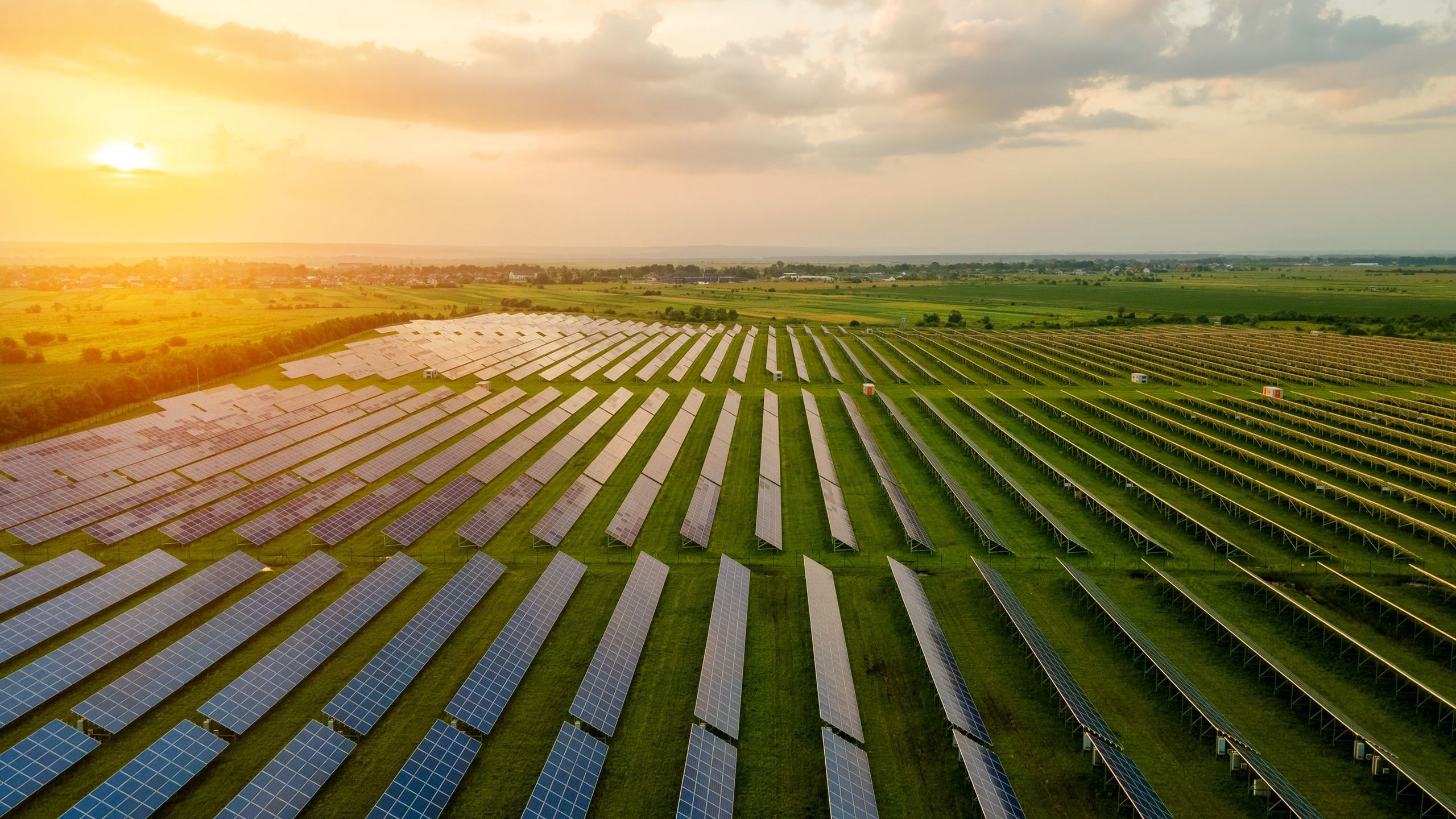
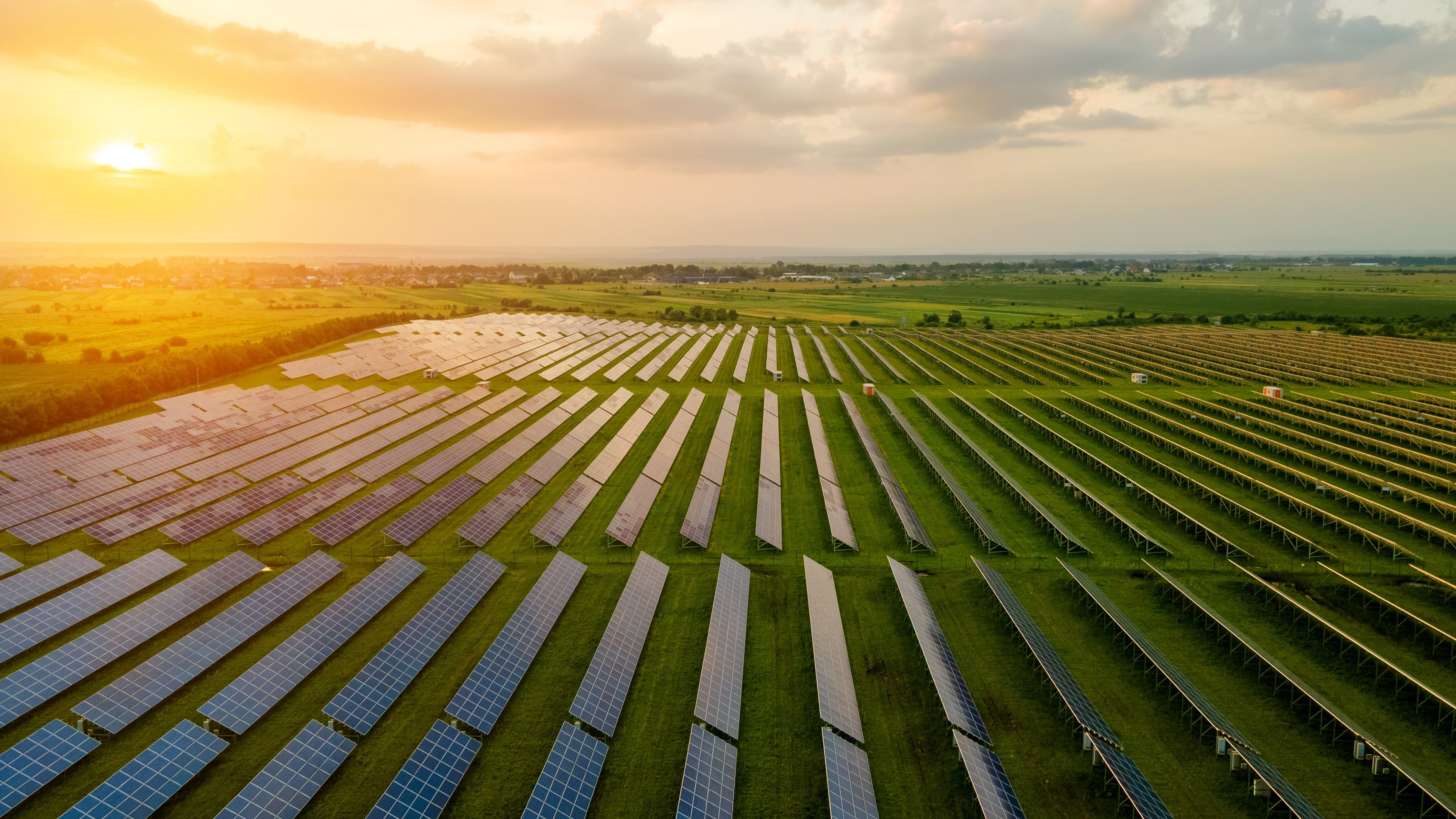
Agrivoltaics combines agriculture and solar panels, increasing efficiency and protecting plants.
Introduction To Agrivoltaics
Agrivoltaics, a concept that combines agriculture and photovoltaics, has been gaining attention in recent years as a potential solution to the growing demand for energy and food. By planting crops around or underneath rows of solar panels, agrivoltaics aims to promote more efficient land use, allowing for the production of both clean energy and crops on the same land. This approach has been shown to have several benefits, including shading and protecting certain crops, increasing soil moisture, and supporting both agriculture and clean energy production.
Understanding The Microclimates
Previous studies on agrivoltaics have focused on specific aspects of the process, such as light availability or crop growth. However, a new study by Hosseini et al. takes a more comprehensive approach by simulating the microclimates beneath solar panels and addressing the heat stress that workers might face in actual conditions. The researchers developed a model that simulates the interactions between solar panels, crops, soil, air and water movement, and carbon dioxide uptake. This model tracks how energy, momentum, and mass move through the agrivoltaic system, providing a more nuanced understanding of the complex relationships between these components.
Key Findings And Implications
The study applied the model to a hypothetical agrivoltaic tomato farm using weather data from a hot, humid day in Princeton, N.J. The results showed that tomatoes grown under solar panels experienced cooler leaf temperatures, reduced water loss, and increased carbon uptake compared to tomatoes grown in an open field. The solar panels themselves were also cooler during the daytime, allowing them to recover some of the efficiency lost during hotter temperatures. Additionally, the average perceived temperatures for humans decreased, implying important occupational health and safety benefits for farmworkers. These findings suggest that agrivoltaics can be a more efficient and sustainable way to produce both energy and food.
Real-World Applications And Future Outlook
The model developed by Hosseini et al. can be used to examine the benefits of agrivoltaic farms in different climates and crop combinations. This has significant implications for the future of energy and food production, particularly in densely populated regions where land use is a major concern. By promoting more efficient land use and reducing the environmental impact of energy production, agrivoltaics can play a crucial role in meeting the growing demand for energy and food while minimizing its effects on the environment. As the world continues to transition towards cleaner energy sources, agrivoltaics is an innovative approach that deserves further exploration and development.
Conclusion And Recommendations
In conclusion, the study by Hosseini et al. provides new insights into the benefits of agrivoltaics and its potential to promote more efficient land use. The findings of this study have significant implications for the future of energy and food production, and further research is needed to fully explore the potential of agrivoltaics. As the world continues to face the challenges of climate change, energy security, and food sustainability, innovative approaches like agrivoltaics can play a crucial role in creating a more sustainable future.
Sources
This is an original synthesis by Qivorane based on reporting from the outlets below.