
Roman Space Telescope Launches
NASA's Nancy Grace Roman Space Telescope launches into space, beginning its mission to study the universe.
Introduction To The Roman Space Telescope
The Nancy Grace Roman Space Telescope, named after NASA's first chief astronomer, has successfully launched into space aboard a SpaceX Falcon Heavy rocket from the Kennedy Space Center in Florida. This next-generation telescope is set to revolutionize our understanding of the universe, with a field of view far larger than the Hubble Space Telescope. According to NASA, the Roman Space Telescope will survey billions of stars and galaxies, helping scientists study dark energy, exoplanets, and the evolution of the universe.
Launch And Deployment
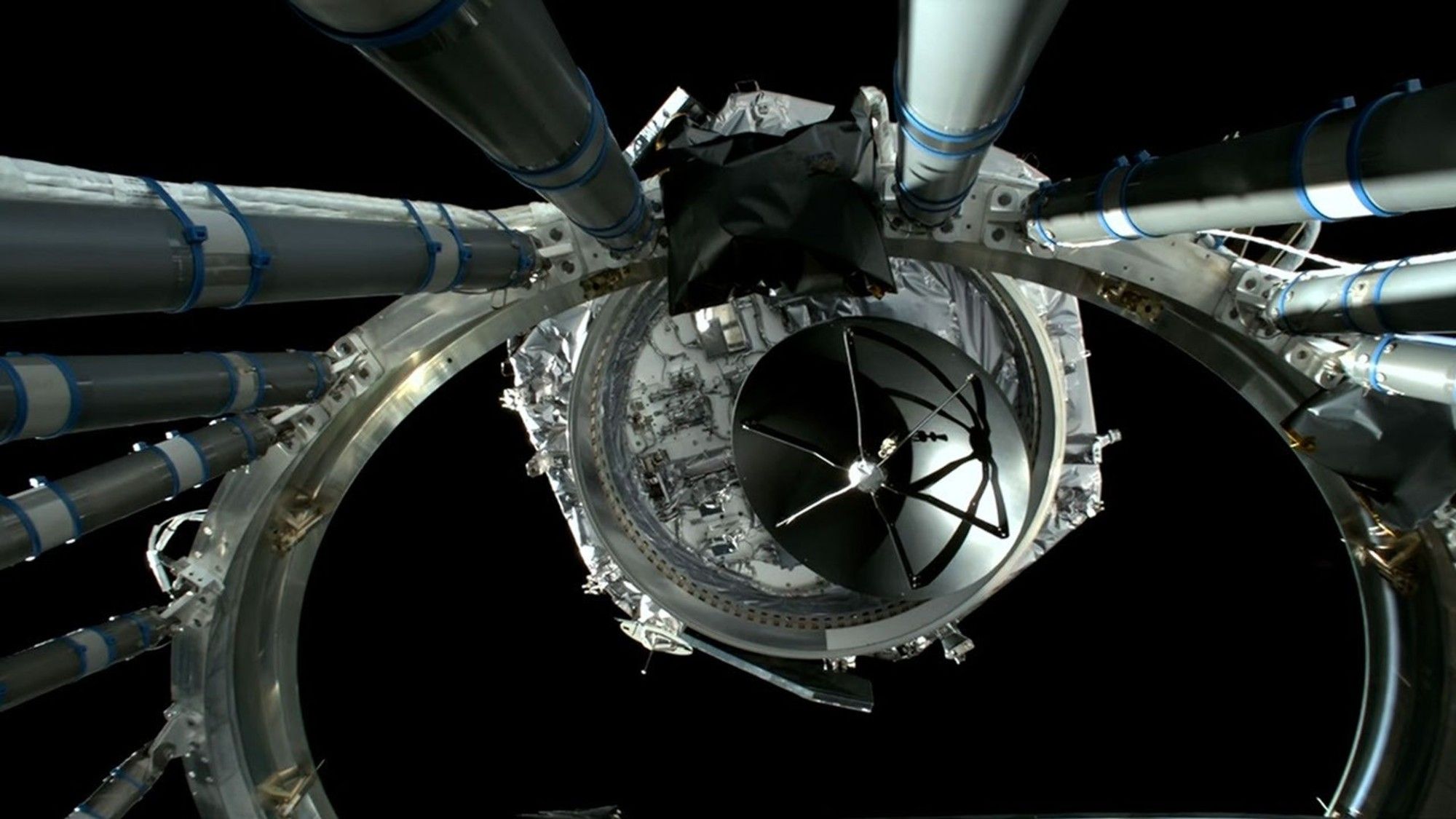
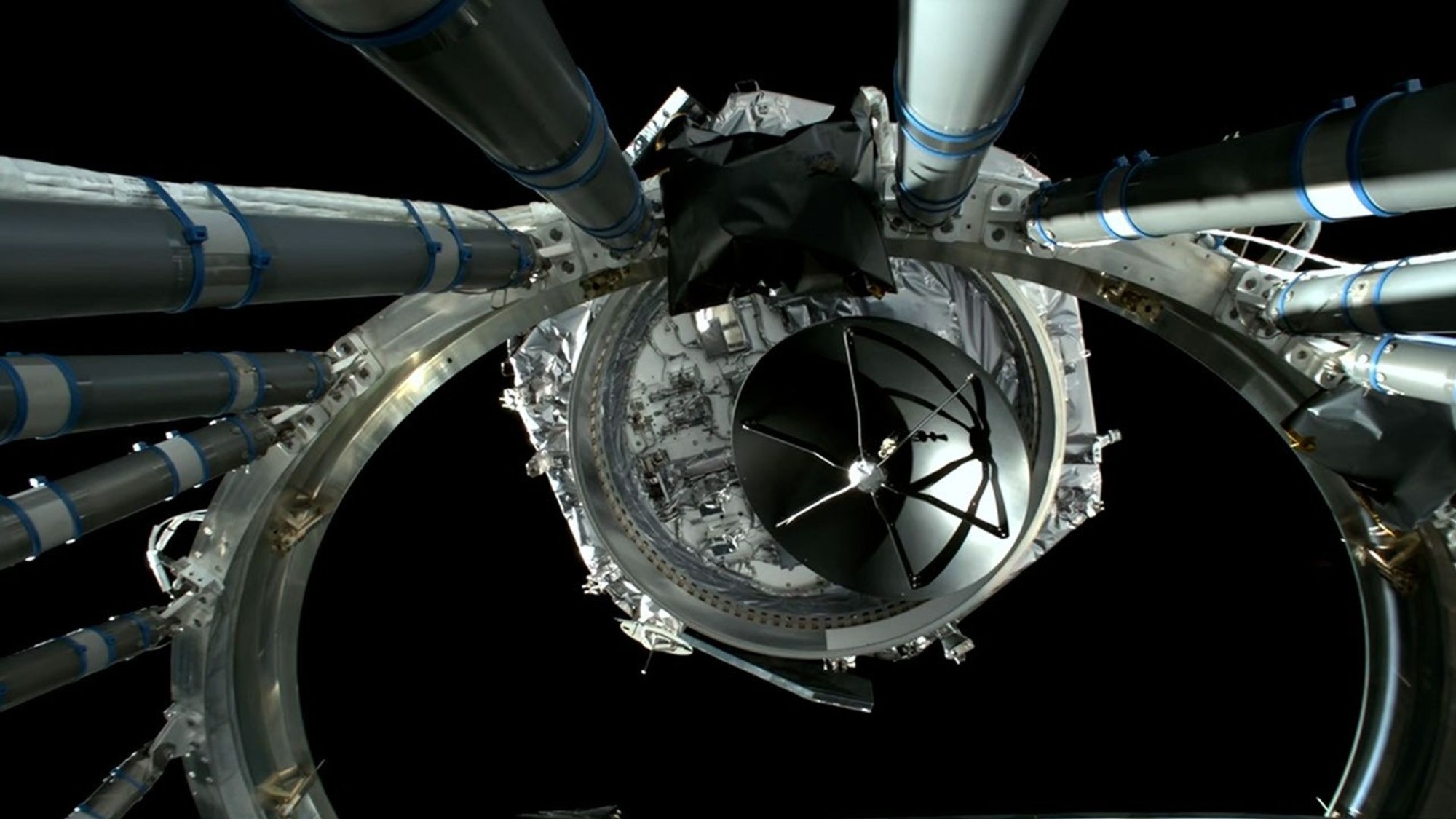
Just 31 minutes after launch, NASA captured a breathtaking image of the Roman Space Telescope deploying into space, separating from the upper stage of the SpaceX Falcon Heavy rocket. The photo shows the telescope's payload adapter in the foreground, with the orbital observatory floating into the blackness of space behind it, its solar arrays still folded for launch. The image also reveals the back of the telescope, featuring its High Gain Antenna (HGA) radiofrequency dish, which will be used to communicate with mission controllers on the ground and beam back groundbreaking science.
Mission Objectives And Timeline
The Roman Space Telescope will begin a 90-day commissioning period while traveling to sun-Earth Lagrange Point 2 (L2), a gravitationally stable parking spot in space between our planet and its star. Once fully commissioned, the telescope will start probing the universe for clues to unravel the mysteries of dark matter and dark energy, as well as hunting for exoplanets around distant stars. This mission is the culmination of two decades of work from NASA and its contractors, who developed and built the $4 billion telescope ahead of schedule and under budget.
Scientific Significance And Implications
The Roman Space Telescope's mission is expected to have a significant impact on our understanding of the universe. With its large field of view and advanced instruments, the telescope will be able to study the universe in unprecedented detail. The discovery of exoplanets and the study of dark energy will help scientists better understand the evolution and fate of the universe. The telescope's findings will also have important implications for the search for life beyond Earth and the understanding of the fundamental laws of physics.
Conclusion And Future Outlook
The successful launch and deployment of the Roman Space Telescope mark an exciting new chapter in space exploration. As the telescope begins its mission, scientists and astronomers around the world are eagerly awaiting the groundbreaking discoveries that it will make. With its advanced technology and ambitious mission objectives, the Roman Space Telescope is set to revolutionize our understanding of the universe and inspire new generations of scientists and explorers.
Sources
This is an original synthesis by Qivorane based on reporting from the outlets below.