
Mars Thermal Anomaly
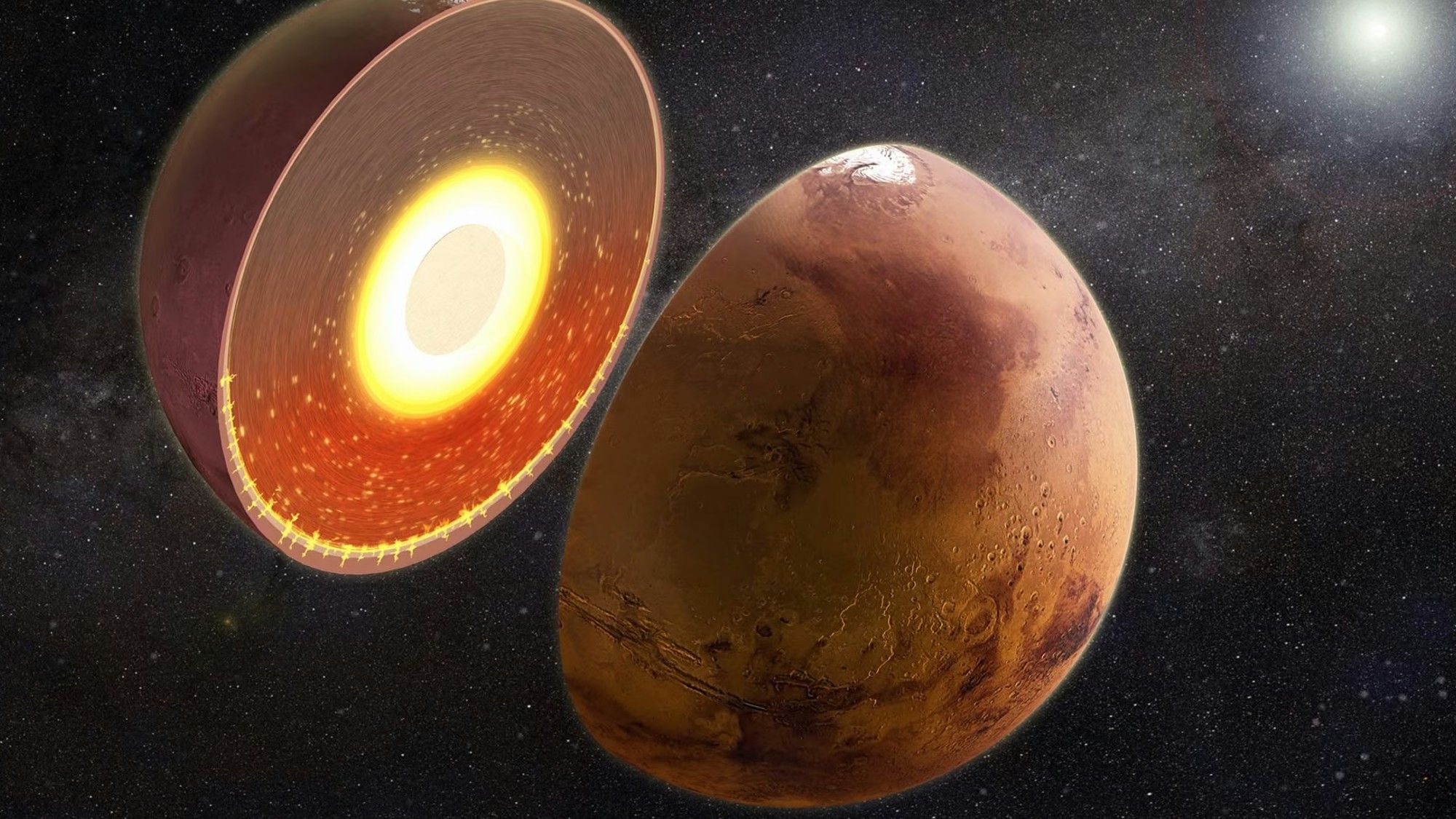
Scientists discover massive thermal anomaly beneath Mars' surface, with southern hemisphere 200-400°C hotter than north.
Introduction To Mars' Thermal Anomaly
Scientists have made a groundbreaking discovery about the planet Mars, revealing a massive "thermal anomaly" beneath its surface. This finding suggests that the interior of Mars is not symmetric, with the southern hemisphere being significantly hotter than the northern hemisphere. The temperature difference is estimated to be around 200 to 400 degrees Celsius, making the southern mantle partially molten. This discovery has significant implications for our understanding of Mars' geologic history, including its potential to support life.Background And Research Methodology
The research team, led by Alexander Berne, used a technique called "tidal tomography" to study the gravitational field surrounding Mars. This method involves analyzing subtle variations in gravity to estimate the internal structure of a planetary body. The team used data from three NASA spacecraft: Mars Global Surveyor, Mars Odyssey, and Mars Reconnaissance Orbiter. By tracking small changes in the spacecraft's velocities, the team was able to reconstruct the gravitational field surrounding Mars and build a model of the planet's interior.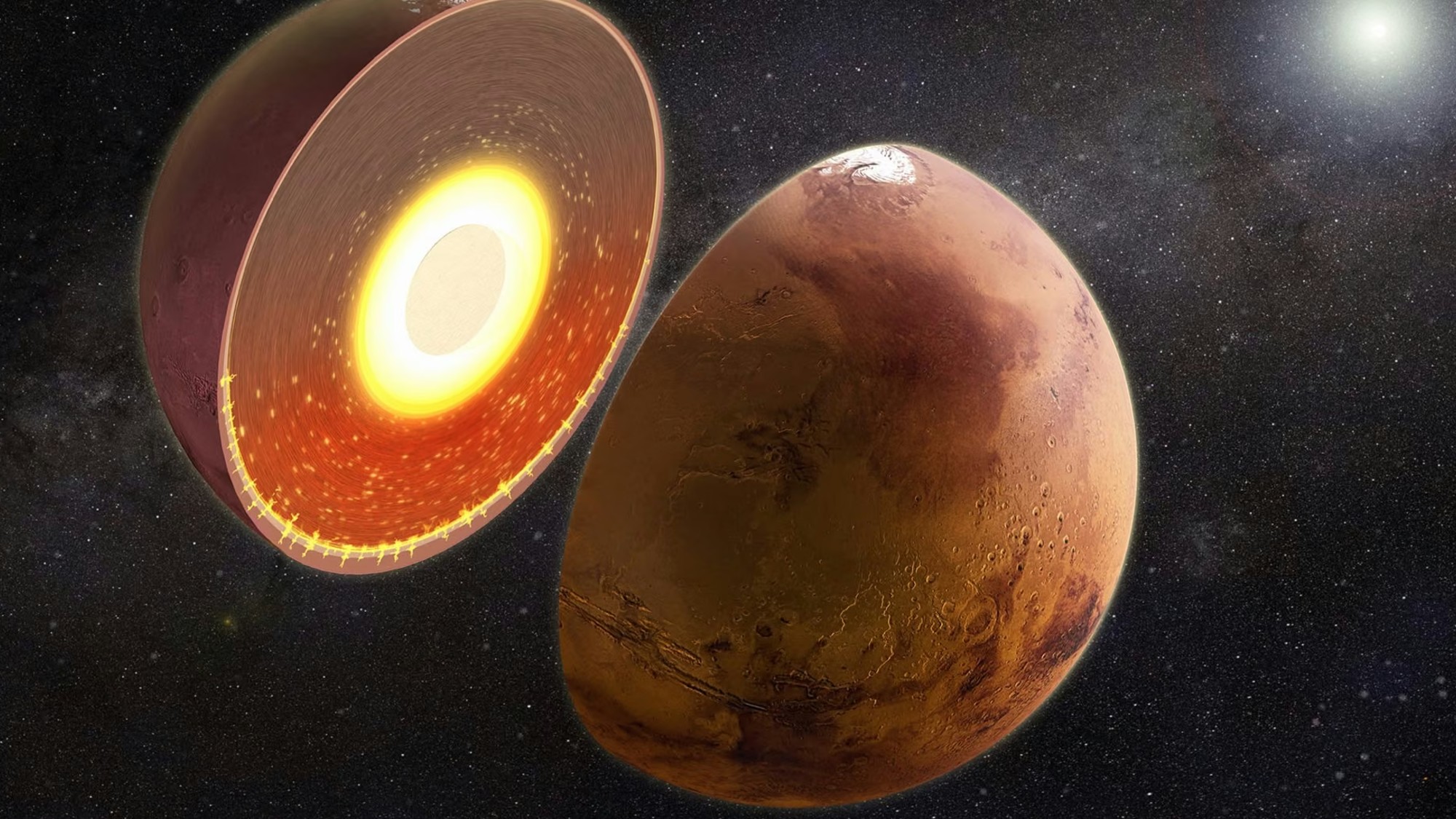
Implications And Future Outlook
The discovery of the thermal anomaly has significant implications for our understanding of Mars' geologic history. The hotter southern mantle could explain several puzzling features of Mars, including unusual magnetic signatures in iron-rich minerals and the rapid dissipation of seismic waves in the south. The temperature difference could also provide clues about how Mars evolved and how its landscape developed during periods when liquid water may have existed on the surface. Understanding the interior structure of planetary bodies like Mars is crucial for designing future missions and scientific exploration of these worlds.Comparison Of Sources And Findings
Both sources [1] and [2] report on the discovery of the thermal anomaly beneath Mars' surface. However, source [1] provides more details on the research methodology, including the use of tidal tomography and the analysis of archival data from NASA spacecraft. Source [2] provides more context on the implications of the discovery, including its potential to explain puzzling features of Mars and its significance for understanding the planet's geologic history. The findings of both sources are consistent, with both reporting a temperature difference of around 200 to 400 degrees Celsius between the southern and northern hemispheres.Real-World Implications And Future Research
The discovery of the thermal anomaly has significant implications for future research on Mars. Understanding the interior structure of the planet is crucial for designing future missions and scientific exploration of the Martian surface. The finding also raises questions about the potential for life on Mars, both in the past and present. Further research is needed to determine the cause of the thermal anomaly and its implications for Mars' geologic history.
Conclusion And Future Directions
In conclusion, the discovery of the thermal anomaly beneath Mars' surface is a significant finding that has implications for our understanding of the planet's geologic history and potential to support life. Further research is needed to determine the cause of the anomaly and its implications for Mars' evolution. The finding highlights the importance of continued exploration and research on Mars, including the use of advanced techniques like tidal tomography to study the planet's interior structure.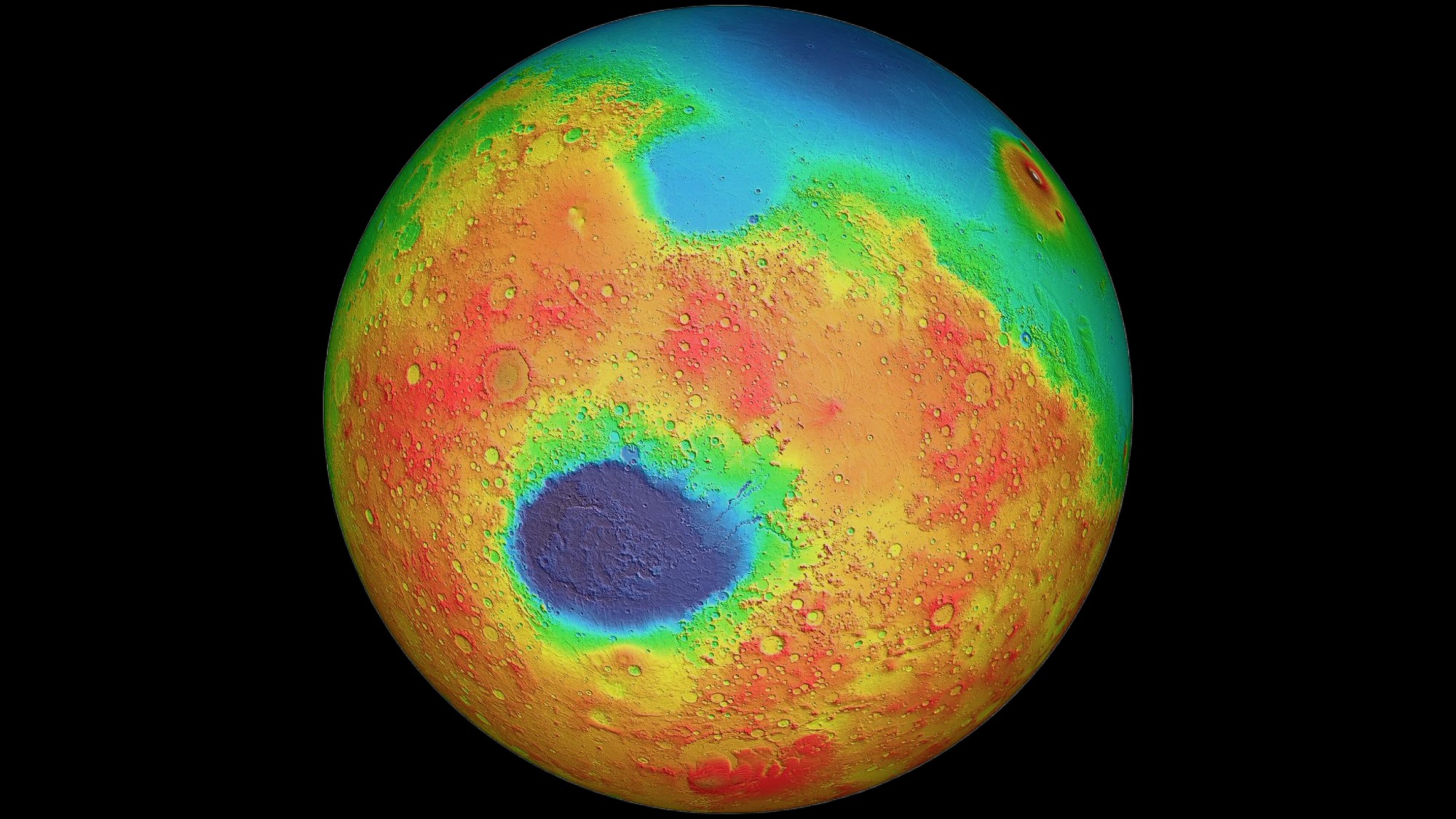
Sources
This is an original synthesis by Qivorane based on reporting from the outlets below.