
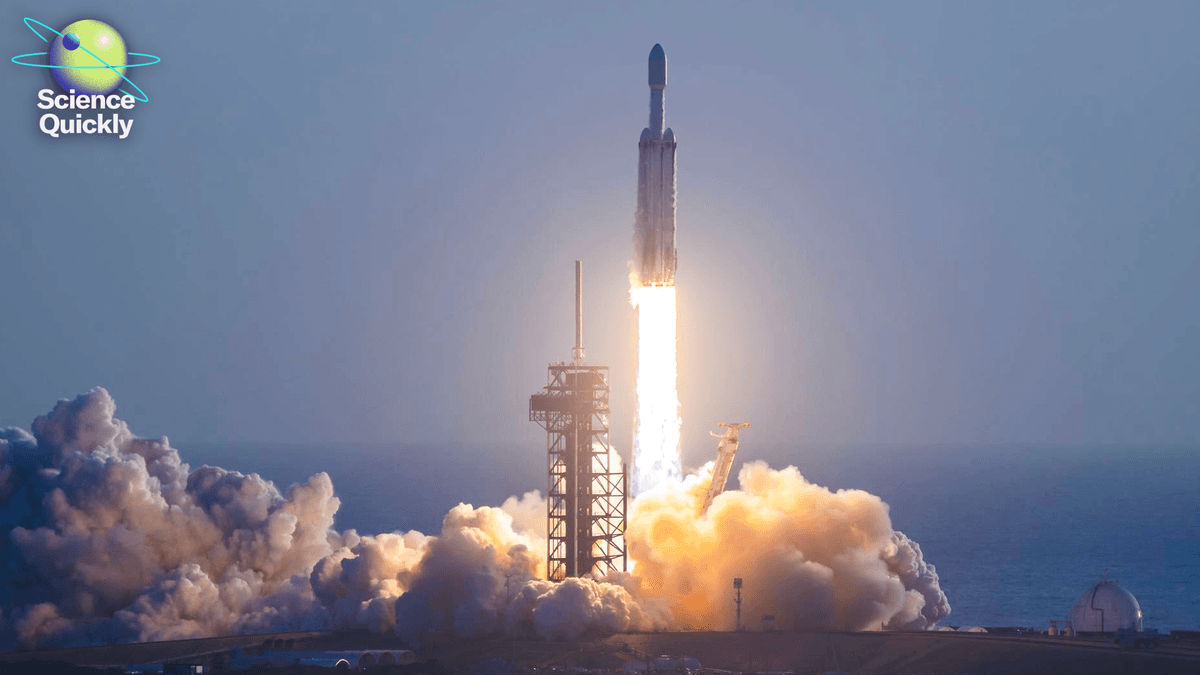
NASA Roman Space Telescope Launch
NASA launches Roman Space Telescope to explore dark energy and distant worlds
Introduction To The Roman Space Telescope
The Nancy Grace Roman Space Telescope, launched on August 30, 2026, from NASA's Kennedy Space Center in Florida, is on a mission to probe dark energy, hunt for distant worlds, and transform our view of the universe. This space observatory is expected to make significant contributions to our understanding of the universe, including the discovery of thousands of new exoplanets and shedding light on dark matter and dark energy. The Roman Space Telescope is equipped with advanced technology, including a wide-field instrument and a coronagraph, which will enable it to conduct detailed surveys of the universe and capture high-resolution images of distant planets and stars.The Science Behind The Roman Space Telescope
The Roman Space Telescope is designed to address three main science questions: the discovery of dark energy, the study of exoplanets, and the conduct of wide-field, near-infrared surveys. To accomplish these tasks, the telescope is equipped with a wide-field instrument that can observe hundreds of millions of stars across the galaxy and detect subtle changes in starlight. The telescope will use three methods to detect exoplanets: transits, microlensing, and direct imaging. Transits involve measuring the momentary dips in starlight that occur when a planet crosses its host star, while microlensing involves detecting the subtle changes in starlight that occur when a planet passes in front of a background star. Direct imaging involves capturing detailed images of the dusty disks surrounding nearby stars, which can reveal the presence of planets.The Launch And Mission Overview
The Roman Space Telescope was launched on a SpaceX Falcon Heavy rocket and is currently on a month-long journey to its final destination, the Lagrange Point 2 (L2), which is more than 900,000 miles away from Earth. The telescope is expected to begin its science operations in the coming months and will conduct a 5-year mission to explore the universe. During its mission, the Roman Space Telescope will add thousands of new exoplanets to the current catalog, including Jupiter-like gas planets and smaller, colder worlds. The telescope will also gather data that will help astronomers understand the diversity, properties, and evolution of distant planetary systems.The Significance Of The Roman Space Telescope
The Roman Space Telescope is a significant milestone in the exploration of the universe, and its discoveries are expected to have a major impact on our understanding of the cosmos. The telescope's ability to detect thousands of new exoplanets will provide valuable insights into the formation and evolution of planetary systems, while its study of dark energy and dark matter will shed light on the mysterious forces that shape the universe. The Roman Space Telescope is also expected to make significant contributions to the field of astrophysics, enabling scientists to study the properties of stars, galaxies, and other celestial objects in unprecedented detail.Challenges And Controversies
Despite its significance, the Roman Space Telescope has faced several challenges and controversies during its development. The mission was initially proposed for cancellation by the Trump administration, which attempted to restrict funding for the project on several occasions. However, Congress rejected these proposals and kept the mission funded. The telescope's launch was also marked by a surprise phone call from President Trump, who congratulated the mission team on their success despite his earlier attempts to cancel the project.Future Outlook
The Roman Space Telescope is expected to make significant contributions to our understanding of the universe, and its discoveries will have a major impact on the field of astrophysics. As the telescope begins its science operations, scientists will be eagerly awaiting its findings, which will provide valuable insights into the formation and evolution of the universe. With its advanced technology and cutting-edge instrumentation, the Roman Space Telescope is poised to make a major breakthrough in our understanding of the cosmos.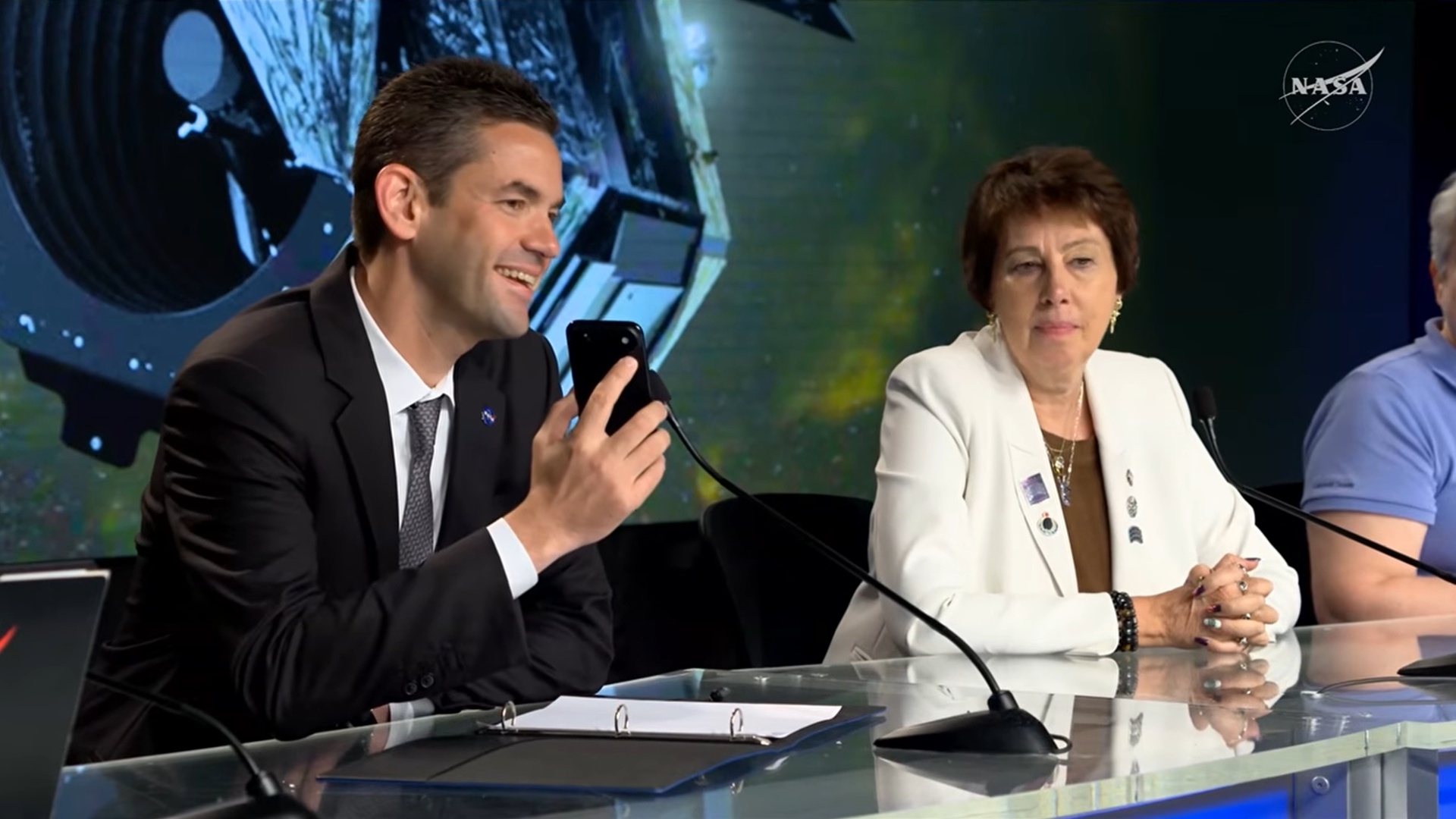
Sources
This is an original synthesis by Qivorane based on reporting from the outlets below.
- [1] Scientific American: NASA launches Roman Space Telescope to explore dark energy and distant worlds
- [2] Discover Magazine: Roman Could Find Thousands of New Worlds — Here’s How the Telescope Hunts for Exoplanets
- [3] Space.com: Trump calls in to NASA press conference to celebrate launch of Roman Space Telescope, a mission he tried to cancel