
Roman Space Telescope Bound for L2
NASA's Roman Space Telescope to study exoplanets and galaxy at L2 Lagrange point
Introduction to the Roman Space Telescope
The Nancy Grace Roman Space Telescope, scheduled to launch on August 30, 2026, will embark on a journey to a unique location in space, the second Sun-Earth Lagrange point (L2), approximately 930,000 miles from Earth. This strategic position will enable the telescope to maintain a stable temperature and an unobstructed view of the universe, allowing it to conduct groundbreaking research.The Significance of the L2 Lagrange Point
The L2 point is one of five Lagrange points in the Sun-Earth system, where the gravitational forces of the Sun and Earth balance the orbital motion of an object. Although it's often described as a point where gravity "balances," the Sun and Earth actually pull a spacecraft at L2 generally back toward the Sun. However, Earth's additional gravitational pull enables the spacecraft to keep pace with the planet, completing its orbit around the Sun in approximately the same amount of time. This location is particularly useful for telescopes like the Roman Space Telescope, which need to look away from the Sun while remaining relatively close to Earth.The Roman Space Telescope's Mission
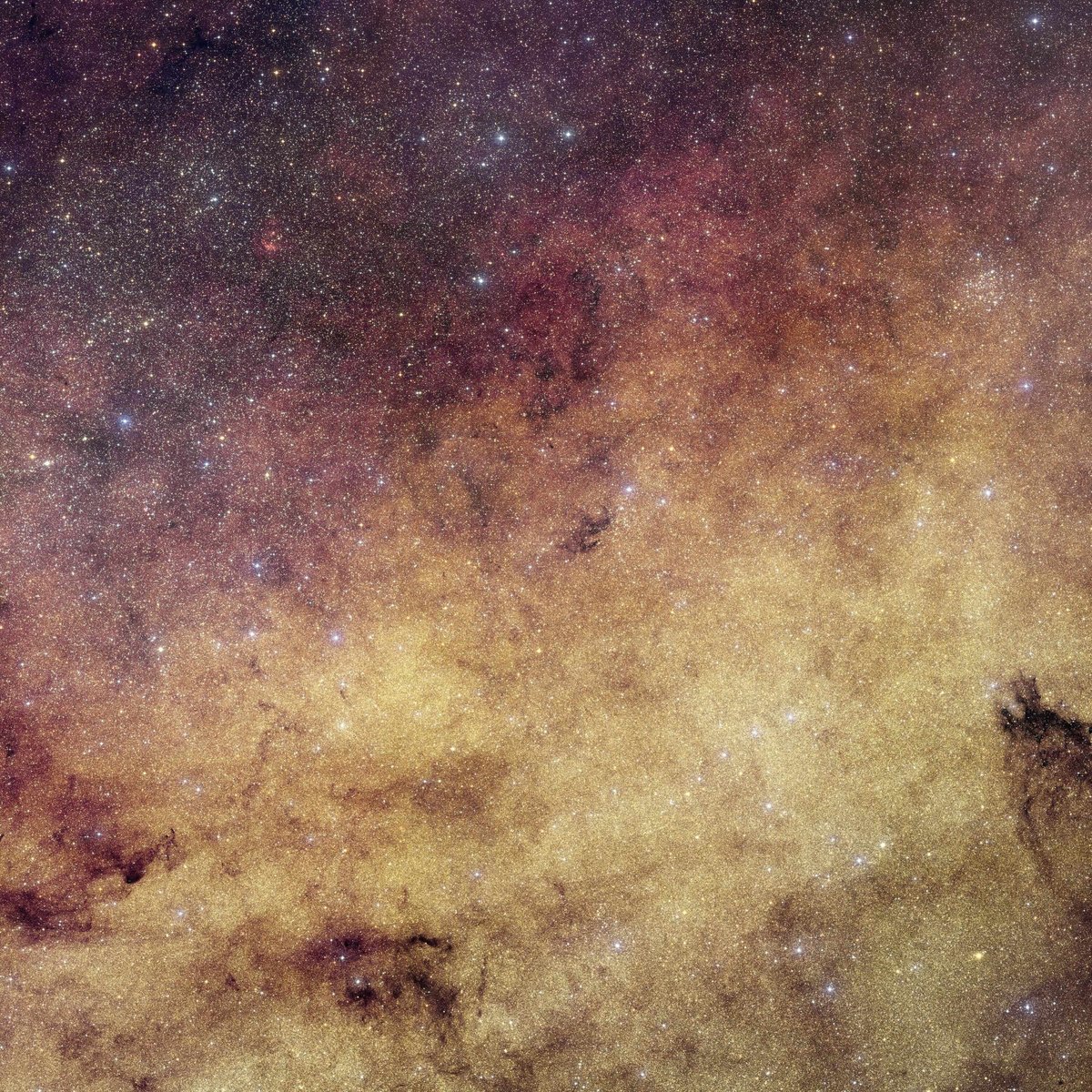
One of the primary objectives of the Roman Space Telescope is to conduct an unprecedentedly long stare into the star-packed heart of the Milky Way, known as the galactic bulge. The telescope will spend more than a quarter of its planned five-year primary mission observing this region, which is roughly eight full moons in size. By monitoring hundreds of millions of stars, the telescope will be able to detect rare and fleeting events, such as microlensing, which occurs when a background star's light is briefly warped and amplified by the gravitational fields of foreground objects. This technique is sensitive to exoplanets with Earth-like dimensions, potentially allowing astronomers to determine whether such objects are common or rare in the galaxy.The Science Behind Microlensing
Microlensing events are rare, but the Roman Space Telescope's ability to observe hundreds of millions of stars will make these events more common. The telescope will be able to detect the brief blips in starlight caused by exoplanets, potentially revealing the presence of Earth-like worlds. However, the downside to microlensing is that each chance alignment is a one-off event, meaning that few if any found worlds will ever be amenable to follow-up studies. In addition to microlensing, the telescope will also be looking for other planet-induced fluctuations in starlight, such as transits, which recur again and again, allowing transiting systems to be studied more over time.The Future of Exoplanet Research
The Roman Space Telescope's mission will provide valuable insights into the prevalence of exoplanets in the galaxy, particularly those with Earth-like dimensions. By combining data from microlensing and transit events, astronomers will be able to better understand the formation and evolution of planetary systems. The telescope's findings will also have significant implications for the search for life beyond Earth, as the discovery of exoplanets with conditions similar to those of our own planet will increase the chances of finding biosignatures.Conclusion and Implications
The Roman Space Telescope's journey to the L2 Lagrange point will mark the beginning of a new era in exoplanet research. By leveraging the unique advantages of this location, the telescope will be able to conduct groundbreaking research, potentially revealing the presence of Earth-like exoplanets in the galaxy. As the telescope begins its mission, astronomers and scientists will be eagerly awaiting the results, which will have significant implications for our understanding of the universe and the search for life beyond Earth.Sources
This is an original synthesis by Qivorane based on reporting from the outlets below.