
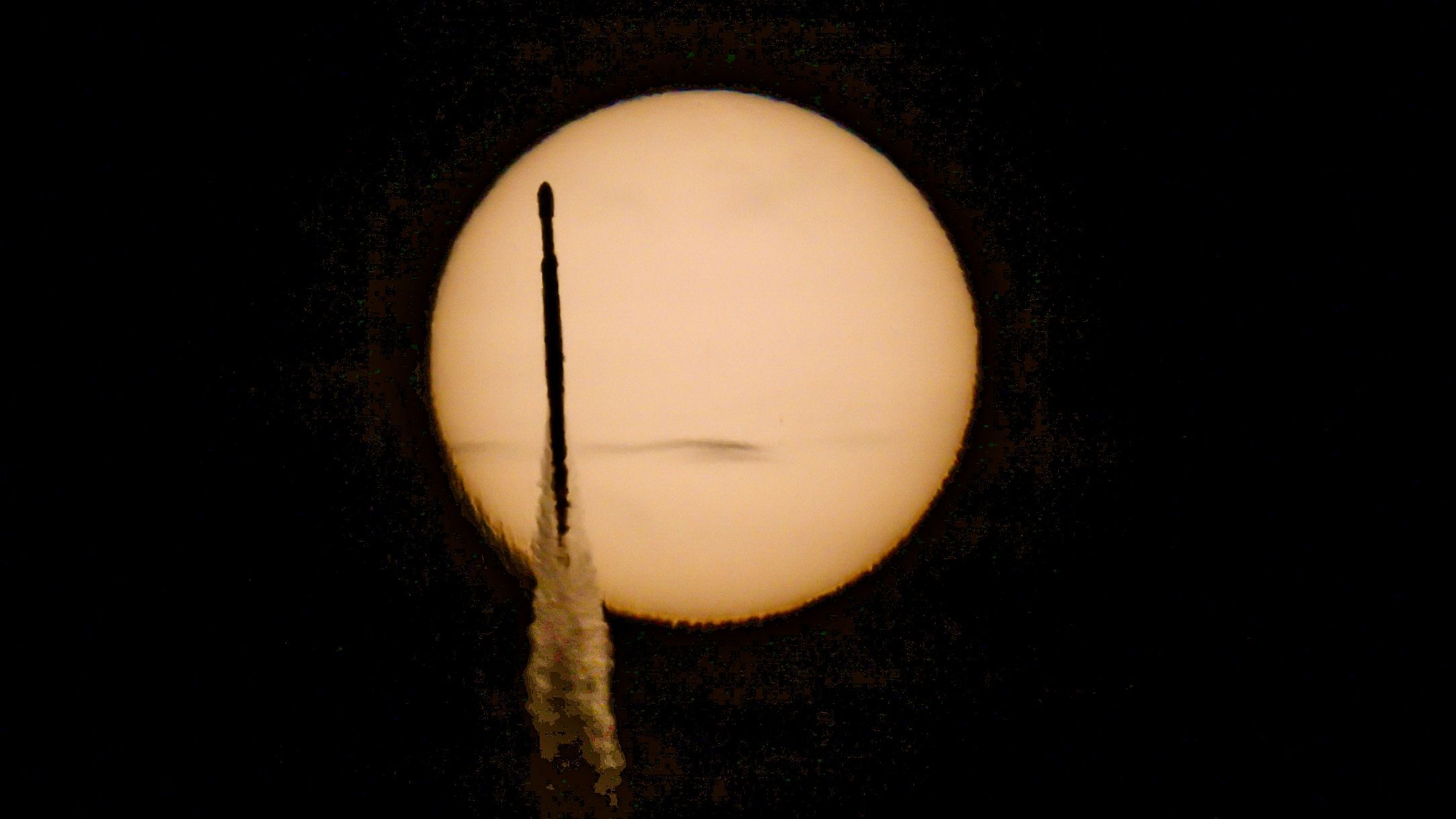
NASA's Roman Space Telescope Launches
NASA's Roman Space Telescope launches into space, beginning a new era in astronomy
Introduction To The Roman Space Telescope
The Nancy Grace Roman Space Telescope has successfully launched into space aboard a SpaceX Falcon Heavy rocket, marking the beginning of a new era in astronomy. This telescope is designed to study the universe on a vast scale, capturing images that are too large to be displayed on any 4K TV. The Roman Space Telescope is named after NASA's first chief astronomer, Nancy Grace Roman, who played a crucial role in the development of the Hubble Space Telescope.The Launch And Deployment
The launch of the Roman Space Telescope occurred at 7:26 a.m. EDT on August 30, 2026, from Launch Complex 39A at the Kennedy Space Center in Florida. The SpaceX Falcon Heavy rocket carried the telescope into space, with its two side boosters separating and returning to Earth for a landing. The core booster continued onward, delivering the telescope to its destination. The Roman Space Telescope will operate from the second sun-Earth Lagrange point, where the gravitational pulls of the sun and Earth balance each other, allowing for constant communication with the telescope.Scientific Objectives And Instrumentation
The Roman Space Telescope is equipped with a Wide Field Instrument (WFI) that will capture extremely wide images of the universe, and a coronagraph that will enable the telescope to observe exoplanets with unprecedented sensitivity. The telescope's main survey will take at least a year to complete and will produce images that are 100 times wider than those of the Hubble Space Telescope. The Roman Space Telescope will probe the nature of dark energy and dark matter, and will conduct a revolutionary census of planets around other stars.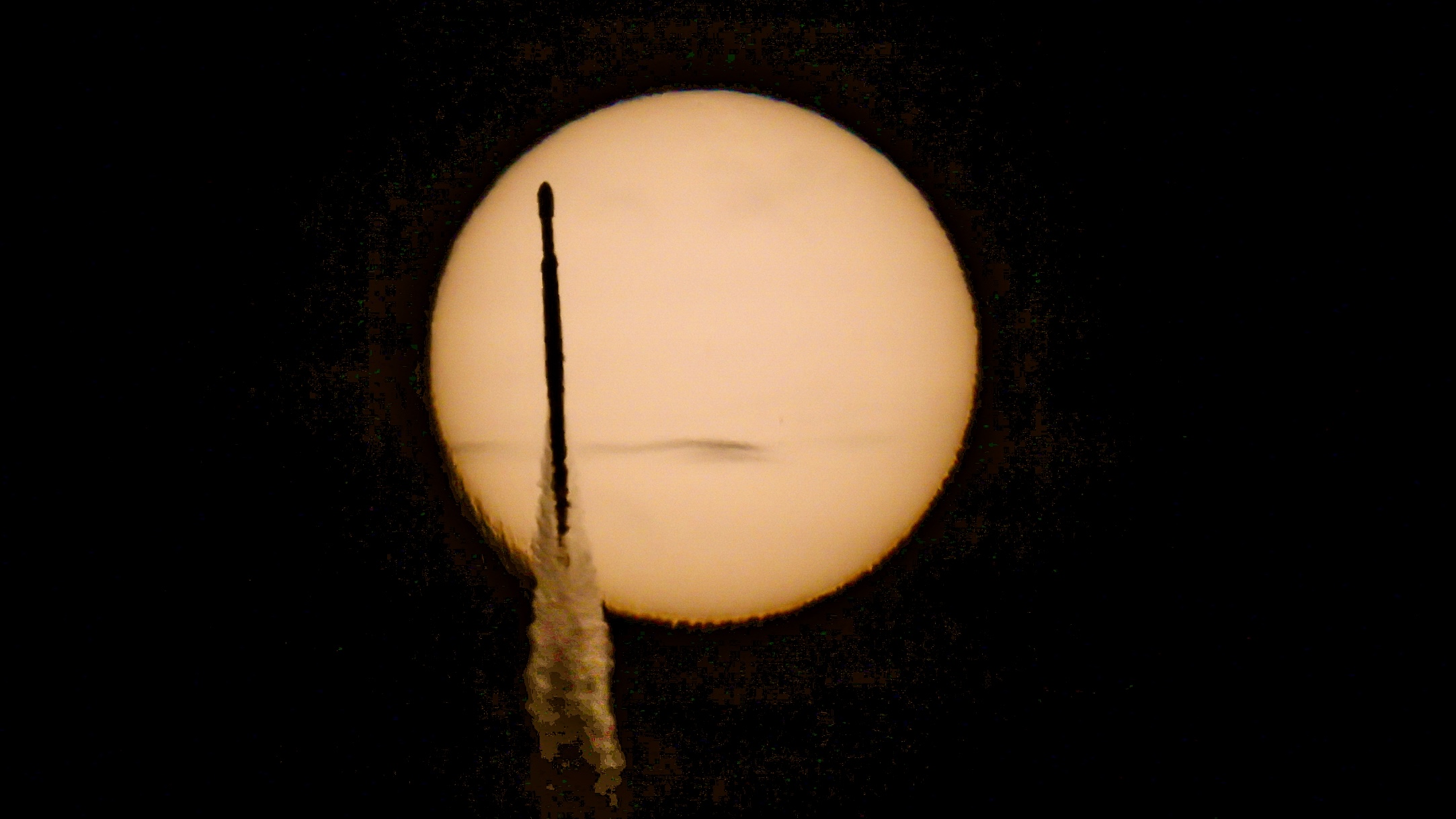
Expected Outcomes And Discoveries
The Roman Space Telescope is expected to make groundbreaking discoveries in the fields of dark matter and dark energy, exoplanet detection, and star formation. The telescope's coronagraph will enable the detection of exoplanets that are 100 million times fainter than their stars. The Roman Space Telescope will also study the formation of galaxies and the evolution of the universe. According to Julie McEnery, Roman's senior project scientist, the telescope's most exciting observations will be entirely unpredictable, and will likely reveal new and unexpected phenomena.The Future Of Astronomy
The Roman Space Telescope will join the Hubble Space Telescope and the James Webb Space Telescope in revealing the universe in ways we have never seen before. The telescope's initial science mission will last for five years, and will produce a vast amount of data that will be used to study the universe. The Roman Space Telescope is a significant step forward in our understanding of the cosmos, and will pave the way for future astronomical discoveries.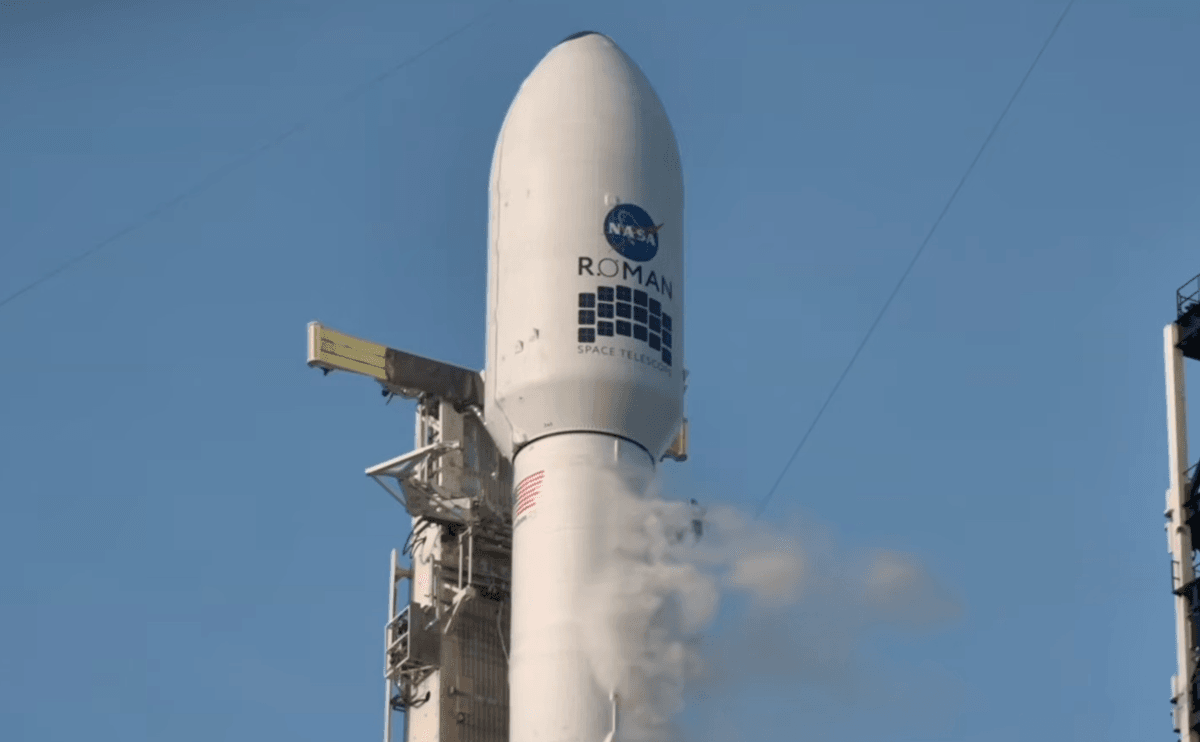
Conclusion And Next Steps
The launch of the Roman Space Telescope marks the beginning of a new era in astronomy, and will enable scientists to study the universe in unprecedented detail. The telescope's advanced instrumentation and vast field of view will allow for groundbreaking discoveries to be made, and will pave the way for future astronomical research. As the Roman Space Telescope begins its mission, scientists and astronomers around the world are eagerly awaiting the first images and data from the telescope, which are expected to be released in early 2027.Sources
This is an original synthesis by Qivorane based on reporting from the outlets below.