

Roman Space Telescope Launch
NASA's Roman Space Telescope launches to study dark matter and exoplanets
Introduction to the Nancy Grace Roman Space Telescope
The Nancy Grace Roman Space Telescope is set to launch on August 30, 2026, aboard a SpaceX Falcon Heavy rocket, marking the beginning of a new era in space exploration. This highly anticipated mission aims to unravel some of the universe's most enduring mysteries, including the nature of dark matter and the discovery of Earth-like planets. With its impressive field of view, 100 times larger than Hubble's, the Roman Space Telescope will be able to collect vast quantities of data quickly, allowing astronomers to study large areas of the sky and explore cutting-edge questions in astrophysics.The Launch and Mission Timeline
The launch is scheduled to take place at 7:26 a.m. EDT from Launch Complex 39A at the Kennedy Space Center in Florida. A launch livestream will begin about one hour before liftoff, and NASA will provide a webcast that will run through the launch and a post-launch briefing. The Roman Space Telescope will travel 930,000 miles to the second Sun-Earth Lagrange point (L2), a location where the orbital motion of an object and the gravity of the Earth and the sun balance each other out, providing a constant and unobstructed view of the sky.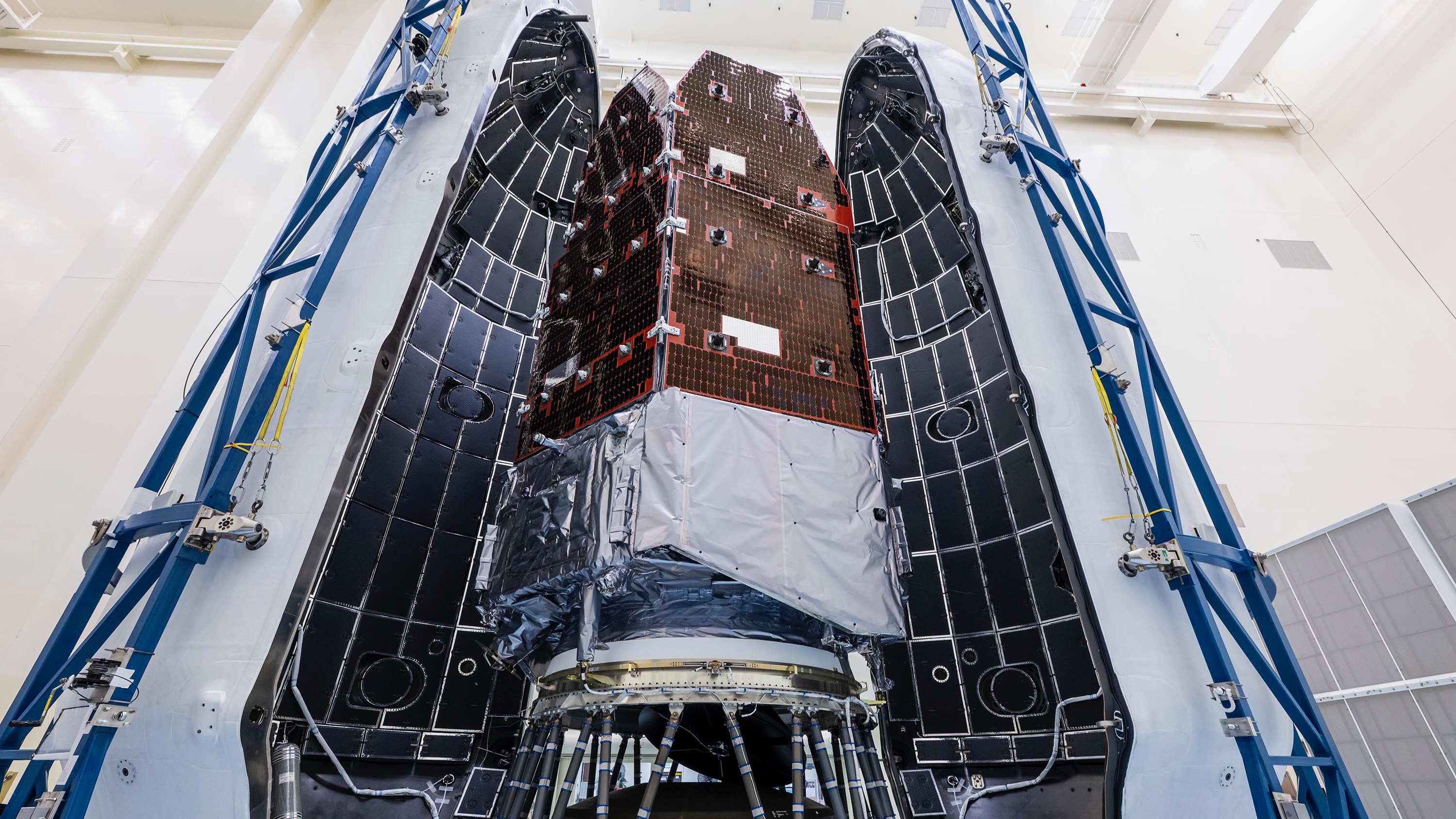
What Makes the Roman Space Telescope Unique
The Roman Space Telescope boasts two instruments: the Wide Field Instrument, a 300-megapixel camera with the same resolution as Hubble but a field of view 100 times larger, and the coronagraph, a complex system of optics, masks, mirrors, and sensors designed to capture direct images of distant worlds. During its five-year mission, the Roman Space Telescope is expected to image 50 times as much sky as Hubble did in 30 years, providing astronomers with a wealth of data to study dark energy, dark matter, and exoplanets.
Investigating Dark Matter and Other Cosmic Mysteries
One of the primary goals of the Roman Space Telescope is to investigate dark matter, a phenomenon that remains poorly understood despite decades of research. By taking incredibly detailed 3D scans, the telescope will help astronomers measure dark matter's gravity effects and narrow down the list of potential candidates. The Roman Space Telescope will also study galaxy formation in the early universe, which could provide clues about the nature of dark matter. Additionally, the telescope will search for exoplanets, map billions of galaxies, and study black holes, providing a wealth of new information about the universe.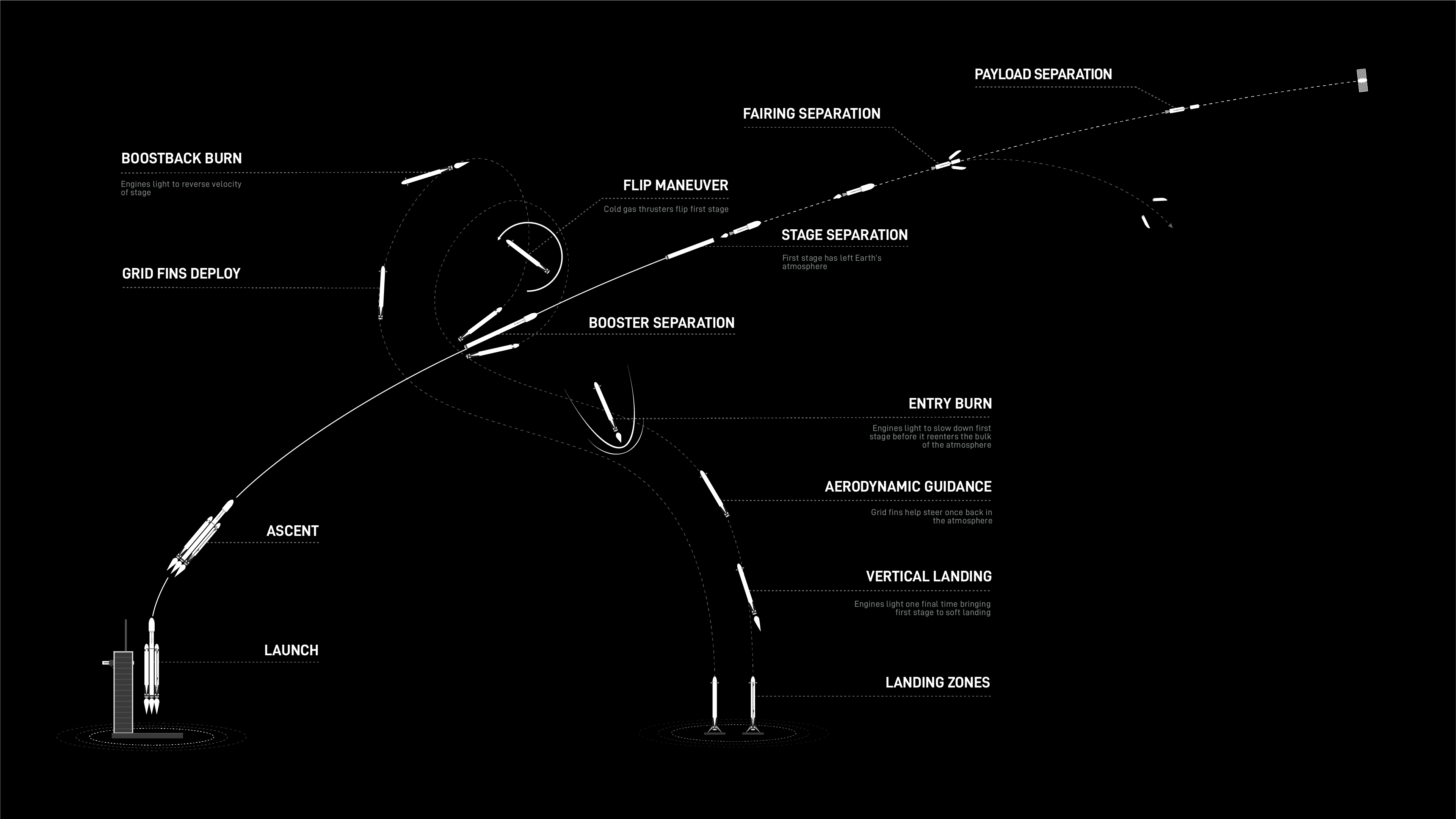
The Future of Space Exploration
The launch of the Nancy Grace Roman Space Telescope marks an exciting new chapter in space exploration, one that promises to reveal new insights into the universe and its many mysteries. As the telescope travels to its destination and begins its mission, astronomers and scientists around the world will be eagerly awaiting the wealth of data it will provide. With its advanced instruments and unique location, the Roman Space Telescope is poised to make significant contributions to our understanding of the universe, from the nature of dark matter to the discovery of new worlds.
Conclusion
The Nancy Grace Roman Space Telescope is a groundbreaking mission that will push the boundaries of our knowledge about the universe. With its impressive field of view, advanced instruments, and unique location, the telescope is poised to make significant contributions to our understanding of dark matter, exoplanets, and the universe as a whole. As the telescope launches and begins its mission, scientists and astronomers around the world will be eagerly awaiting the wealth of data it will provide, and the new insights it will reveal about the cosmos.Sources
This is an original synthesis by Qivorane based on reporting from the outlets below.