
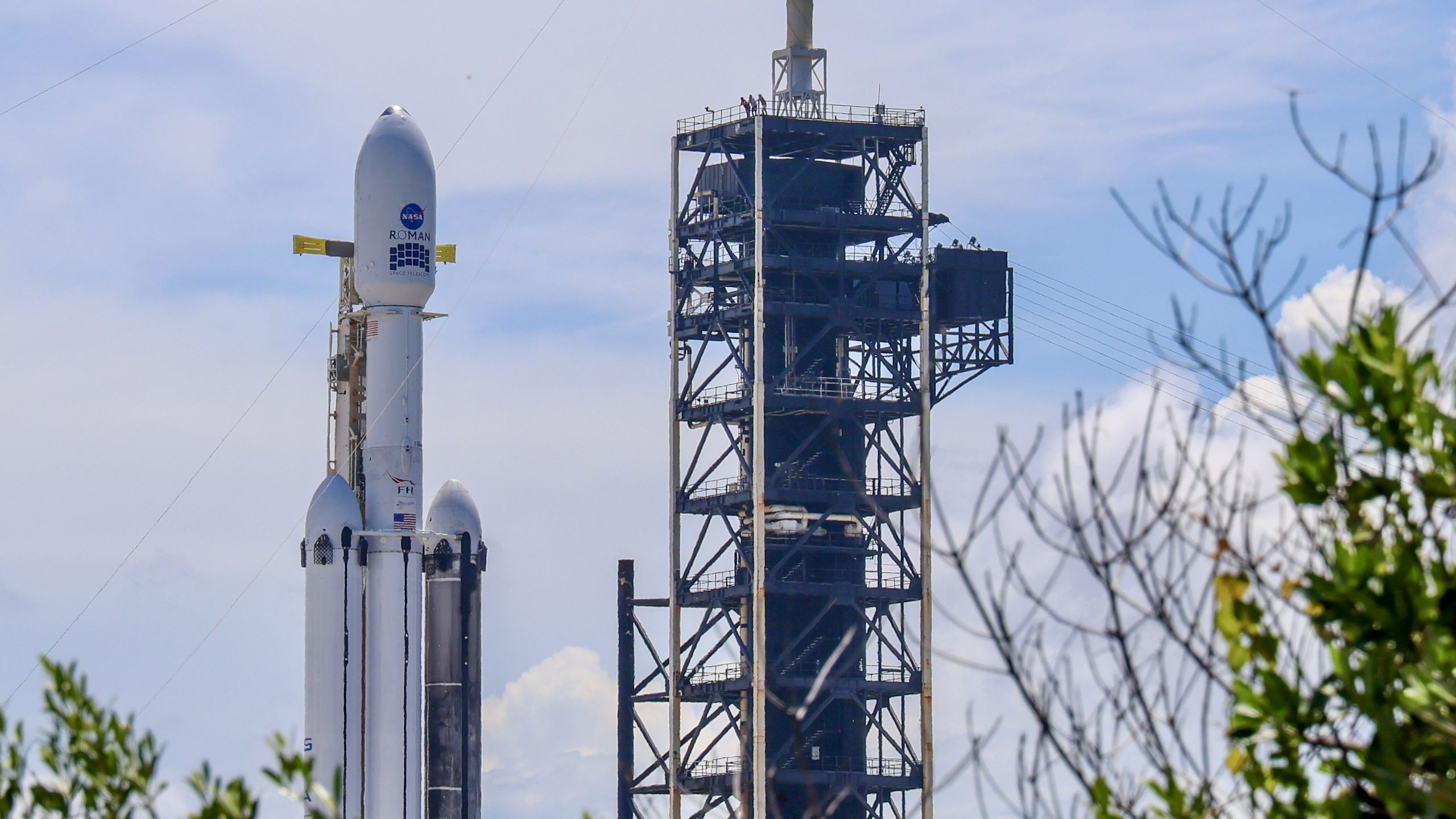
NASA's Roman Space Telescope Ready
NASA's Roman Space Telescope to launch on SpaceX Falcon Heavy, exploring dark matter and energy
Introduction To The Roman Space Telescope
The Nancy Grace Roman Space Telescope, NASA's newest flagship observatory, is ready to launch aboard a SpaceX Falcon Heavy rocket, marking a significant milestone in the exploration of the universe. This groundbreaking telescope is poised to join the ranks of its powerful predecessors, the Hubble and James Webb space telescopes, and is expected to revolutionize our understanding of the cosmos. With its advanced technology and capabilities, the Roman Space Telescope will provide unprecedented insights into the nature of dark matter, dark energy, and the structure of the universe.The Telescope's Capabilities And Mission
The Roman Space Telescope is equipped with a 7.9-foot-wide mirror, donated by the National Reconnaissance Office, which is the same size as the mirror at the heart of the Hubble Space Telescope. However, it was ground to a different prescription, allowing it to capture wide-angle, ultra-sharp images of the universe. The telescope's wide-field camera is capable of scanning broad swaths of the cosmos 1,000 times faster than Hubble, collecting as much data in one month as its older cousin could manage in a century. This will enable scientists to study the effects of dark matter and dark energy in greater detail than ever before. The Roman Space Telescope will also directly image exoplanets around distant stars, potentially leading to the discovery of habitable planets outside our solar system.The Launch And Deployment
The Roman Space Telescope is scheduled to launch from Launch Complex-39A at NASA's Kennedy Space Center in Florida, aboard a SpaceX Falcon Heavy rocket. The launch window is set for 7:26 a.m. EDT, with a 50% chance of favorable weather conditions. Once in space, the telescope will travel to Lagrange Point 2 (L2), a gravitationally stable spot about 1 million miles from Earth, where it will remain in place with minimal use of fuel. The James Webb Space Telescope is also stationed in the same region, allowing for coordinated observations and research.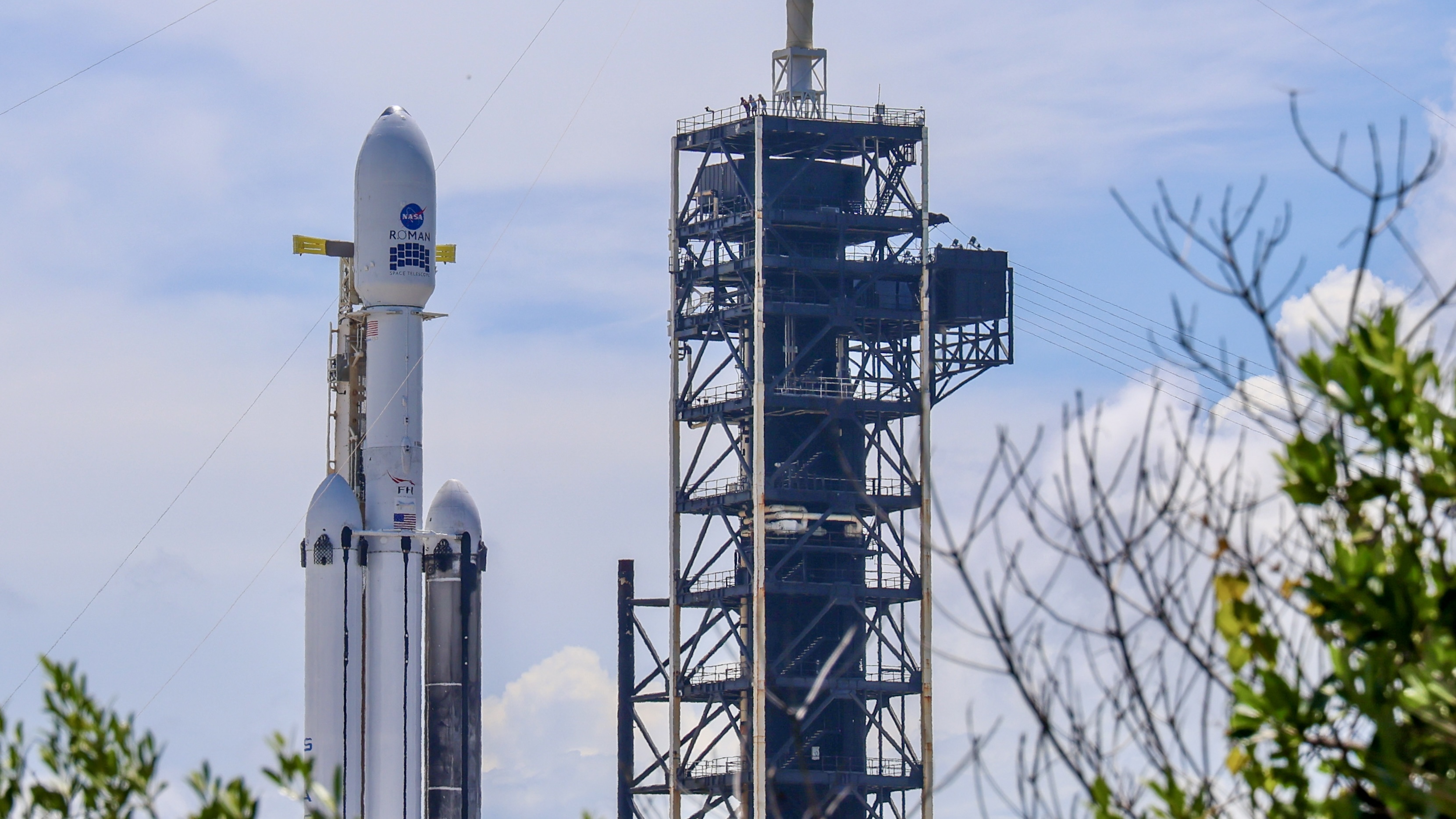
The Scientific Potential And Implications
The Roman Space Telescope's enormous datasets will help researchers tackle some of astronomy's biggest questions, including the nature of dark matter and dark energy, and the possibility of life beyond Earth. The telescope's advanced technology and capabilities will provide unprecedented insights into the structure and evolution of the universe, shedding new light on the mysteries of the cosmos. As NASA Administrator Jared Isaacman noted, "Roman will give the Earth a new atlas of the universe," enabling scientists to better understand the universe and its many secrets.The Future Of Space Exploration
The launch of the Roman Space Telescope marks a significant milestone in the exploration of the universe, and is expected to pave the way for future missions and discoveries. With its advanced technology and capabilities, the telescope will provide a new window into the universe, allowing scientists to study the cosmos in greater detail than ever before. As Nicky Fox, associate administrator for the Science Mission Directorate at NASA, noted, "The Nancy Grace Roman Space Telescope is a sheer powerhouse... The speed at which we'll be scanning the sky, delivering vast amounts of data and returning results will be at an unprecedented rate, never done before."Conclusion And Outlook
The Roman Space Telescope is poised to revolutionize our understanding of the universe, providing unprecedented insights into the nature of dark matter, dark energy, and the structure of the cosmos. With its advanced technology and capabilities, the telescope will enable scientists to study the universe in greater detail than ever before, potentially leading to new discoveries and a deeper understanding of the mysteries of the cosmos. As the telescope prepares for launch, scientists and researchers around the world are eagerly awaiting the first images and data, which are expected to be released in early 2027.Sources
This is an original synthesis by Qivorane based on reporting from the outlets below.