

Gemini 5 Breaks Spaceflight Record
NASA's Gemini 5 mission breaks spaceflight duration record in 1965
Introduction To The Gemini 5 Mission
The Gemini 5 mission, launched on August 21, 1965, was a pivotal moment in the history of space exploration. NASA astronauts Gordon Cooper and Pete Conrad spent eight days in Earth orbit, breaking the previous record for the duration of a crewed spaceflight. This mission was a crucial step towards achieving the goal of sending astronauts to the moon and back under Project Apollo.
The Spacecraft And Its Crew
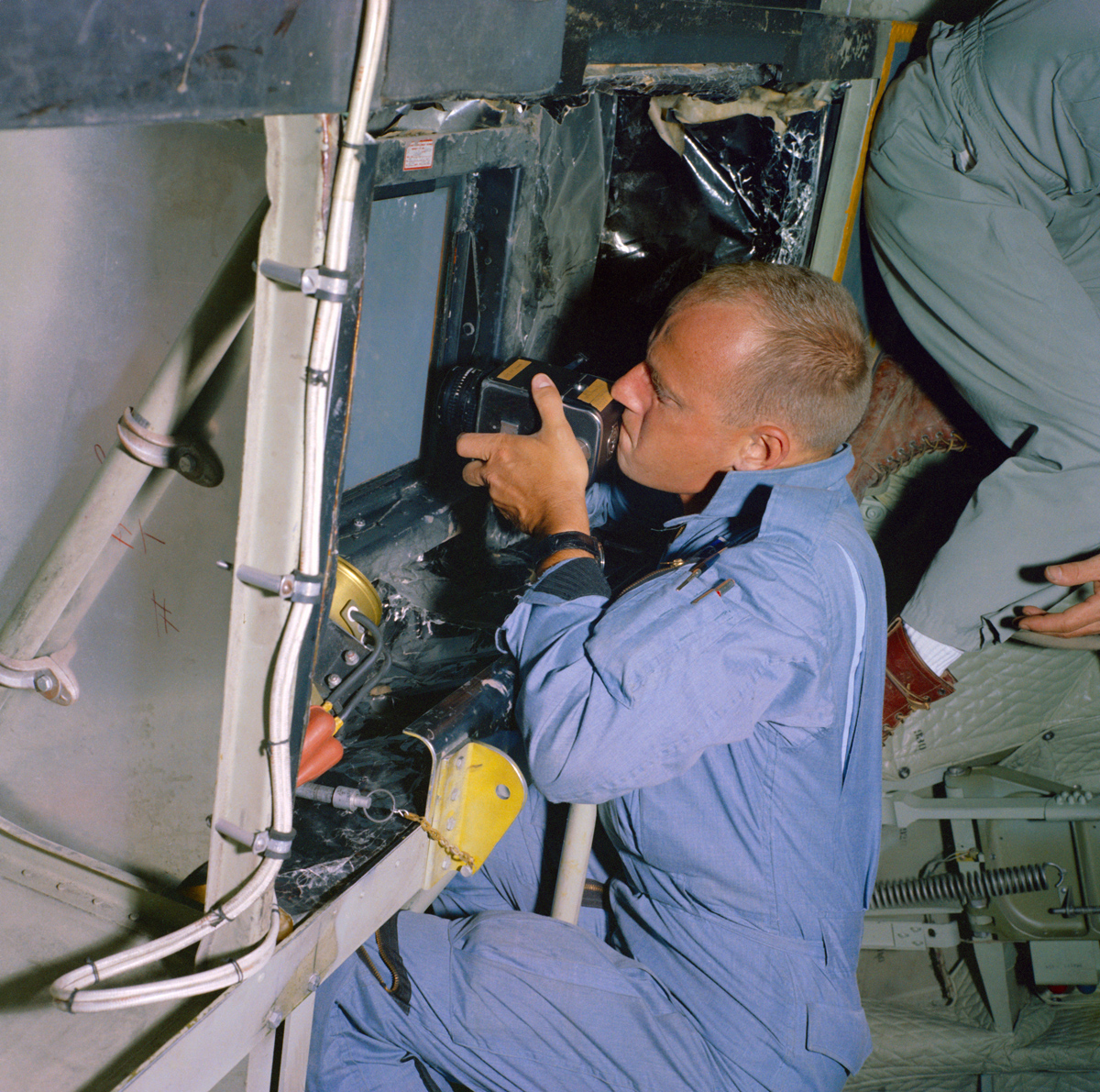
The Gemini 5 spacecraft was a cramped vessel, with Cooper and Conrad likening it to "eight days in a garbage can." Despite the challenging conditions, the astronauts proved that the human body could survive and work in space for an extended period. The crew was commanded by Cooper, with Conrad as pilot, and they were supported by a backup crew that included future Apollo 11 moonwalker Neil Armstrong and Elliott See.

Challenges And Achievements
During the mission, the astronauts faced several challenges, including an electrical problem that forced them to cancel plans to test rendezvous capabilities and maneuvers. They also experienced thruster failures on the fifth day of the mission, but were able to work around the issue using a "drift-and-correct" approach. Despite these setbacks, Cooper and Conrad were able to perform Earth observation and medical experiments, and they successfully demonstrated the ability to survive in space for an extended period.

Legacy Of The Gemini 5 Mission
The Gemini 5 mission was a significant achievement in the history of space exploration, and it paved the way for future long-duration missions. The success of the mission demonstrated that astronauts could survive and work in space for extended periods, and it provided valuable insights into the effects of space travel on the human body. Today, the Gemini 5 mission may seem like a relatively short duration, but it was a crucial step towards achieving the goal of sending astronauts to the moon and beyond.
Conclusion And Future Outlook
The Gemini 5 mission was a groundbreaking achievement in the history of space exploration, and it marked an important milestone in the development of long-duration spaceflight. The success of the mission demonstrated the ability of astronauts to survive and work in space for extended periods, and it paved the way for future missions to the moon and beyond. As space agencies and private companies continue to push the boundaries of space exploration, the legacy of the Gemini 5 mission will remain an important part of the history of space travel.

Sources
This is an original synthesis by Qivorane based on reporting from the outlets below.