
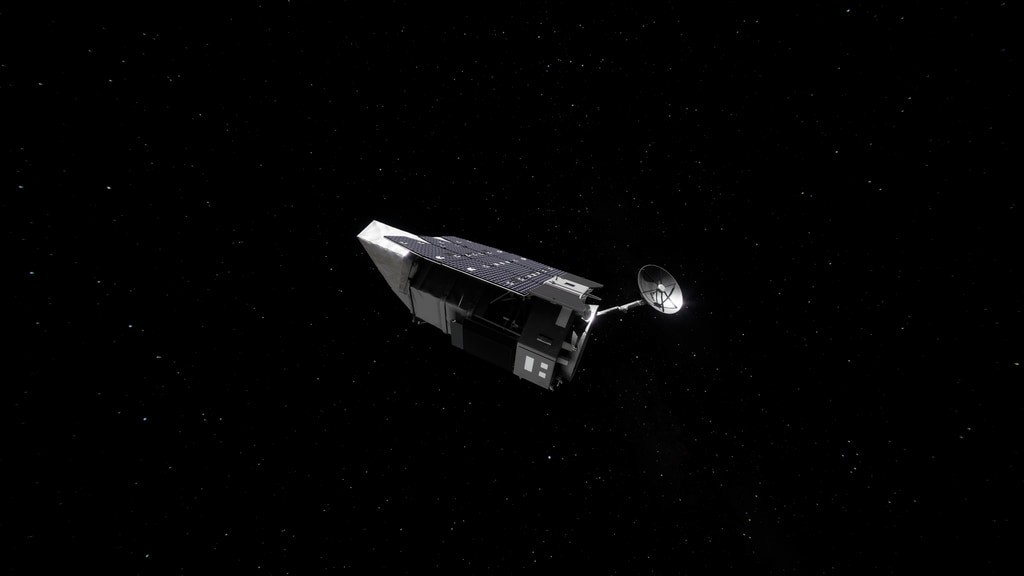
Roman Space Telescope Commissioning
NASA's Roman Space Telescope begins commissioning phase, marking significant milestone
Introduction To Roman Commissioning
The Roman Space Telescope, a groundbreaking NASA mission, has begun its commissioning phase, marking a significant milestone in the journey to explore the universe. The Roman Space Telescope is designed to study the universe in unprecedented detail, leveraging its advanced technology to make new discoveries and shed light on the mysteries of the cosmos. One of the key aspects of the Roman Space Telescope is its orbit, which will be a stable, halo orbit around the L2 (Lagrange point 2), a location that offers a relatively steady orbit without using much fuel.
Deployments And Orbit
An hour and 23 minutes after launch, the Roman Space Telescope began to emerge from its tight configuration, deploying its solar panels and sunshade. This deployment not only provided power to the systems but also shaded the rest of the observatory. In the upcoming days, the antenna will swing out, and the visor-like deployable aperture cover will move into place, permanently revealing and shading the primary mirror. The Roman Space Telescope's orbit around L2 is particularly notable, as it allows the telescope to maintain a constant, unobstructed view of a wide swath of the sky. 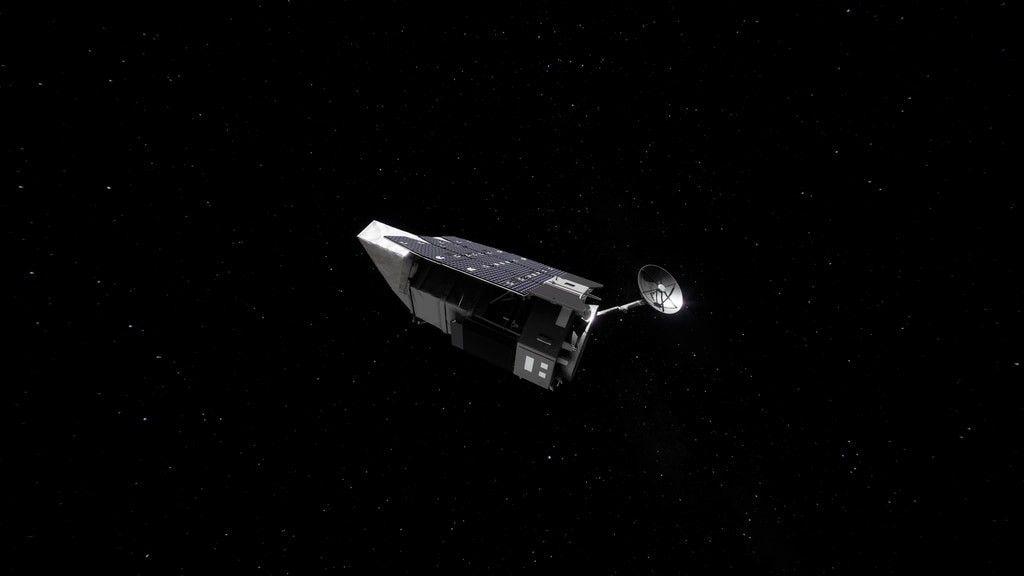
Stable Optical Performance
The location of the Roman Space Telescope at L2 offers exceptionally stable optical performance, which is crucial for making precise observations of the universe. Additionally, the distance from Earth, the Sun, and the Moon reduces the impact of heat on infrared telescopes, allowing for more accurate readings. This stable environment enables the Roman Space Telescope to conduct a wide range of scientific studies, from the formation of galaxies to the detection of exoplanets.
Commissioning And Calibration
As the Roman Space Telescope undergoes commissioning, the various systems are being turned on, tested, and calibrated. This process is essential to ensure that the telescope is functioning as expected and that the data collected is accurate and reliable. The commissioning phase is a critical step in preparing the Roman Space Telescope for its scientific mission, which will include studying the universe in unprecedented detail and making new discoveries that will help us better understand the cosmos.
Future Outlook
The Roman Space Telescope has the potential to make significant contributions to our understanding of the universe, from the formation of galaxies to the detection of exoplanets. As the telescope continues to undergo commissioning and calibration, scientists and engineers are eagerly awaiting the start of its scientific mission. With its advanced technology and stable orbit, the Roman Space Telescope is poised to make new discoveries that will help us better understand the mysteries of the cosmos.
Sources
This is an original synthesis by Qivorane based on reporting from the outlets below.