
Earthrise Photo Legacy
60 years of Earthrise photos, from Lunar Orbiter 1 to Artemis II
Introduction To The Iconic Earthrise Photo
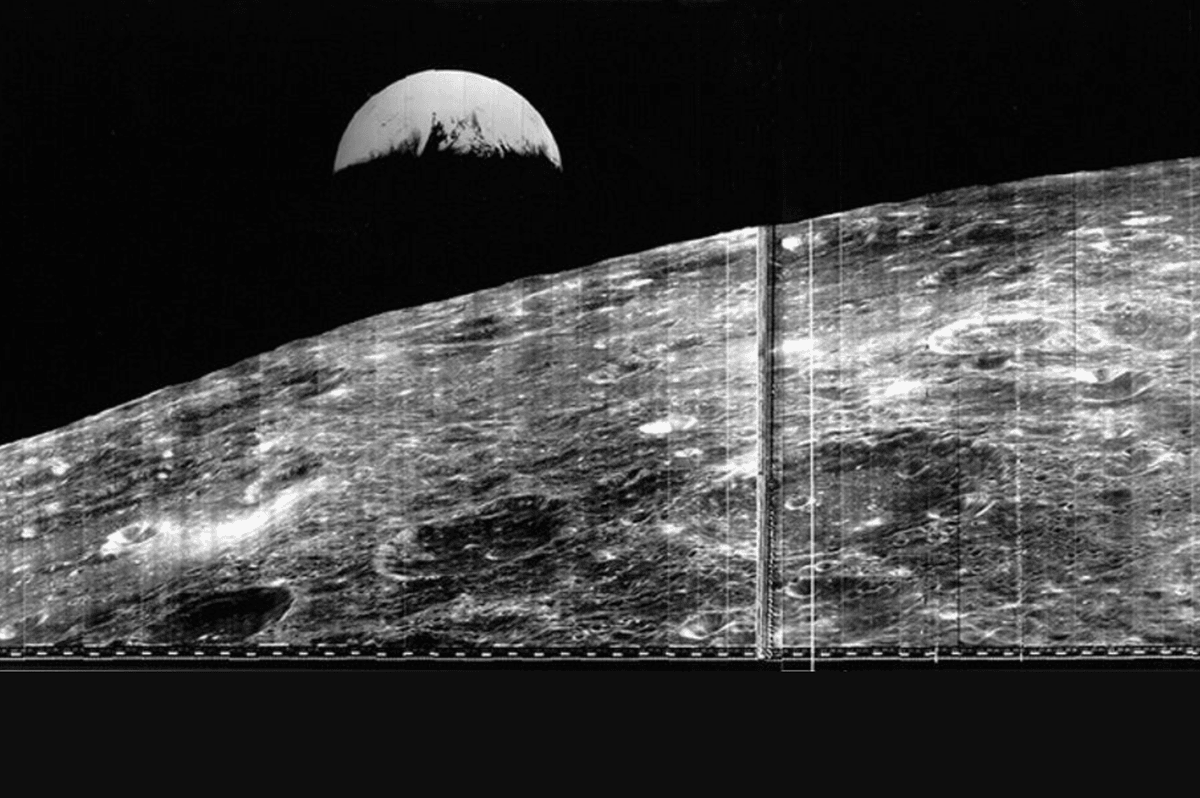
The "Earthrise" photo, captured by NASA astronaut Bill Anders during the Apollo 8 mission in December 1968, is one of the most iconic images in space exploration history. However, few people know that this image had a predecessor, taken 60 years ago by the Lunar Orbiter 1. On August 23, 1966, the Lunar Orbiter 1, the first U.S. spacecraft to orbit the moon, captured a grainy black-and-white shot of the Earth rising above the lunar surface.
Background And Context
The Lunar Orbiter 1 was launched on August 10, 1966, with the primary mission of taking close-up pictures of the moon, particularly nine possible landing sites for the upcoming Apollo missions. Over several days, it took hundreds of pictures covering more than five million square kilometers of the lunar surface. Among those photos was the historic image of the Earth, which, although grainy and black-and-white, marked the first time our home planet was photographed from the vicinity of the moon.
The Legacy Of Lunar Orbiter 1
The image taken by Lunar Orbiter 1 may have been eclipsed by the more famous "Earthrise" photo, but its legacy lives on. Without Lunar Orbiter 1, Anders might never have taken his iconic photo. The sense of wonder at seeing our planet in space from our natural satellite hasn't changed, despite the passing of 60 years. This is evident in the more recent "Earthset" image taken by NASA astronaut Christina Koch during the Artemis II mission, which drew instant comparison to the "Earthrise" photo.
Comparison And Contrast
A comparison of the images taken by Lunar Orbiter 1, Apollo 8, and Artemis II shows the advancements in space exploration and photography over the years. While the early image was grainy and black-and-white, the more recent images are of higher quality and in color. However, the essence of the images remains the same - to evoke a sense of wonder and awe at the beauty of our planet and its place in the universe.
Real-World Implications And Future Outlook
The images taken by Lunar Orbiter 1, Apollo 8, and Artemis II have not only inspired generations of space enthusiasts but have also contributed significantly to our understanding of the moon and its environment. As space agencies continue to explore the moon and beyond, these images serve as a reminder of the importance of space exploration and the need to continue pushing the boundaries of human knowledge and understanding.
Sources
This is an original synthesis by Qivorane based on reporting from the outlets below.