

Pluto's Planetary Status Debate
Why people care about Pluto's planetary status, twenty years after its reclassification
Introduction To The Pluto Debate
The debate over Pluto's planetary status has been ongoing for twenty years, with many people still arguing over whether it should be considered a planet or not. The disagreement began in 2006 when the International Astronomical Union adopted a definition of a planet that placed Pluto in the dwarf-planet category. Despite the scientific community's efforts to explain the reasoning behind this decision, the public has been slow to accept it. But why do people care so much about Pluto's status?
Childhood Memories And Nostalgia
One reason for the strong attachment to Pluto's planetary status is the nostalgia factor. For many people, Pluto was the ninth planet they learned about in school, and it was often remembered as the farthest and smallest planet in our solar system. The discovery of Pluto in 1930 was a significant event, and its addition to the solar system was seen as a exciting new development. Deana Weibel, a cultural anthropologist, notes that these childhood associations have staying power long into adulthood, making it difficult for people to accept the change in Pluto's status. 
The Psychology Of Recategorization
Another reason for the resistance to Pluto's reclassification is the way our brains process information. According to Matthew Leahy, a licensed clinical psychologist, our brains rely on categories to organize information, and changing an established category can be difficult. This is especially true when the stakes are low, as is the case with Pluto's planetary status. The emotional meaning of a category can sometimes matter more to us than its practical importance, making it hard for people to accept the change. Additionally, the way the change was implemented, without public participation, may have contributed to the resistance.
The Scientific Debate
The scientific debate over Pluto's status is ongoing, with some arguing that the definition of a planet should be revised to include dwarf planets like Pluto. Others argue that the current definition is clear and that Pluto does not meet the criteria. The discovery of other objects in the Kuiper Belt, a region of icy bodies beyond Neptune, has also raised questions about the definition of a planet. While the scientific community continues to debate the issue, the public remains divided, with many people still clinging to the idea of Pluto as a planet. 
Real-World Implications
So, what are the real-world implications of Pluto's status? For most people, the answer is none. The change in Pluto's status does not affect our daily lives, and it is largely a matter of semantics. However, for scientists and educators, the issue is more significant. The definition of a planet has implications for how we teach astronomy and how we understand the solar system. Additionally, the debate over Pluto's status has raised questions about the nature of science and how it is communicated to the public. 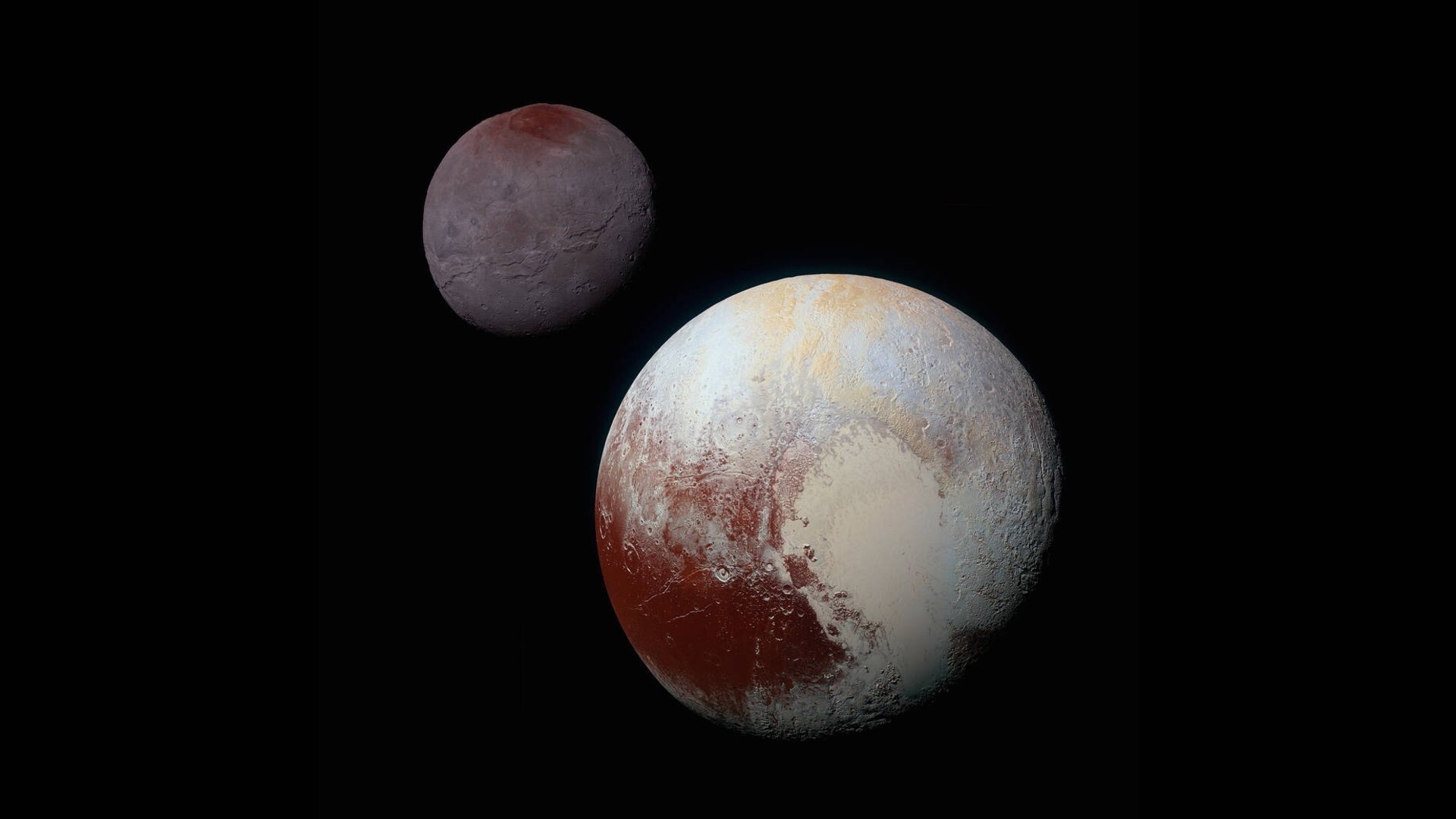
Sources
This is an original synthesis by Qivorane based on reporting from the outlets below.