
Starry Night Telescope Photo
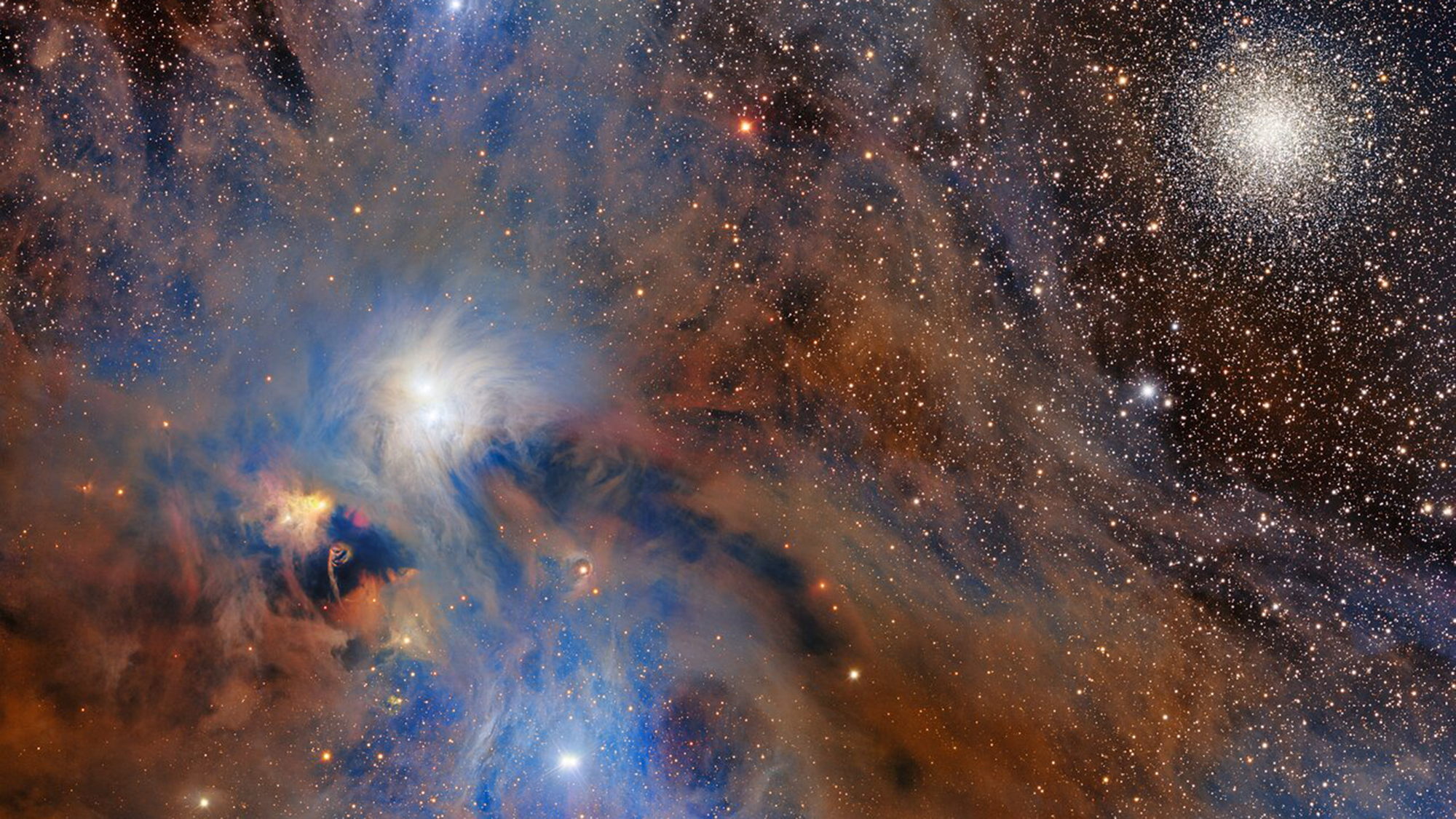
Scientists capture image of Corona Australis Molecular Cloud, a star-forming region
Introduction To Star Formation
The universe is home to a vast array of stars, each with its own unique characteristics and formation story. Recently, scientists have captured a breathtaking image of the Corona Australis Molecular Cloud, a region of space where new stars are forming. This image, taken by the Dark Energy Camera (DECam) on the National Science Foundation's Victor M. Blanco 4-meter Telescope in Chile, showcases the stunning beauty of the universe and provides valuable insights into the process of star formation.
Understanding The Corona Australis Molecular Cloud
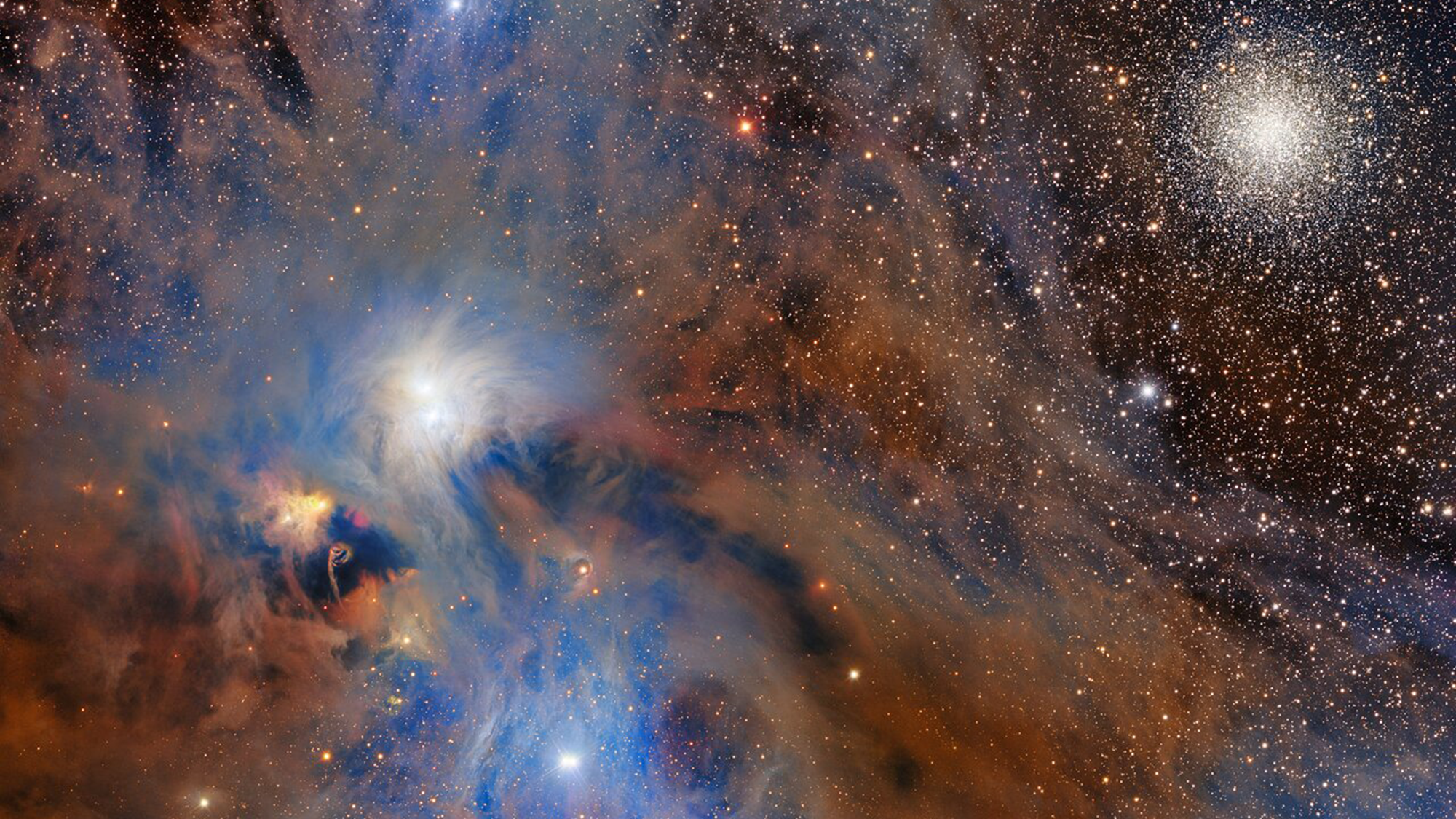
The Corona Australis Molecular Cloud is one of the closest active star-forming regions to our solar system, located approximately 430 light-years away in the constellation Corona Australis. This region is characterized by dense pockets of gas and dust that collapse to form new stars, with temperatures as low as minus 440 degrees Fahrenheit (minus 260 degrees Celsius). The image of the Corona Australis Molecular Cloud, reminiscent of Vincent van Gogh's "The Starry Night," features swirling nebulae, dark dust lanes, and sparkling star clusters in remarkable detail.
Key Features Of The Image
The image of the Corona Australis Molecular Cloud is a composite of several features, including the glowing nebula NGC 6729, nestled within the molecular cloud. The blue coloration in the image is a reflection nebula, caused by dust reflecting starlight, while the orange coloration shows an emission nebula, which forms when ultraviolet radiation from a young star ionizes gas. At the heart of NGC 6729 is R Coronae Australis, a binary star system whose stars complete an orbit of each other every 43 to 47 years. Additionally, the image features the globular cluster NGC 6723, also known as the Chandelier Cluster, which contains hundreds of thousands of stars that formed billions of years ago.
Implications For Astronomy
The image of the Corona Australis Molecular Cloud and the Chandelier Cluster has significant implications for astronomy. The globular cluster NGC 6723 is approximately 29,000 light-years from Earth and contains stars that are almost as old as the universe itself. However, astronomers suspect that there are several populations of similarly aged stars within the cluster, indicating a complex evolutionary history. This image provides valuable insights into the formation and evolution of stars and galaxies, and highlights the importance of continued exploration and study of the universe.
Conclusion And Future Outlook
The image of the Corona Australis Molecular Cloud and the Chandelier Cluster is a remarkable example of the beauty and complexity of the universe. As scientists continue to study this region and others like it, they may uncover new insights into the process of star formation and the evolution of the universe. With the help of powerful telescopes like the Dark Energy Camera, astronomers will be able to explore the universe in greater detail than ever before, leading to new discoveries and a deeper understanding of the cosmos.
Sources
This is an original synthesis by Qivorane based on reporting from the outlets below.