
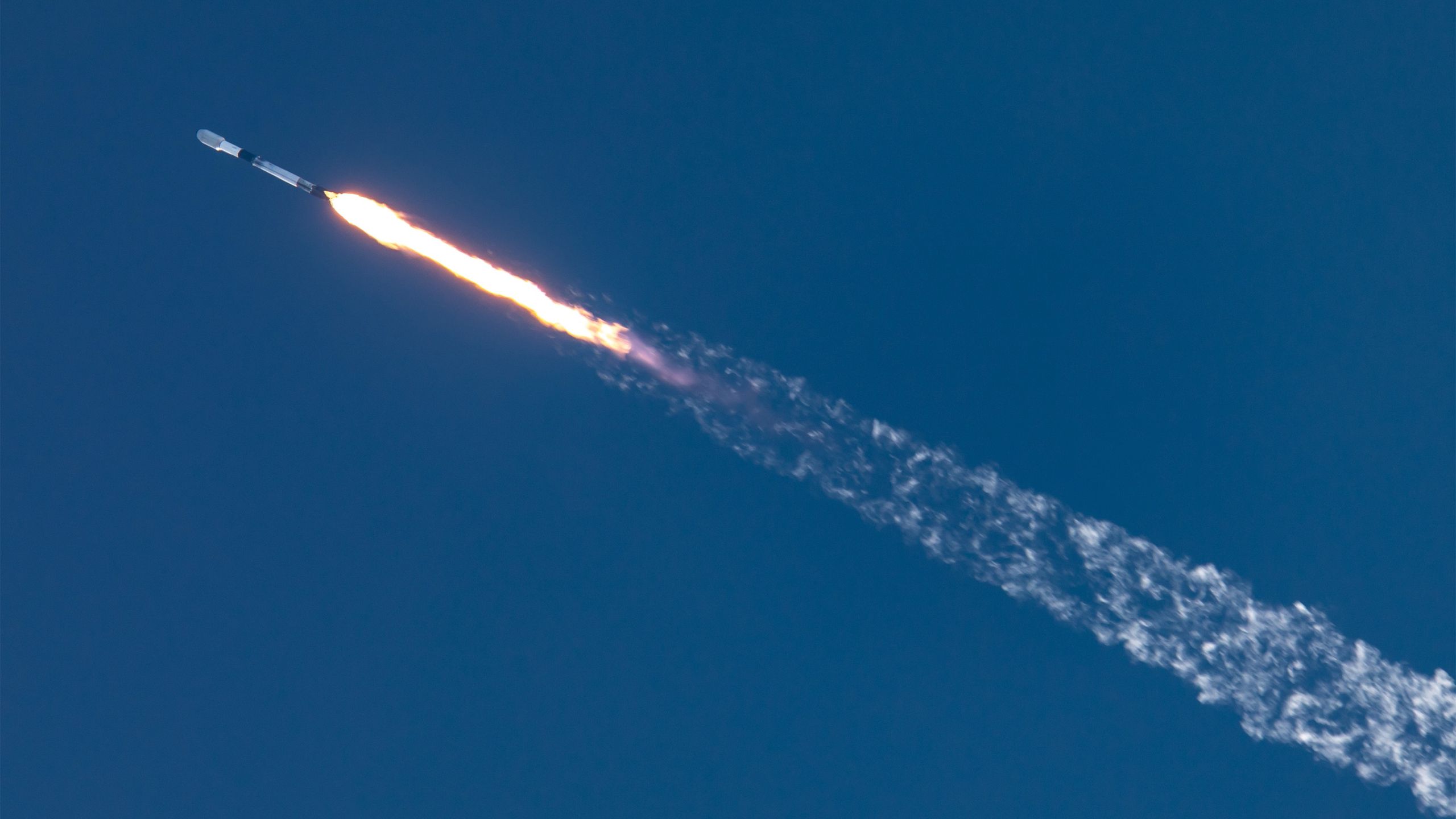
SpaceX Launches Classified US Space Force Mission
SpaceX launches USSF-153 mission for US Space Force, leveraging Falcon 9 rocket and Starshield technology.
Introduction To Classified Space Missions
SpaceX is set to launch a classified mission for the US Space Force, dubbed USSF-153, from California's Vandenberg Space Force Base. The launch, scheduled for 11:37 a.m. ET, will utilize a Falcon 9 rocket and mark the 104th Falcon 9 mission of 2026. With little information available about the mission's payloads, speculation suggests it might involve a batch of classified low Earth orbit satellites for a US government entity, leveraging SpaceX's Starshield satellite bus technology.Background On Starshield Technology
Starshield is a program that utilizes SpaceX's Starlink technology and launch capability to support national security efforts. This technology has been used in previous missions, including the launch of Starlink satellites, which currently consists of more than 11,000 active spacecraft. The Starshield program's involvement in the USSF-153 mission is speculative, but its use of similar launch trajectories and rocket stage drop zones as previous Starlink launches provides some insight into the possible nature of the mission.Launch Details And Specifications
The Falcon 9 rocket, with the tail number B1081, will be used for the USSF-153 mission, marking its 27th flight. This booster has previously launched four missions for NASA, two missions for the National Reconnaissance Office, and 16 batches of Starlink satellites. The launch window opens at 11:37 a.m. ET, and the booster is expected to land in the Pacific Ocean atop a SpaceX drone ship about 8.5 minutes after liftoff. The mission will be SpaceX's fifth national security-related payload launch this year, following previous missions such as NROL-105, NROL-172, and USSF-366.Real-World Implications And Future Outlook
The USSF-153 mission highlights the growing importance of space technology in national security efforts. With the increasing use of satellites for communication, navigation, and surveillance, the need for secure and reliable space-based assets is becoming more critical. The success of this mission will demonstrate the capabilities of SpaceX's Falcon 9 rocket and the Starshield program, potentially paving the way for future national security-related launches. As the space industry continues to evolve, the collaboration between private companies like SpaceX and government agencies like the US Space Force will play a crucial role in shaping the future of space exploration and national security.Previous National Security Missions
SpaceX has a history of launching national security-related payloads, including the NROL-105 and NROL-172 missions. These missions have demonstrated the company's ability to handle classified payloads and operate in a secure environment. The USSF-153 mission is the latest example of this collaboration, and its success will further solidify SpaceX's position as a trusted partner for national security space launches. With the company's continued innovation and advancement in space technology, it is likely that we will see more national security-related missions in the future.Conclusion And Future Launches
The USSF-153 mission is a significant event in the space industry, highlighting the importance of national security space launches and the role of private companies like SpaceX. As the mission launches today, it will be closely watched by space enthusiasts and industry experts alike. With its potential to carry classified low Earth orbit satellites, the USSF-153 mission demonstrates the capabilities of SpaceX's Starshield program and the Falcon 9 rocket. As the space industry continues to evolve, we can expect to see more launches like this in the future, further solidifying the importance of space technology in national security efforts.Sources
This is an original synthesis by Qivorane based on reporting from the outlets below.