
China's Mars Sample Return Mission
China's Tianwen 3 mission aims to bring back Martian samples, search for life
Introduction To Mars Sample Return Mission
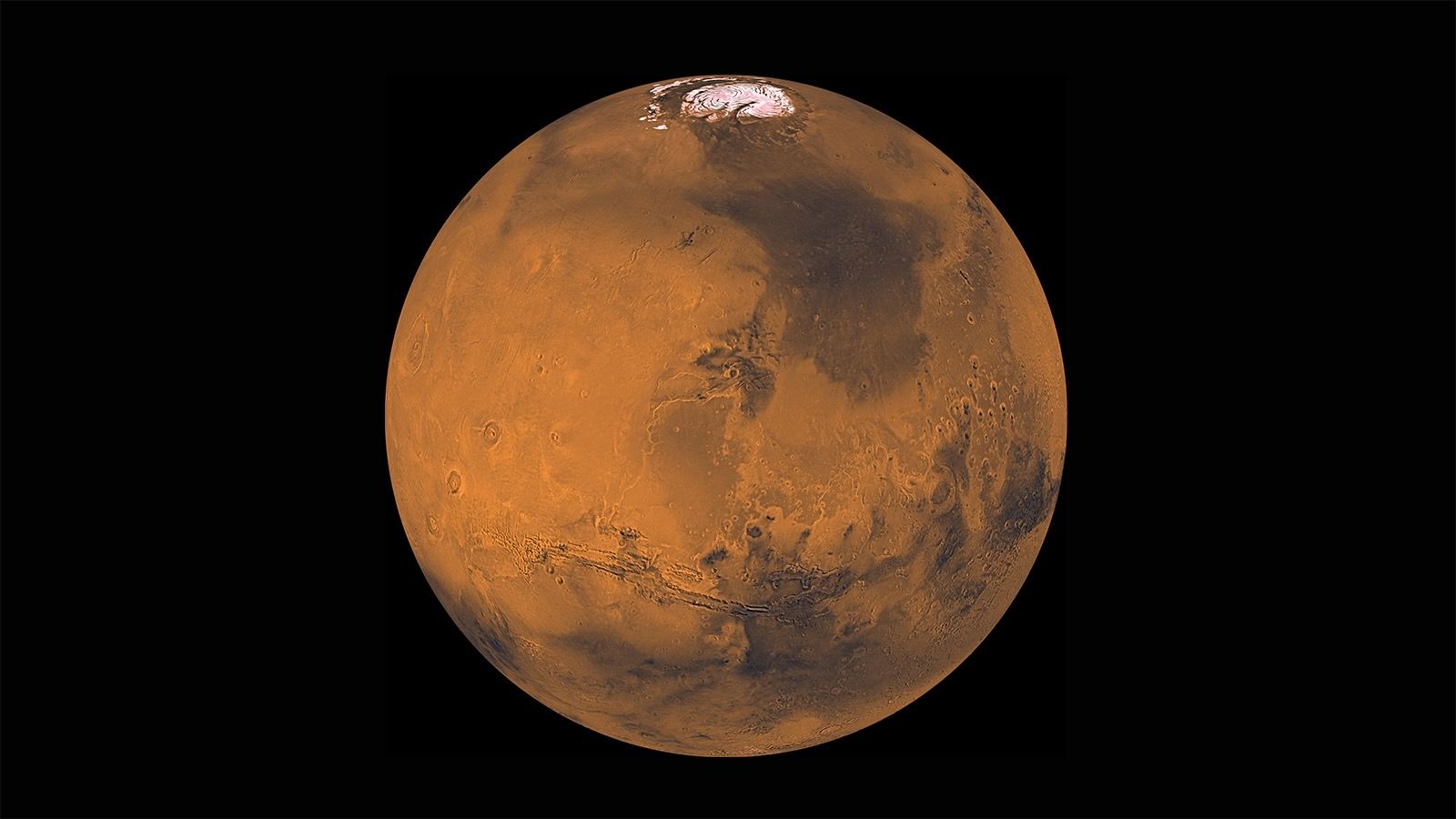
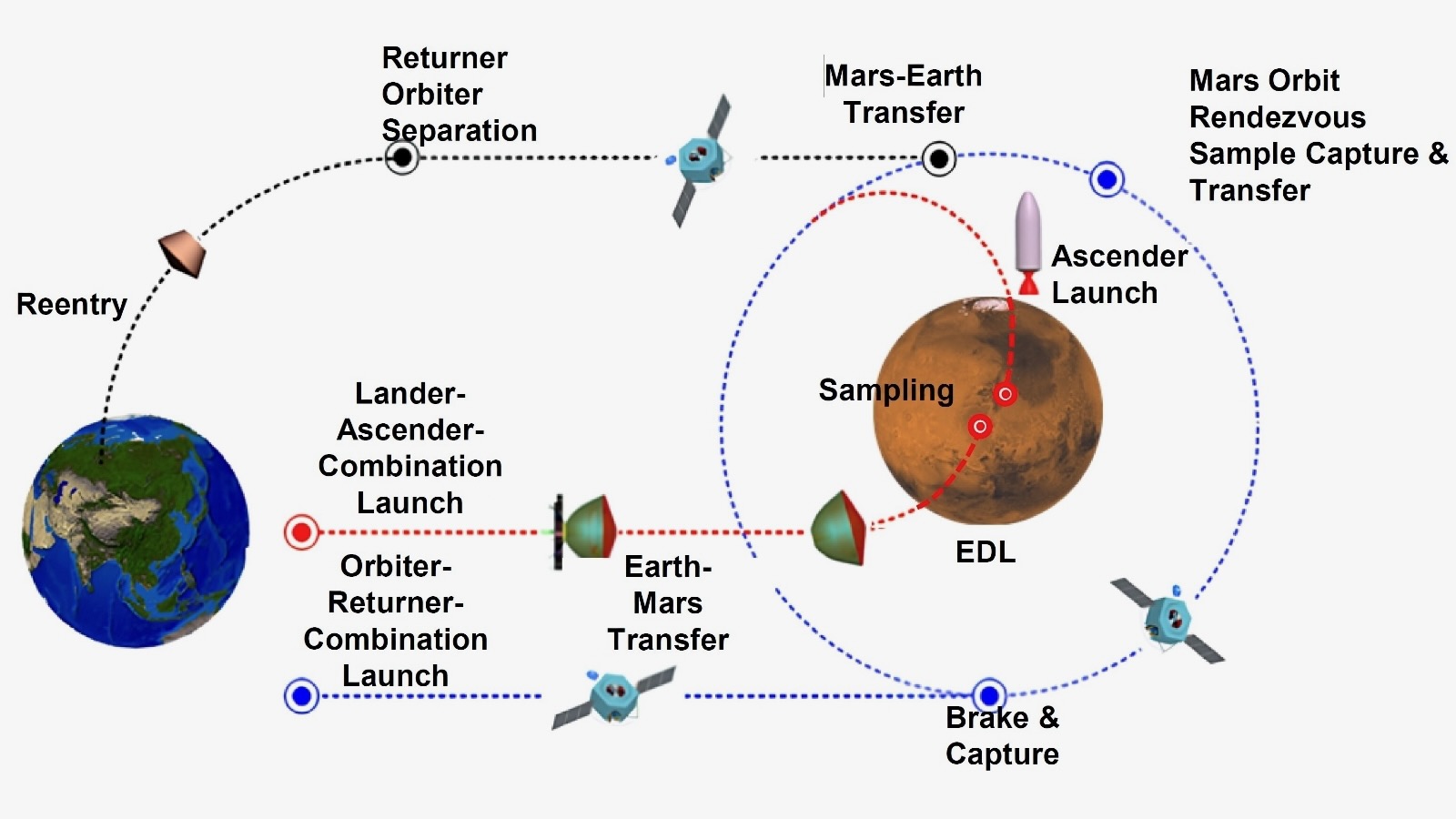
China is making significant progress on its Tianwen 3 Mars sample return mission, which aims to bring back to Earth roughly 500 grams of Martian collectibles in 2031. The mission, scheduled to launch in 2028, will have a lander, an ascender, a service capsule, an orbiter, and an Earth reentry module. According to Hou Zengqian, the mission's chief scientist, the probe equipment has entered the prototype development phase, and scientist teams from across the country are working together to tackle the challenges in accordance with the mission's scientific objectives.
Background And Significance
The Tianwen 3 mission is a major space milestone, with former NASA "Mars Czar" Scott Hubbard referring to the reported progress as a "Sputnik moment." If accurate, this represents a significant achievement for China, which may be the first to find evidence of life on another planet. The mission's top scientific goal is to search for potential signs of life on Mars, while also taking into consideration the possibility of unknown forms of life that may have emerged through Mars' unique evolutionary history.
Methodology And Challenges
The Tianwen 3 mission will launch on two Long March 5 heavy-lift rockets from the Wenchang Space Launch Site on the island of Hainan, China's southernmost province. The landing site for the mission is expected to be finalized by the end of 2026, with Chinese specialists advancing work on a next-generation geological map of Mars. The mission will collect samples from the Martian surface and then send them back to Earth around 2031. However, Mars sample return is an extremely complex project, with landing-site selection, planetary protection, and contamination control being some of the challenges that need to be overcome.
Real-World Implications And Future Outlook
The returned Martian samples will have irreplaceable scientific value, regardless of whether signs of life are found. Analyses of the returned samples at microscopic, molecular, and isotopic scales could deepen our understanding of Mars' geology and environment, as well as the evolution of habitability and the conditions under which life may originate. The success of the Tianwen 3 mission will not only be a significant achievement for China but also a major step forward in the search for life beyond Earth.
Conclusion And Next Steps
In conclusion, the Tianwen 3 mission is a significant step forward in the search for life on Mars and beyond. With its scheduled launch in 2028, the mission is expected to bring back valuable samples from the Martian surface, which will help scientists better understand the planet's geology, environment, and potential for life. As the mission progresses, it will be exciting to see the discoveries that are made and the implications they will have for our understanding of the universe.
Sources
This is an original synthesis by Qivorane based on reporting from the outlets below.