
NASA Discovers Mysterious X-Ray Objects
NASA's Chandra X-ray Observatory discovers new class of objects with low-energy X-rays and intense ultraviolet radiation
Introduction To Mysterious X-Ray Objects
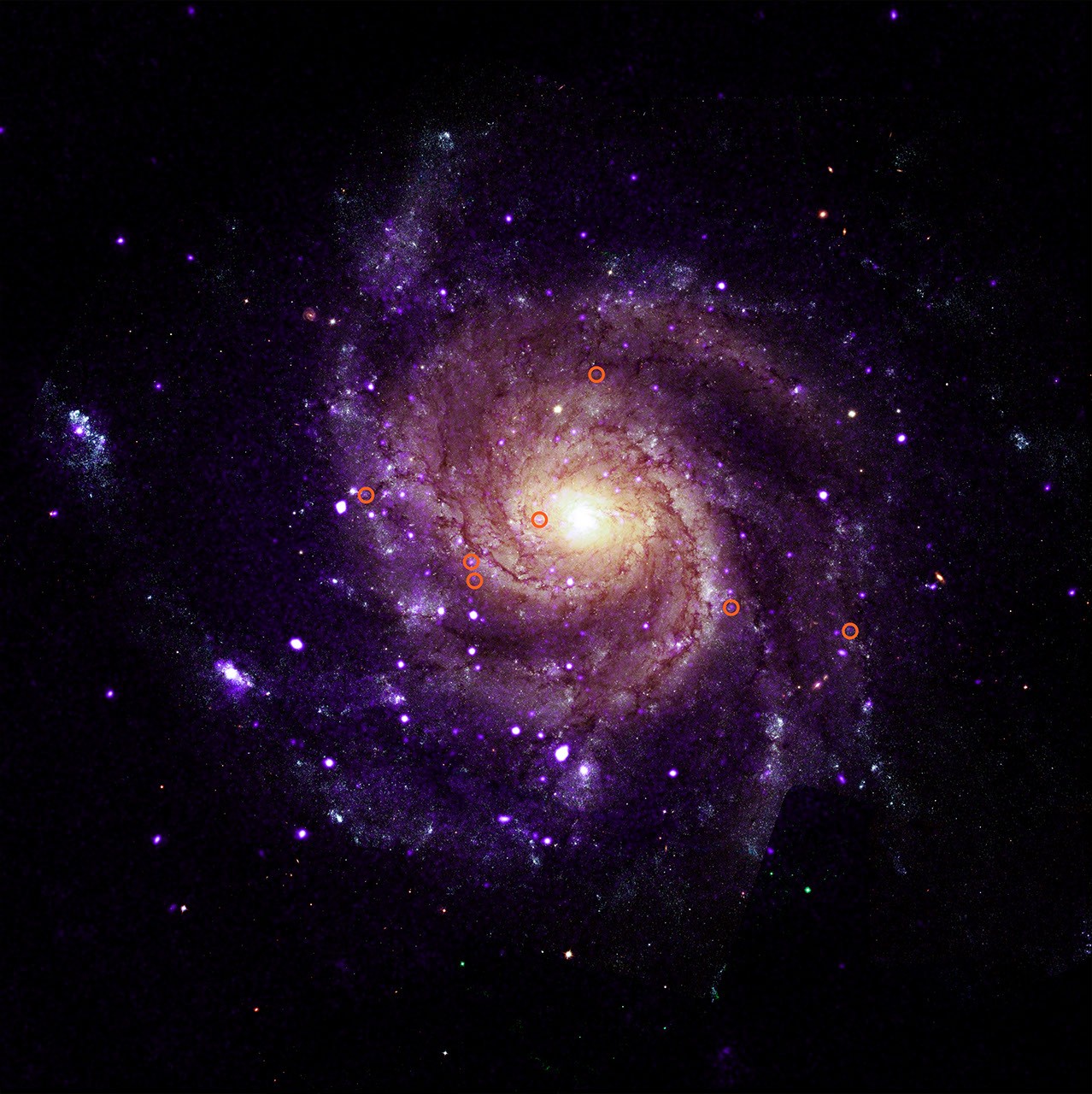
NASA's Chandra X-ray Observatory has discovered a new class of objects that behave unlike any previously seen, giving off unusually low-energy X-rays but intense levels of ultraviolet radiation. These mysterious objects, found in six different galaxies, may help solve two long-standing questions in astrophysics. The discovery, featured in a paper published in Nature Astronomy, suggests that these "hypersoft X-ray sources" could be among the most energetic objects in galaxies.
Characteristics Of Hypersoft X-Ray Sources
The researchers found a total of 84 hypersoft X-ray sources in the six galaxies they searched, using data from the Chandra archive. These sources were found in both regions of active star formation and areas with older stars. The team spotted the sources by finding objects that appeared in Chandra images taken at the lowest X-ray energies but vanished in higher-energy images, indicating that they give off far more low-energy X-rays than high-energy ones. 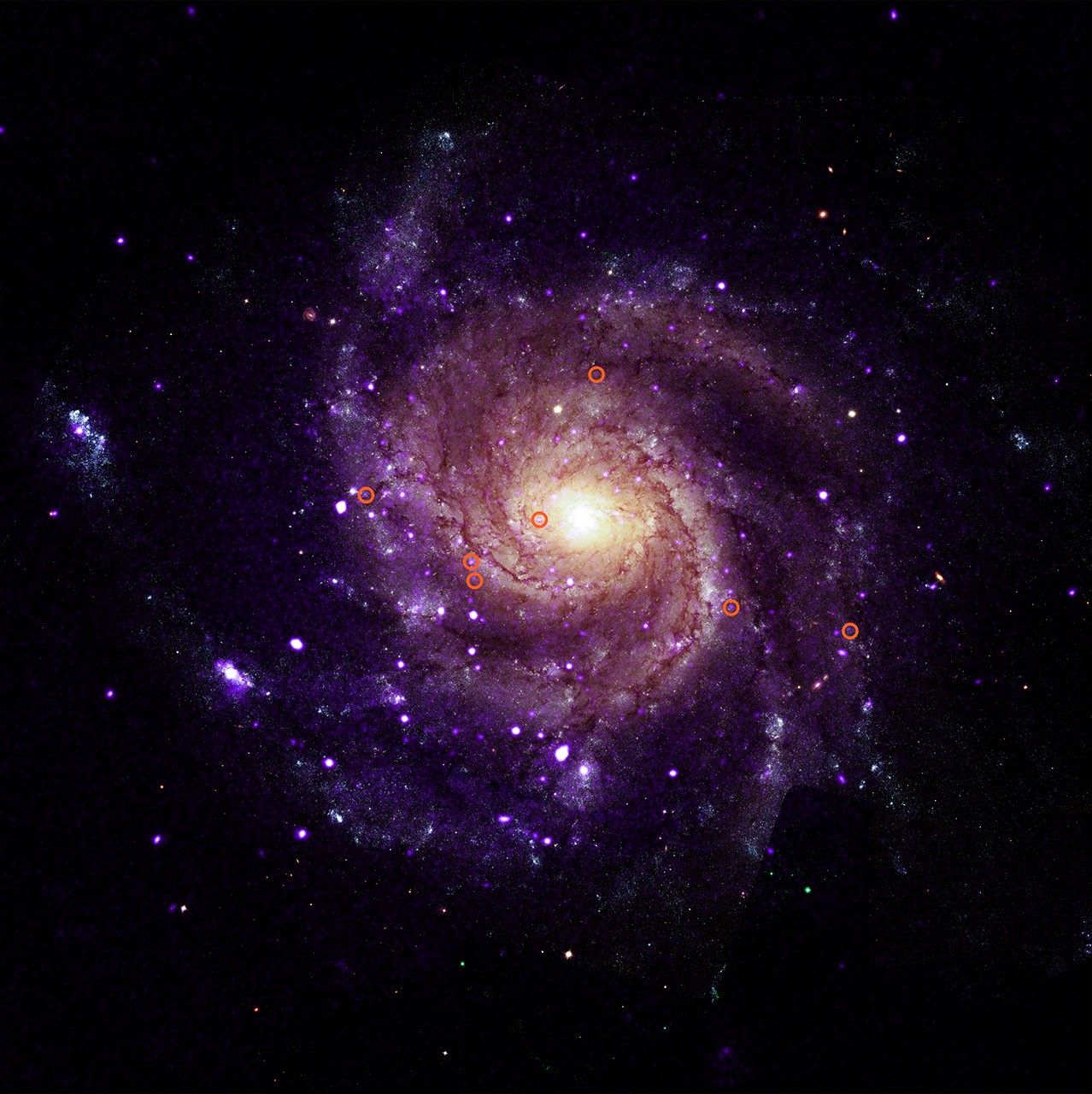
Theoretical Explanations And Implications
The team thinks that these hypersoft X-ray sources most likely involve a black hole, neutron star, or white dwarf pulling material from a companion star. The material pulled from the companion star is heated to produce X-rays before falling onto the white dwarf or neutron star, or into the black hole. Such binary systems have been seen before, but not with such bright ultraviolet radiation and low-energy X-rays. The discovery suggests that there may be large populations of binary systems with energetic ultraviolet radiation that have been undetected until now.
Potential Solutions To Cosmic Mysteries
These hypersoft X-ray sources might explain two long-standing questions in astrophysics. Firstly, they could be related to the progenitors of Type Ia supernovae, which are critical for measuring the expansion of the universe. Astronomers have been looking for the stars that turn into Type Ia supernovae for many years, so far without success. Secondly, the intense levels of ultraviolet radiation from the hypersoft X-ray sources may play a vital role in stripping electrons from gas between the stars in some galaxies, affecting how quickly stars form and influencing the life cycles of galaxies. 
Future Research Directions
The discovery of hypersoft X-ray sources opens up new avenues for research, including the potential to spot Type Ia supernova explosions before they occur. Further study of these objects could also provide insights into the life cycles of galaxies and the formation of stars. As scientists continue to explore the properties and behavior of these mysterious objects, they may uncover even more secrets about the universe and its many mysteries.
Sources
This is an original synthesis by Qivorane based on reporting from the outlets below.