
NASA's Slingshot Spacecraft
NASA's Slingshot spacecraft concept aims to map minerals on planets and moons
Introduction To Interworld Slingshot Resource Surveys
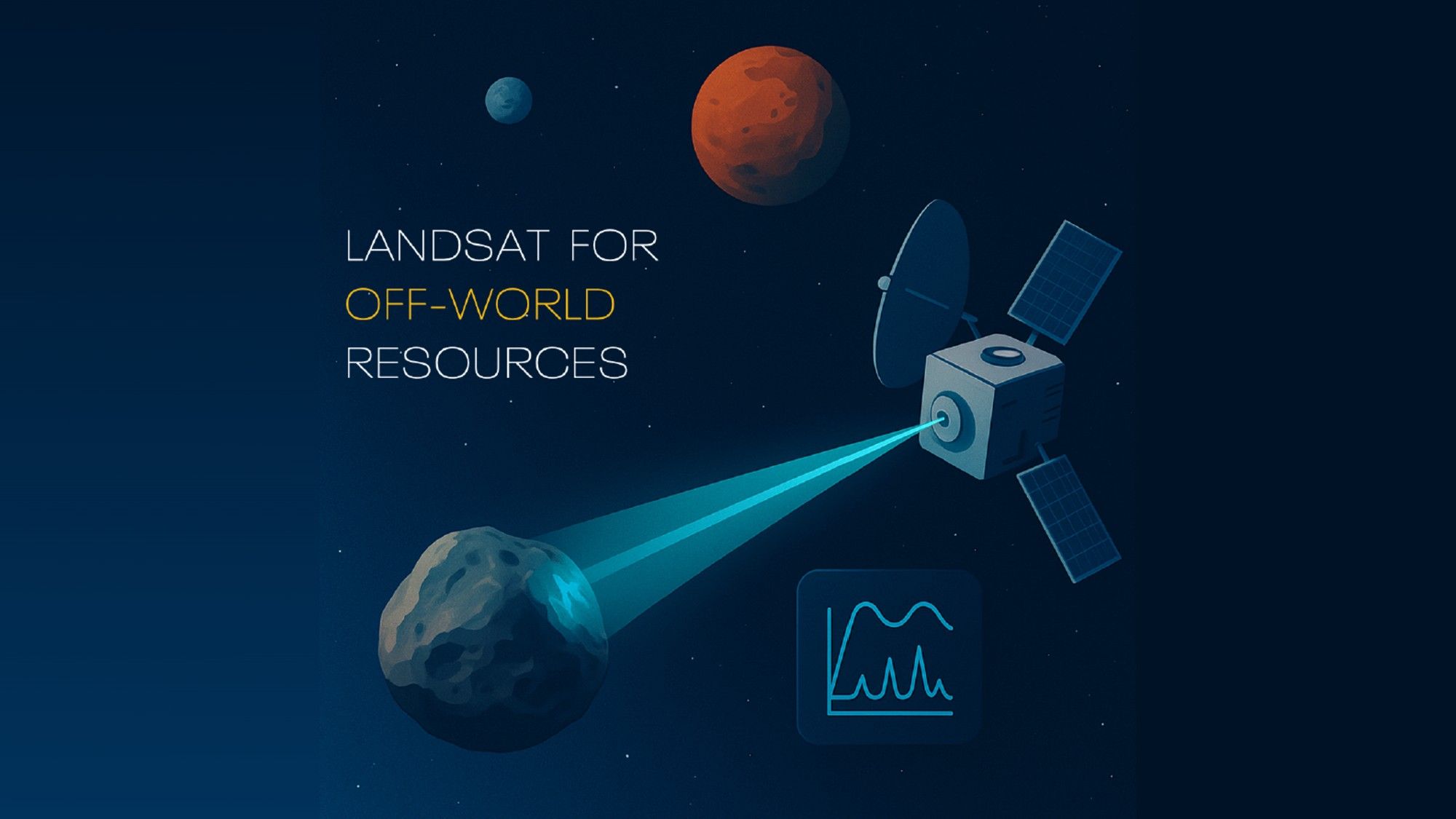
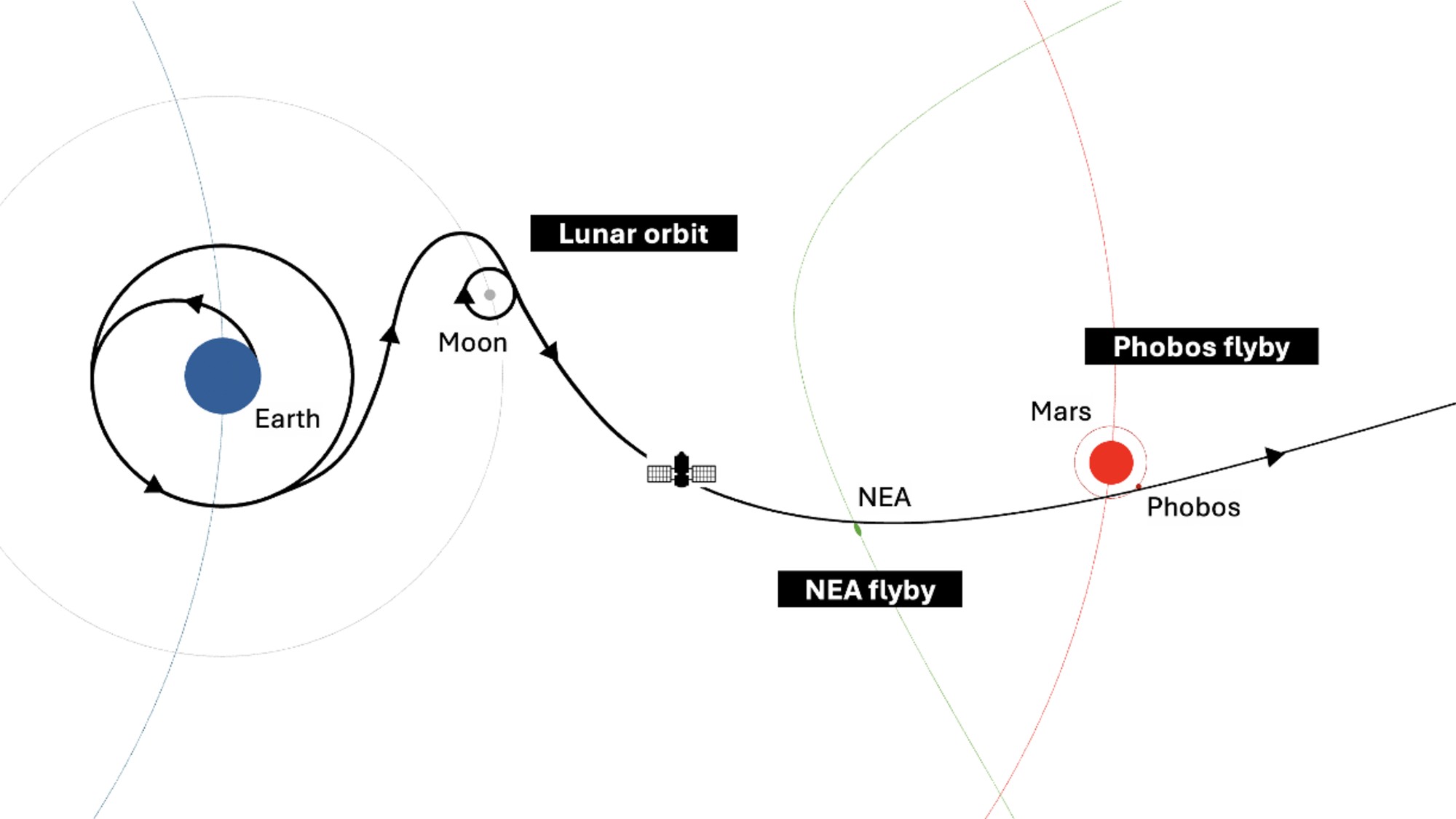
A new NASA-funded project, known as Interworld Slingshot Resource Surveys, aims to bring "Landsat-style mineral intelligence" to other worlds, including the moon. This concept, which has been dubbed "Slingshot" for short, could potentially map minerals on planets and moons across our solar system. The idea is to use a small spacecraft to survey the moon, near-Earth asteroids, and other targets, such as the Mars moon Phobos, during a single mission using a single remote-sensing instrument.
Background And Context
Nearby Earth, the Landsat series of orbiting U.S. government satellites have been charting minerals and climate change for over 50 years. The success of these satellites has led to the idea of applying similar technology to other worlds. With NASA planning to establish a moon base on the lunar surface in the 2030s, being able to scout for minerals ahead of landing and setting up a base would be a significant advantage. The United States is also looking to secure access to helium-3 and other minerals on the moon's surface ahead of China.
Scientific Mechanisms And Methodology
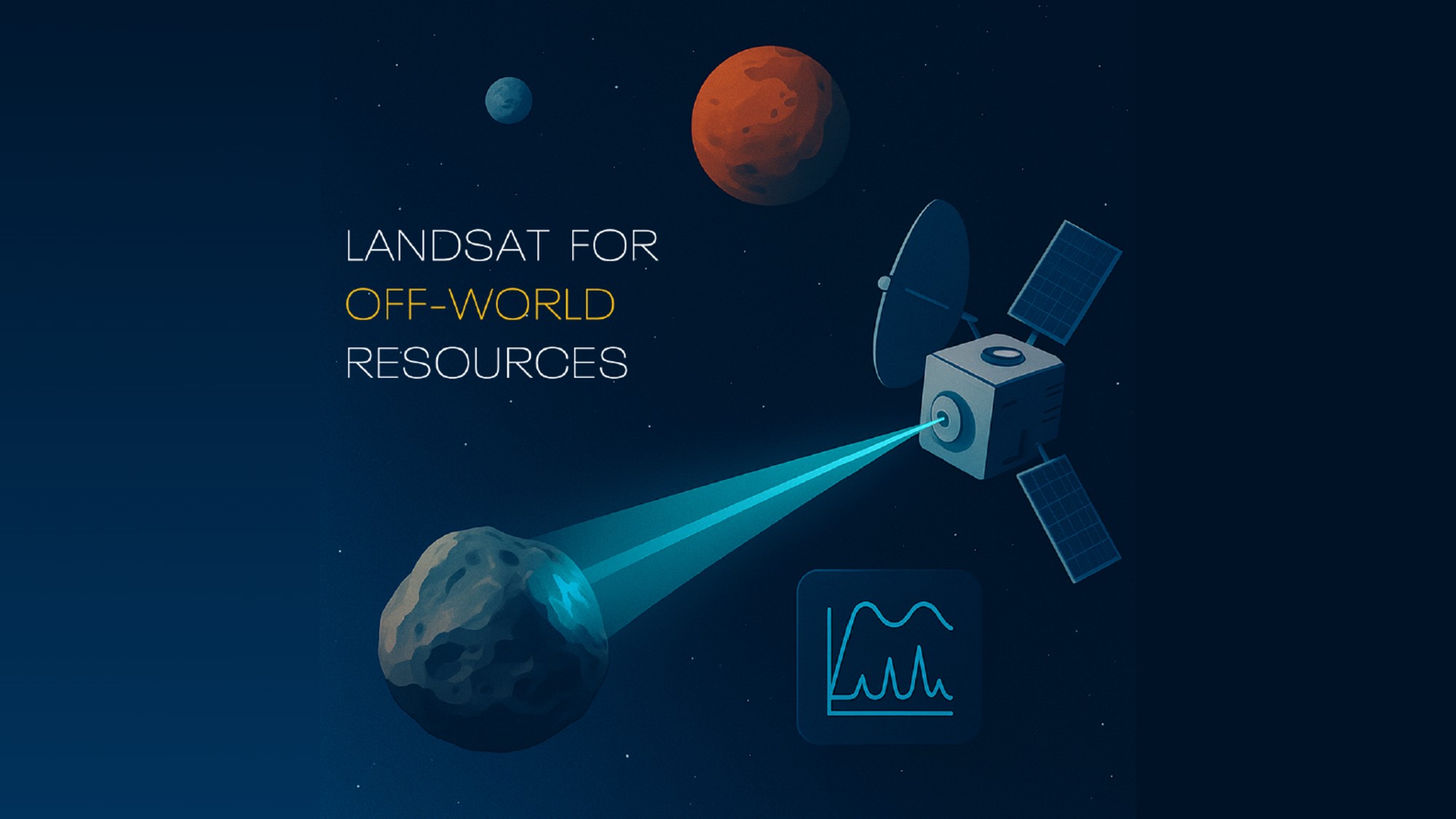
The Slingshot concept uses Raman spectroscopy, a technique that is commonly used close up to look for minerals or water. This method uses reflected light from a laser popped at a target to see the molecular structure of a mineral, which in turn reveals the mineral's composition. However, the main challenge for Interworld Slingshot Resource Surveys is the distance involved, as Raman scattering is very faint and hard to detect. The project team says that only about one photon in 10 trillion is Raman-scattered, making it a significant technical hurdle to overcome.
Key Findings And Implications
The NASA-funded study is exploring whether useful measurements can be made from much farther away, around 30 to 50 kilometers. Principal investigator Pablo Sobron, a research scientist at the SETI Institute, notes that the thing most likely to stop space mining may be that we cannot afford to prove there is anything worth mining. The Slingshot concept has received a Phase 1 grant from the NASA Innovative Advanced Concepts (NIAC) program, which aims to prove out conceptual ideas into something that could be further developed. The project will use the Phase 1 funding to study photons, lasers, pointing, and spacecraft propulsion and orbits.
Future Outlook And Potential Applications
The success of the Slingshot concept could have significant implications for space mining and exploration. Being able to map minerals on other worlds could help identify potential resources and inform decisions about where to establish bases or conduct mining operations. The project's use of Raman spectroscopy could also have applications in other areas, such as searching for signs of life on other planets. While the Slingshot concept is still in its early stages, it has the potential to make a significant contribution to our understanding of the solar system and the resources that are available to us.
Sources
This is an original synthesis by Qivorane based on reporting from the outlets below.