
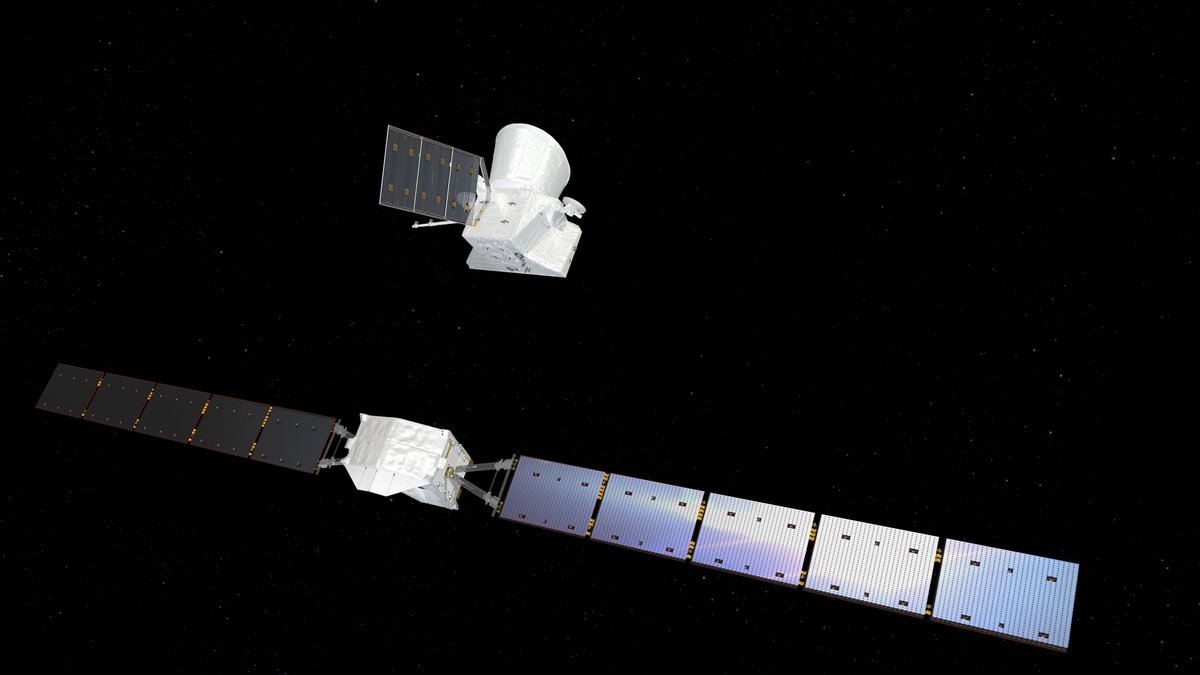
BepiColombo Nears Mercury
BepiColombo spacecraft nears Mercury after 8-year journey, set to explore planet's surface and interior
Introduction To Mercury Exploration
The planet Mercury, being the closest to the sun, poses significant challenges for spacecraft to study up close. Despite these challenges, the European Space Agency (ESA) and the Japan Aerospace Exploration Agency (JAXA) have collaborated on the BepiColombo mission, which has been traveling through space for eight years. This mission aims to explore Mercury's surface, interior, and interaction with the sun, providing valuable insights into the planet's mysteries.The BepiColombo Spacecraft
The BepiColombo spacecraft consists of two science orbiters: the ESA's Mercury Planetary Orbiter and JAXA's Mercury Magnetospheric Orbiter. These orbiters have recently separated from the spacecraft's Mercury Transfer Module, marking a critical step towards beginning their scientific operations. The orbiters will remain joined together until November, when they will enter orbit around Mercury, and then separate in December to start their independent orbital paths. The ESA orbiter will focus on gathering data on Mercury's topography and interior structure, while the JAXA orbiter will study the planet's magnetosphere and magnetic field.Scientific Objectives And Mysteries Of Mercury
Mercury is an enigmatic planet, with many mysteries waiting to be uncovered. The planet's surface is heavily cratered, and its magnetic field is offset from its core. The BepiColombo mission aims to tackle these mysteries by providing high-resolution images and data on the planet's surface and interior. The mission will also investigate the planet's magnetosphere, which is thought to be interacting with the solar wind in complex ways. By studying Mercury, scientists hope to gain a better understanding of the planet's formation and evolution, as well as its place in the solar system.Previous Exploration And Current Status
Previous missions to Mercury, such as NASA's Mariner 10 and MESSENGER spacecraft, have provided valuable insights into the planet's surface and magnetic field. However, these missions have also left many questions unanswered. The BepiColombo mission is designed to build on these previous efforts, providing a more comprehensive understanding of Mercury's mysteries. With the orbiters now separated from the transfer module, the mission is on track to begin its scientific operations in April 2027. Scientists are eagerly awaiting the new data and insights that the BepiColombo mission will provide, which will help to shed light on the many mysteries of Mercury.Future Outlook And Implications
The BepiColombo mission has the potential to revolutionize our understanding of Mercury and the solar system. By providing high-resolution images and data on the planet's surface and interior, the mission will help scientists to better understand the planet's formation and evolution. The mission will also provide valuable insights into the planet's magnetosphere and its interaction with the solar wind. With the mission's scientific operations set to begin in April 2027, scientists are eagerly awaiting the new discoveries and insights that will be gained. The BepiColombo mission is an exciting example of international collaboration and scientific exploration, and its findings are expected to have significant implications for our understanding of the solar system.Conclusion And Next Steps
In conclusion, the BepiColombo mission is a significant step forward in the exploration of Mercury. With its two science orbiters now separated from the transfer module, the mission is on track to begin its scientific operations in April 2027. Scientists are eagerly awaiting the new data and insights that the mission will provide, which will help to shed light on the many mysteries of Mercury. As the mission progresses, it is expected to provide valuable insights into the planet's surface, interior, and magnetosphere, and will help to advance our understanding of the solar system.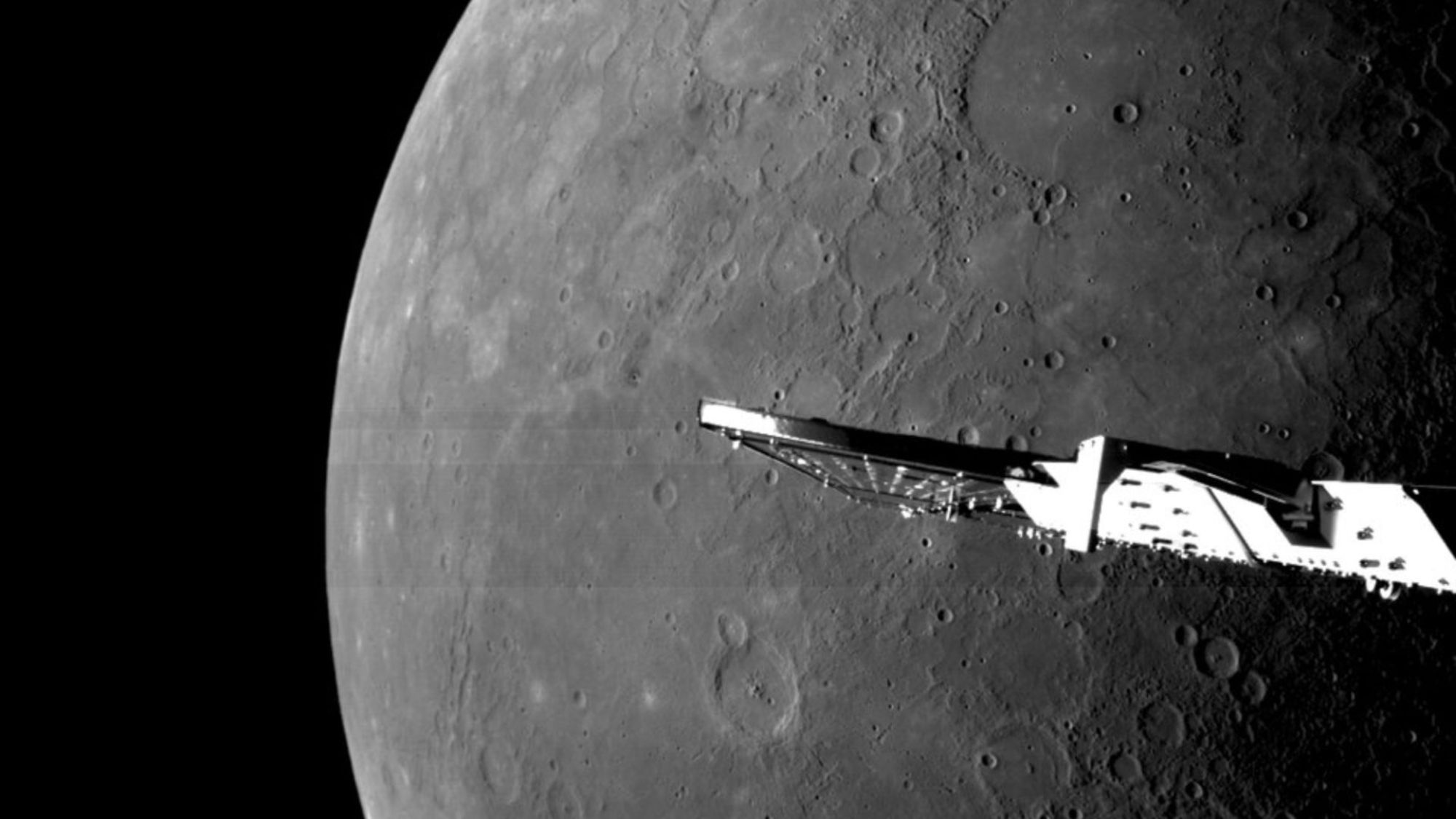
Sources
This is an original synthesis by Qivorane based on reporting from the outlets below.