
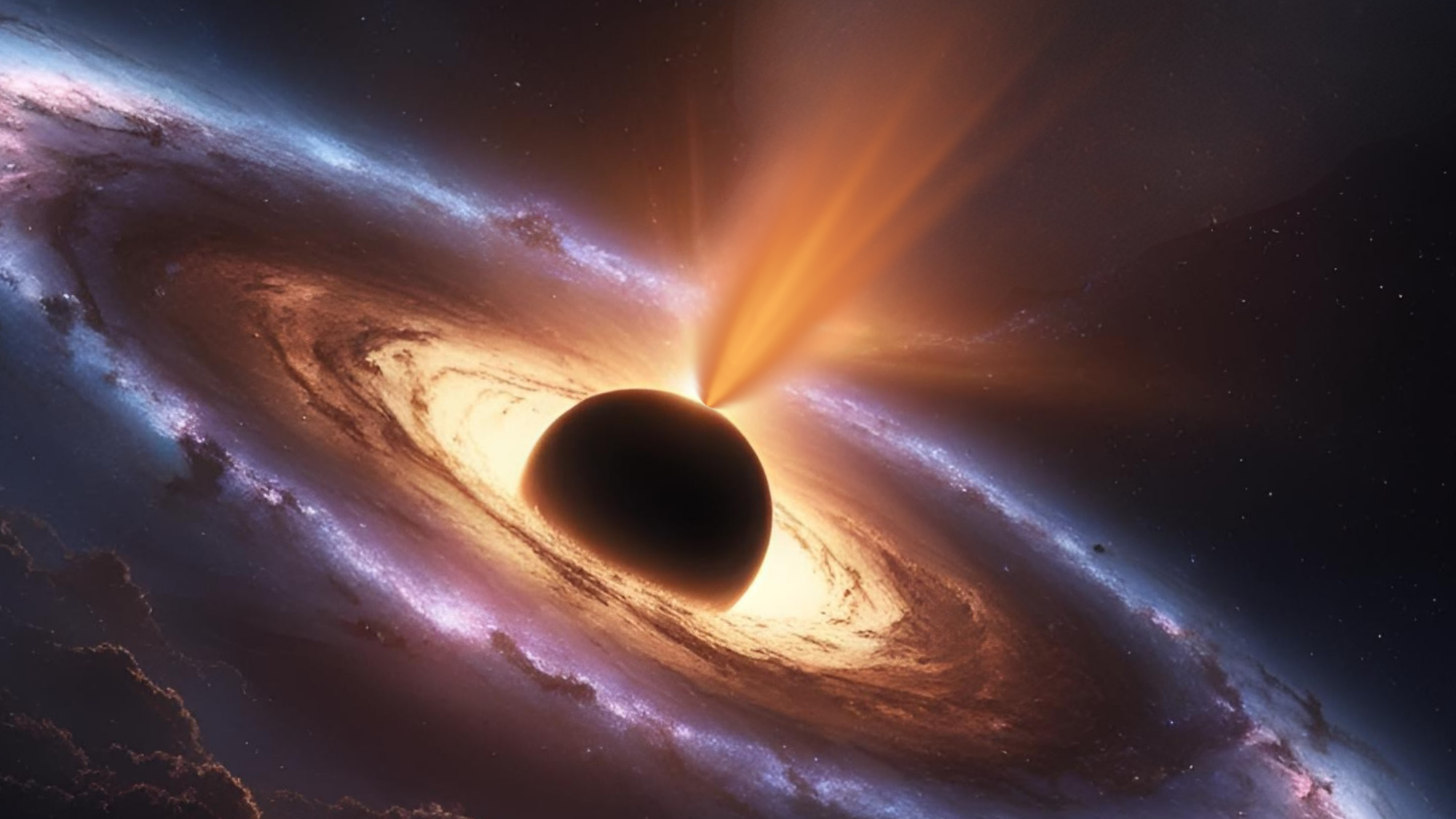
Not-Quite-Primordial Black Holes
Researchers propose new explanation for ancient black holes in early universe
Introduction To Not-Quite-Primordial Black Holes
The James Webb Space Telescope (JWST) has been making groundbreaking discoveries in the early universe, but one finding has left astronomers baffled: the presence of numerous ancient black holes that seem to defy theoretical predictions. According to Priyamvada Natarajan at Yale University, "James Webb is discovering many more black holes than most of us theorists predicted in our most optimistic models." A new proposal by theoretical physicists Wenzer Qin, Neal Weiner, and Soubhik Kumar suggests that these black holes could be "not-quite-primordial," forming in the early universe through a process involving dark matter and the cosmic microwave background.The Formation Of Not-Quite-Primordial Black Holes
The researchers propose that large black holes could form inside clumps of dark matter, with the hot cosmic microwave background (CMB) preventing gas and dust from collapsing into smaller black holes. This idea provides an alternative to the existing theory of primordial black holes, which formed in violent space-time spasms in the early universe. The "not-quite-primordial" black hole model invokes less speculative physics and could explain the presence of ancient black holes in the early universe. As John Regan at Maynooth University, Ireland, notes, "What's nice about the model is that it invokes less speculative physics than traditional primordial black hole physics."Observational Evidence And Future Directions
The JWST has been spotting supermassive black holes in the early universe that seem too massive to have formed so quickly. However, new research suggests that these black holes may not be as massive as previously thought. A team led by Alessandro Trinca at the Italian National Institute for Astrophysics (INAF) Astronomical Observatory of Rome estimates that these black holes have masses of roughly one to ten million solar masses, which is more consistent with the small galaxies that host them. The team also found that the lack of X-ray emission from these black holes could be a clue to their true nature, rather than a problem.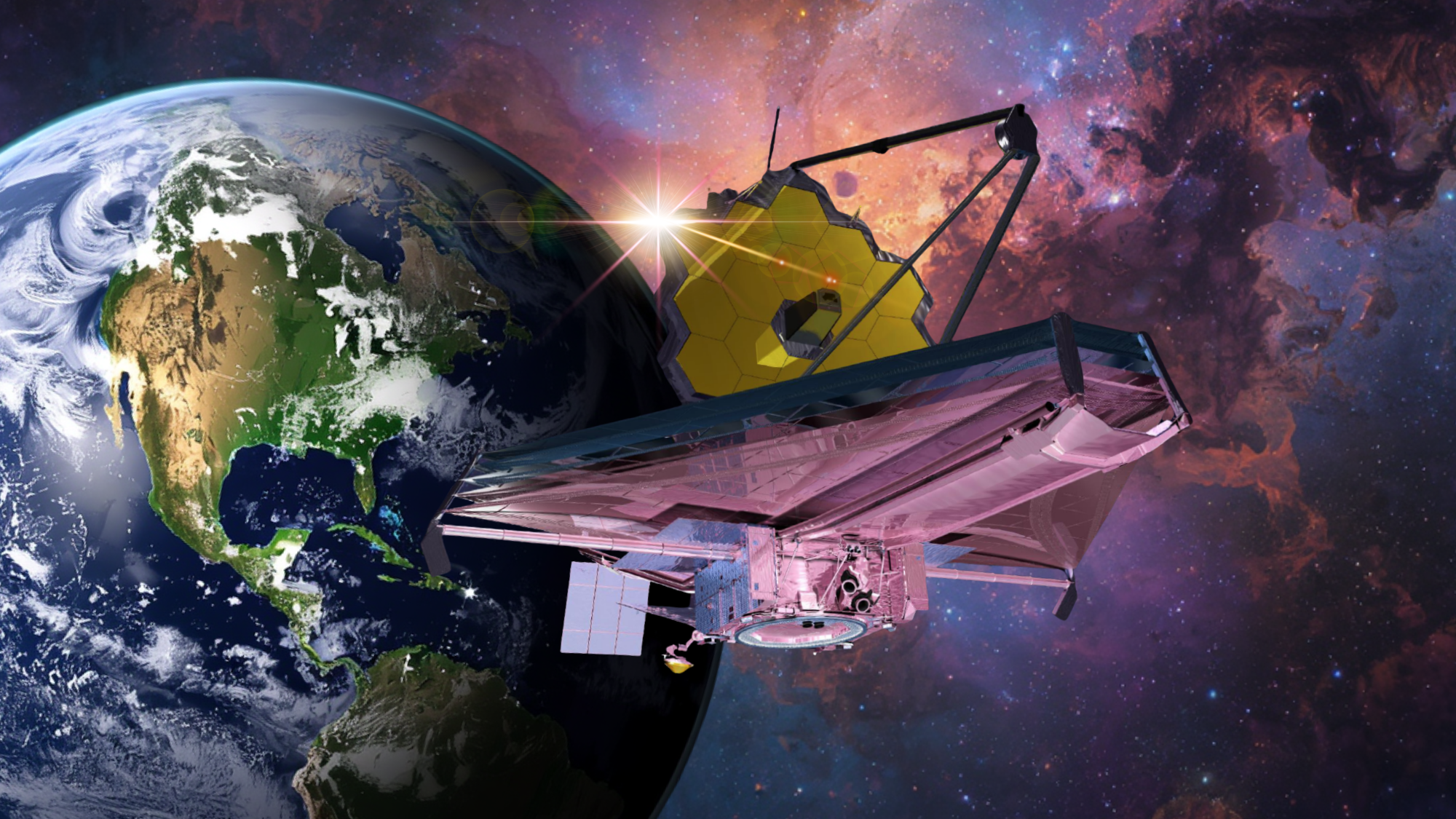
Implications And Future Outlook
The discovery of ancient black holes in the early universe has significant implications for our understanding of the cosmos. If the "not-quite-primordial" black hole model is correct, it could provide a new explanation for the formation of supermassive black holes in the early universe. Future observations, such as those from the proposed Primordial Inflation Explorer (PIXIE) satellite, could provide further evidence for this model. Additionally, the study of X-ray emission from supermassive black holes could provide insights into their growth and evolution. As researchers continue to explore the early universe, they may uncover more secrets about the formation and evolution of black holes, shedding new light on the mysteries of the cosmos.Comparison Of Research Findings
The two research teams, one led by Qin and the other by Trinca, have proposed different explanations for the presence of ancient black holes in the early universe. While Qin's team suggests that these black holes could be "not-quite-primordial," Trinca's team proposes that they may not be as massive as previously thought. Both teams agree that the current theoretical models are insufficient to explain the observations, and that new physics may be required to understand the formation and evolution of supermassive black holes in the early universe.Conclusion And Future Research Directions
In conclusion, the discovery of ancient black holes in the early universe has sparked a new wave of research into the formation and evolution of these mysterious objects. The "not-quite-primordial" black hole model and the proposal that supermassive black holes may not be as massive as previously thought provide two alternative explanations for the observations. Further research is needed to determine the validity of these models and to uncover the secrets of the early universe. As scientists continue to explore the cosmos, they may uncover more surprises that challenge our current understanding of the universe and its evolution.Sources
This is an original synthesis by Qivorane based on reporting from the outlets below.