
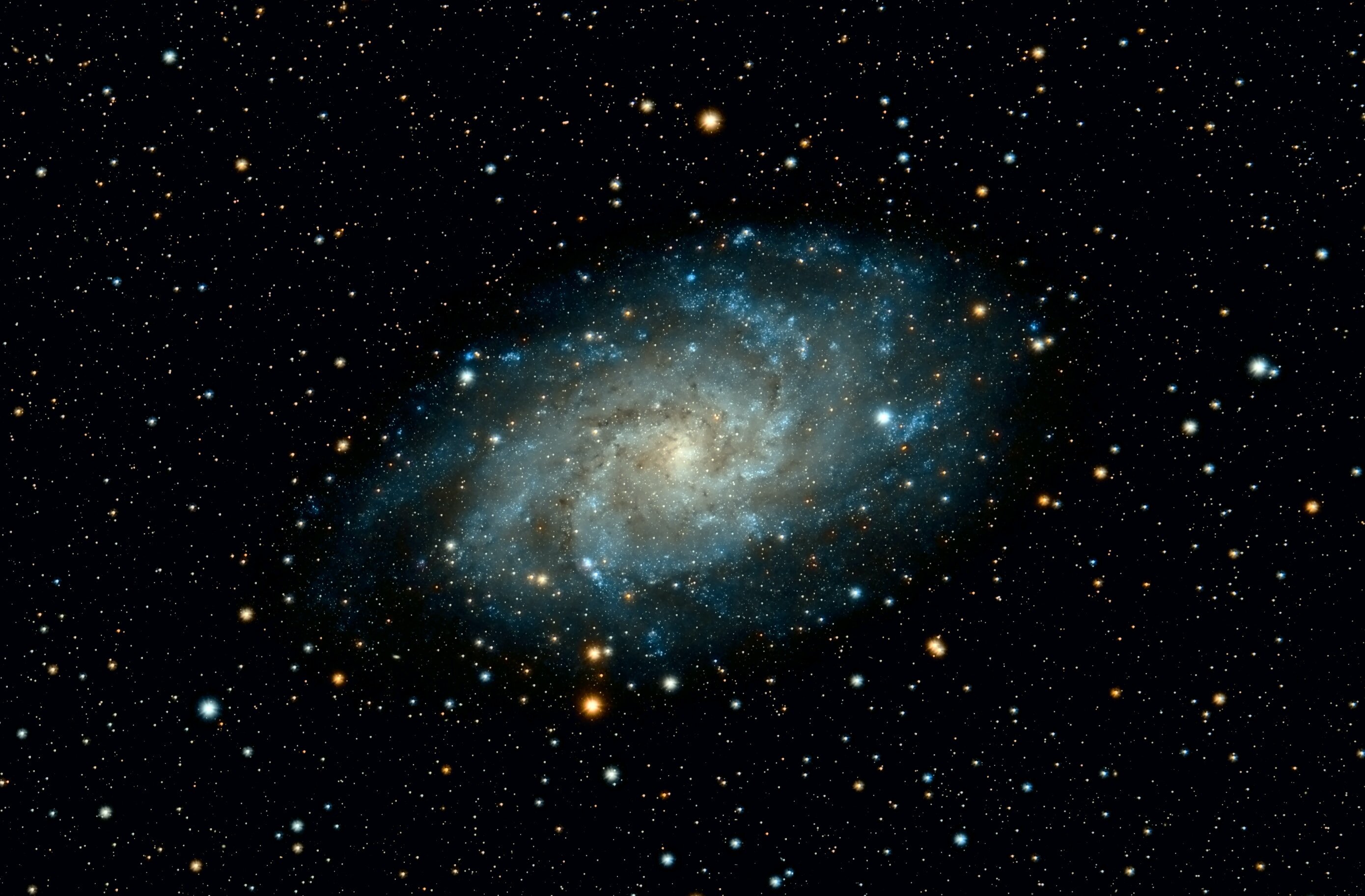
Manganese Emission Lines
Astronomers discover manganese emission lines to study galactic evolution
Introduction To Galactic Evolution
A team of astronomers has made a significant discovery that could shed light on the chemical evolution of the universe. By studying the emission lines of manganese, an element produced during stellar explosions called supernovae, researchers have identified wavelengths of light that could be useful for tracing the chemical evolution of the universe. This breakthrough has the potential to reveal new insights into the formation of heavy elements, the evolution of stars and planets, and the composition of galaxies.
Understanding Manganese's Role
Manganese is a key element in the universe, as its abundance increases over time. This makes it a useful cosmological clock, allowing researchers to learn more about the evolution of galaxies. By measuring manganese abundances, scientists can gain insight into the ever-expanding nature of the universe. Additionally, by combining emission line data with other known facts about important elements like oxygen and sulfur, researchers may be able to view some of the earliest observable epochs in the history of the universe.
Modeling Emission Lines
To overcome the limitations of detecting faint emission lines, the research team employed powerful computing systems to model the behavior of over 700 potential emission lines using atomic physics calculations. This work, which would have otherwise taken years to complete, has provided valuable insights into the conditions of complex space environments. The findings suggest that once paired with real-world astronomical observations, these conclusions could be used to predict the conditions of other types of complex space environments.
Implications And Future Research
The discovery of manganese's emission lines has significant implications for our understanding of the universe. By studying these emission lines, researchers can gain insight into the chemical composition of galaxies, the evolution of stars and planets, and the composition of the universe as a whole. The team plans to verify their data using the James Webb Space Telescope and other ground-based observatories, and the results will be made publicly available for other researchers to compare and analyze.
The study of manganese's emission lines is an exciting area of research that has the potential to reveal new secrets about the universe. As scientists continue to explore and understand the role of manganese in the cosmos, they may uncover new insights into the evolution of the universe and the composition of everything within it.
Conclusion And Future Outlook
In conclusion, the discovery of manganese's emission lines is a significant breakthrough in our understanding of the universe. The study of these emission lines has the potential to reveal new insights into the chemical evolution of the universe, the formation of heavy elements, and the composition of galaxies. As researchers continue to explore and understand the role of manganese in the cosmos, they may uncover new secrets about the universe and its evolution. The future of this research is exciting, and it has the potential to lead to new discoveries and a deeper understanding of the universe.
Sources
This is an original synthesis by Qivorane based on reporting from the outlets below.