
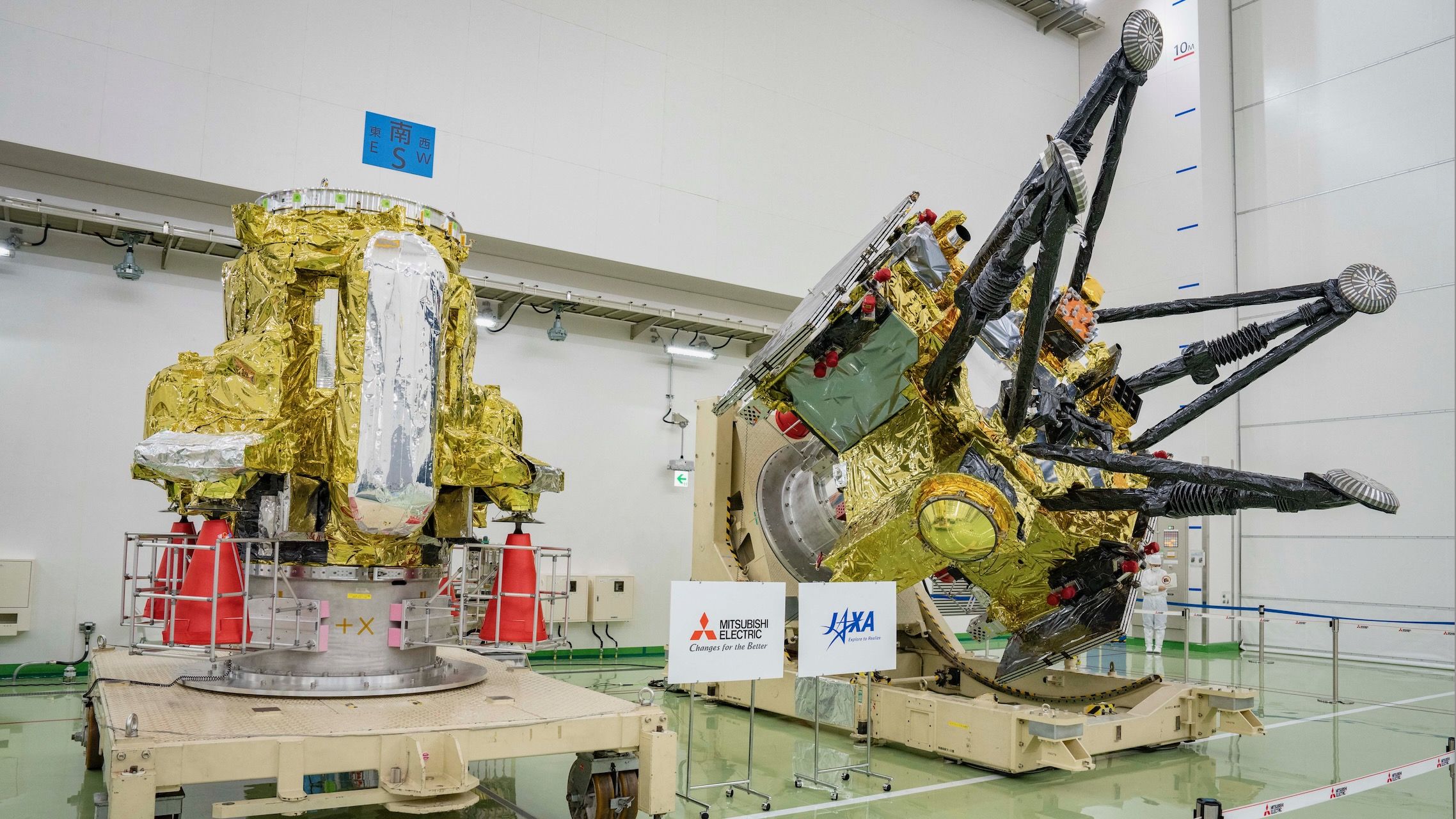
Japan Unveils Mars Moon Sample Return Spacecraft
Japan's MMX spacecraft to collect samples from Mars moon Phobos and return to Earth in 2031
Introduction To Mars Moon Sample Return
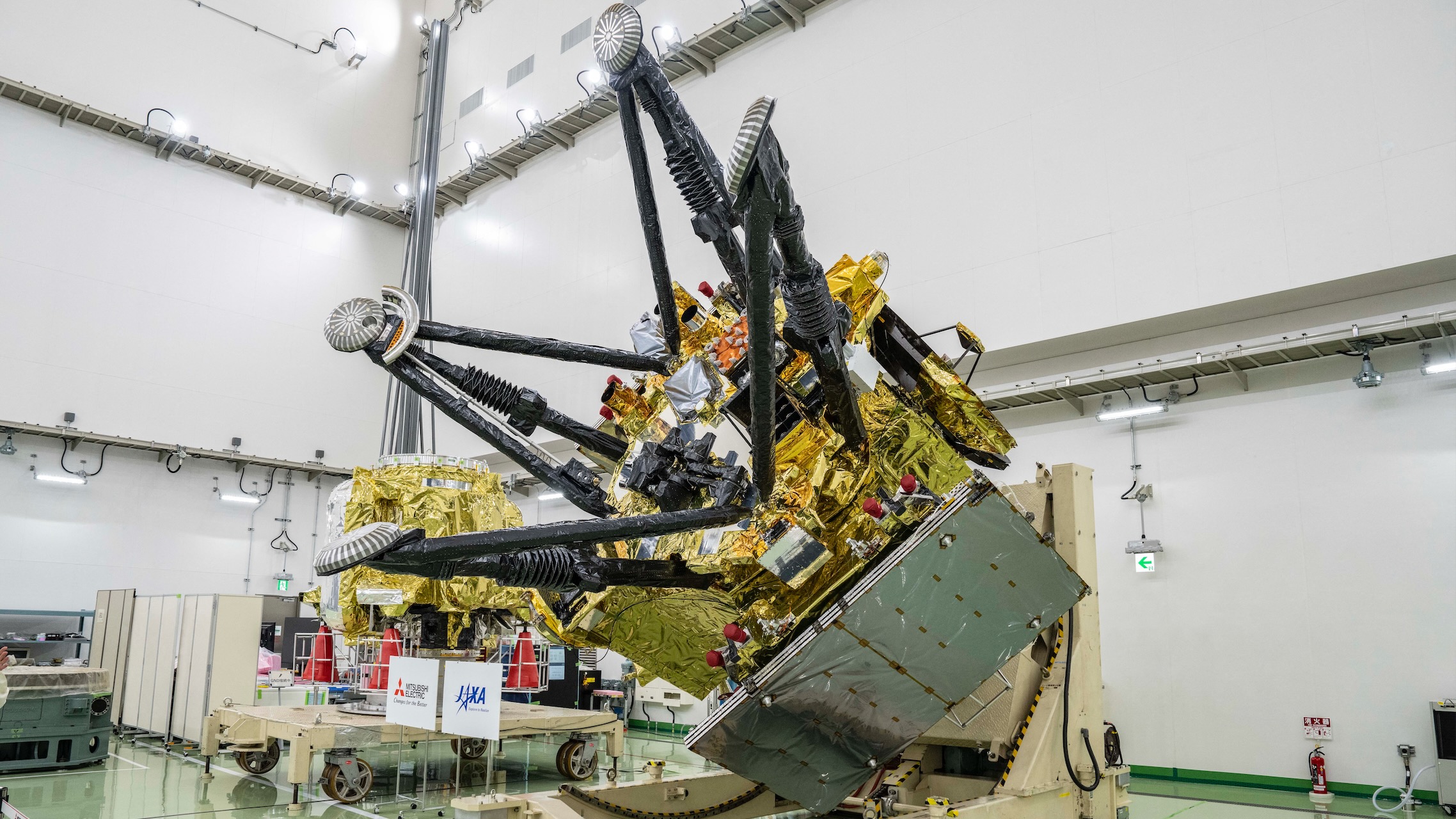
Japan has unveiled its Martian Moons eXploration (MMX) spacecraft, which aims to collect samples from the Mars moon Phobos and return them to Earth. The mission is scheduled to launch on October 19, 2026, aboard an H3 rocket from the Tanegashima Space Center. This ambitious project will help scientists understand the nature and origin of Phobos and Deimos, the two small moons of Mars.Spacecraft Design And Mission Objectives
The MMX spacecraft consists of two main modules: the Propulsion Module and the Exploration and Return Modules. The spacecraft will travel to Mars, map and study its two moons, and then land on Phobos to collect samples. A 55-pound French-German rover called Idefix will also be deployed to study Phobos' surface in detail. The MMX spacecraft will then spiral down toward Phobos, make contact, and collect about 0.35 ounces of material. The samples will be returned to Earth in 2031, providing valuable insights into the formation and composition of the Mars moons.Scientific Significance And Potential Discoveries
The MMX mission has the potential to shed light on the heavily debated topic of how Mars and its moons formed. Scientists believe that Phobos and Deimos may be remnants of early Mars, created from debris produced by a giant impact with the young planet. Alternatively, they could be asteroids captured by Mars' gravity, bringing material from the outer solar system. The returned samples will be analyzed to determine the origin and composition of the Mars moons, which will help scientists better understand the formation and evolution of the solar system.Challenges And Previous Attempts
The MMX mission is not the first attempt to collect samples from the Mars system. Russia's Phobos-Grunt mission failed shortly after its launch in 2011, and the Soviet Union's probes to Phobos in 1988 did not meet their mission objectives. NASA is also planning to collect and return samples from Mars, but the project has been deemed too expensive, and alternative options are being explored. Japan, however, has a history of success with small-body sample-return missions, including the Hayabusa mission, which brought back pieces of the asteroid Itokawa in 2010.Launch And Mission Timeline
The MMX spacecraft is scheduled to launch on October 19, 2026, at 3:41 p.m. EDT (1941 GMT; 4:41 a.m. on October 20 Japan time). The spacecraft will spend about a year traveling to Mars and will stay in orbit around the Red Planet for approximately three years. The mission will attempt to land on Phobos, collect samples, and return them to Earth in 2031. The success of the MMX mission will depend on the careful planning and execution of each stage of the mission.Future Implications And Potential Applications
The MMX mission has significant implications for future space exploration, particularly for crewed missions to Mars. The technology developed for the MMX mission could be used to establish a "natural space station" on Phobos, which would be essential for round-trip missions to Mars. The mission will also provide valuable insights into the formation and evolution of the solar system, which will help scientists better understand the origins of life on Earth.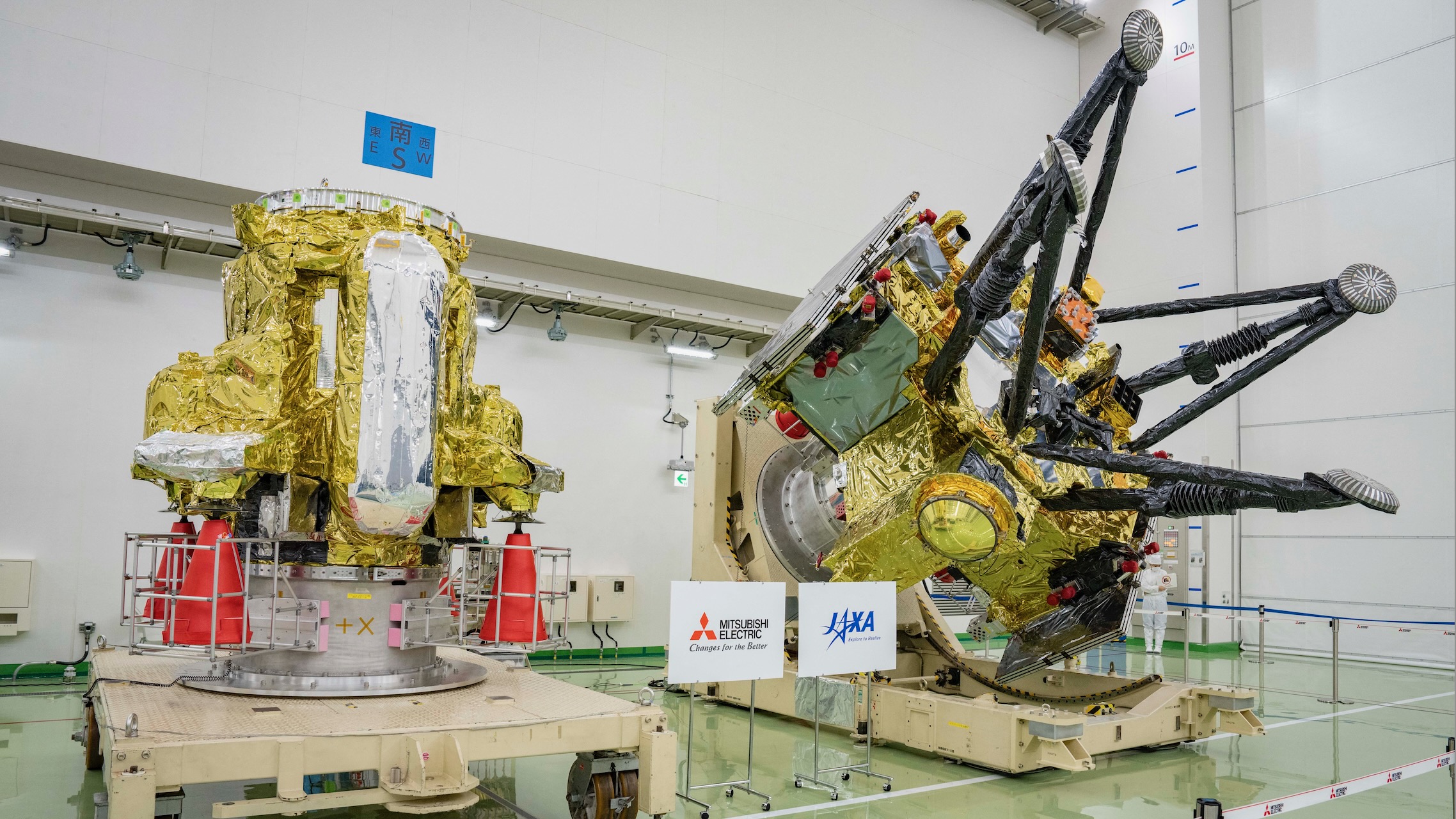


Sources
This is an original synthesis by Qivorane based on reporting from the outlets below.