
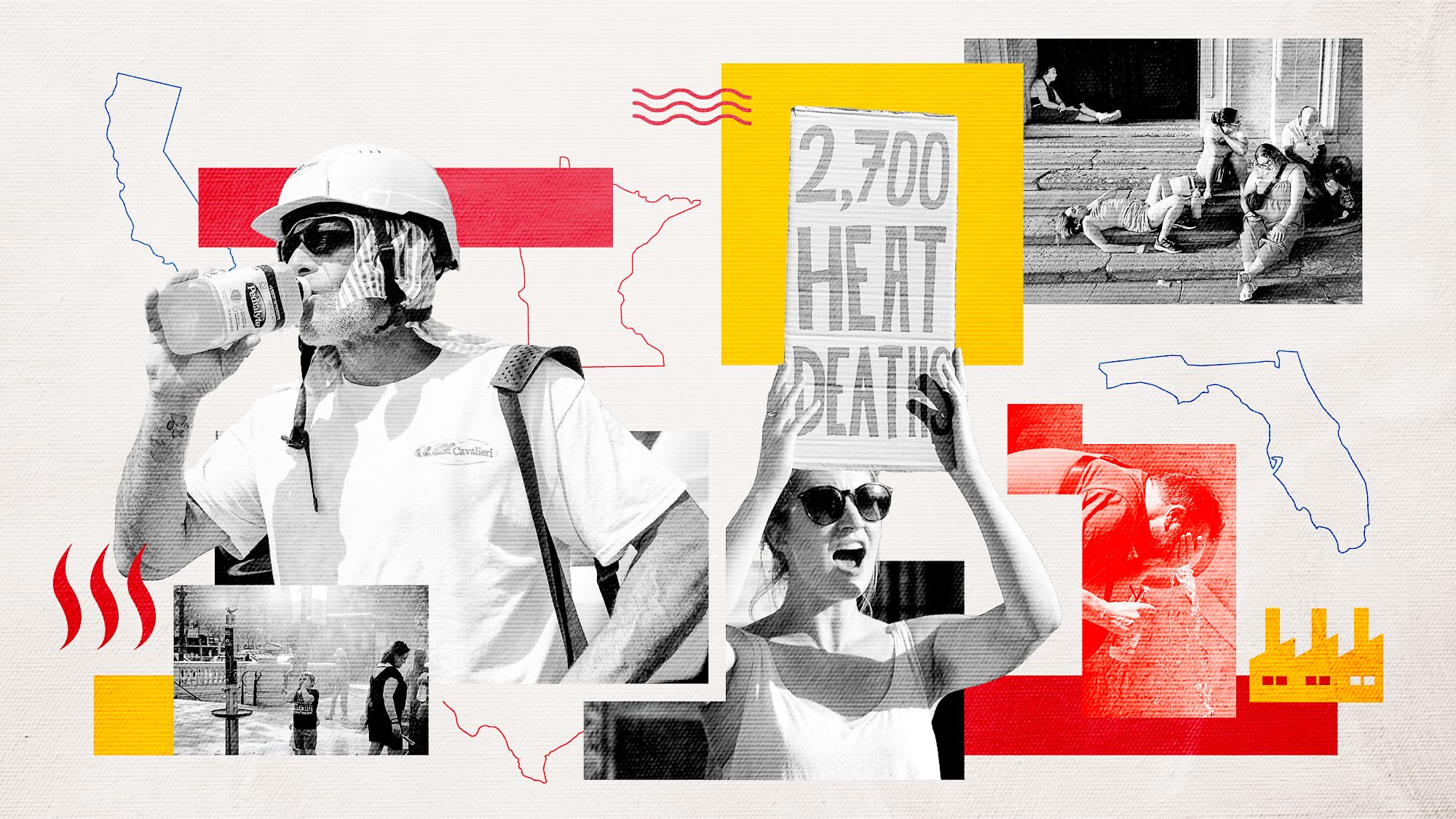
Climate Change Triples Heat Waves
Climate change to triple US heat waves over 105 F, dire health impacts expected
Introduction To Climate Change And Heat Waves
Climate change is having a profound impact on the world, and one of the most significant effects is the increase in heat waves. Researchers at Purdue University and the University of New South Wales have been investigating the upper temperature limit at which humans can survive, and their findings are alarming. The "wet bulb" temperature, which takes into account both heat and humidity, has an absolute threshold of 95 degrees Fahrenheit (35 degrees Celsius) at 100% humidity, beyond which the human body cannot survive.
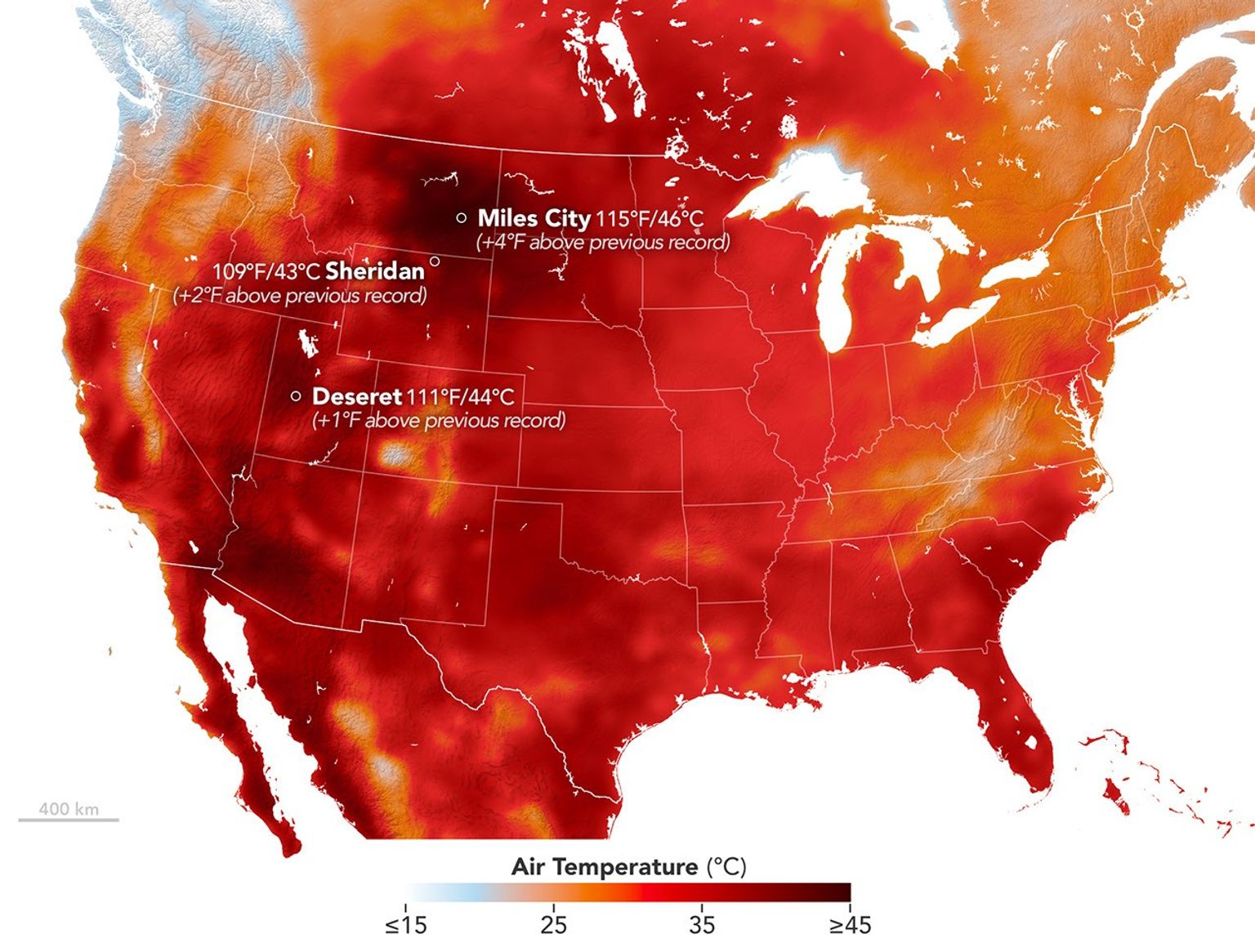
A recent study found that some parts of Asia, South America, and Australia are already experiencing "unlivable" days, where even healthy adults sitting in the shade can be at risk of heat illness. The same risk is also present in parts of North America, particularly in the Southwest and Southeast. As the climate continues to warm, these heat waves will become more common, and the consequences will be dire.
Understanding The Impact Of Heat Waves On Human Health
Heat waves can have a devastating impact on human health, particularly for vulnerable populations such as the elderly, women, and those with certain medical conditions. Physical activity can also increase the risk of heat stress, making it essential to take precautions during hot weather. The threshold for heat stress is lower for these groups, and even temperatures that may seem moderate can be dangerous.
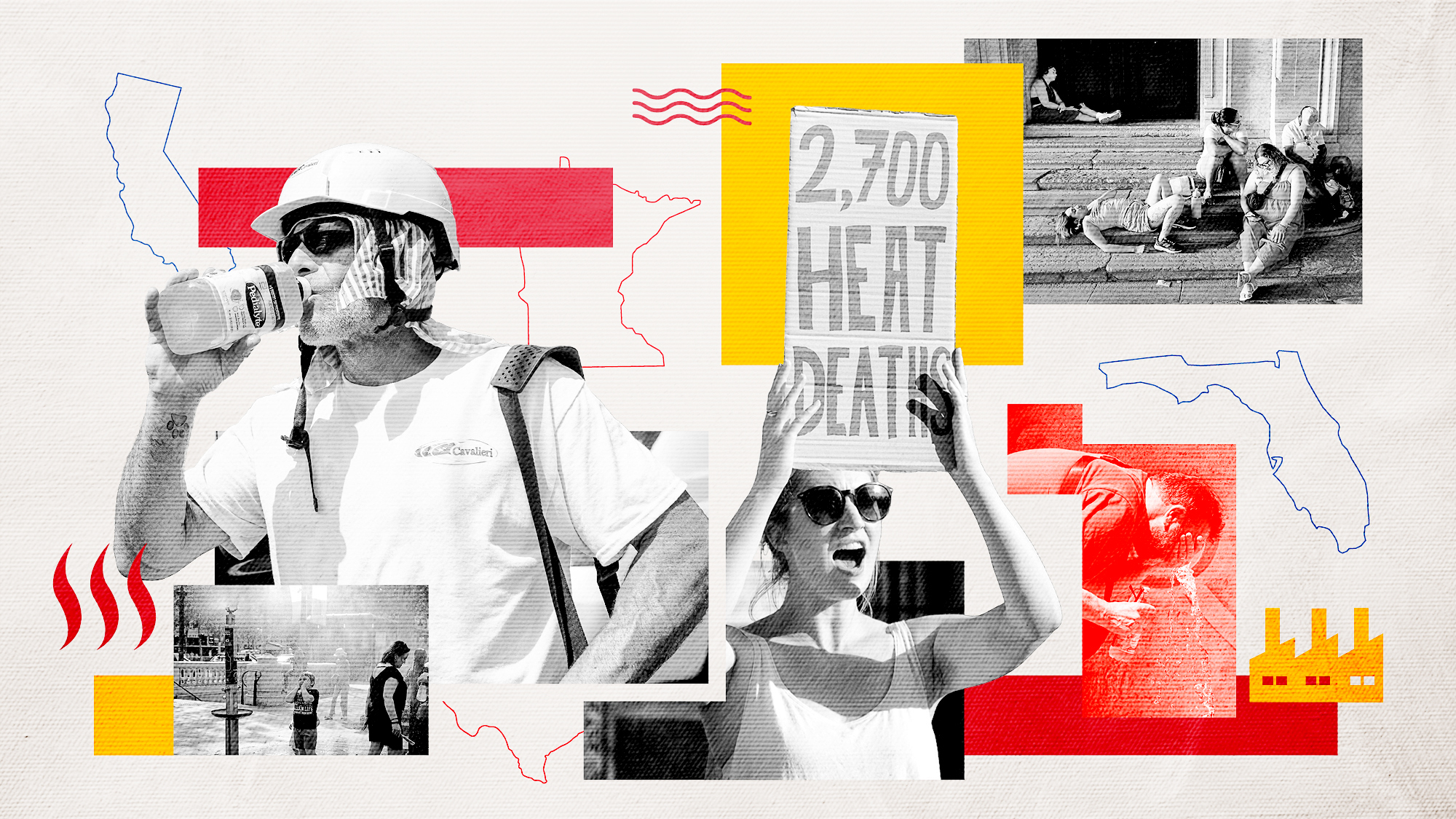
Heat can kill directly through heat stroke, which occurs when the core body temperature soars over 104 F (40 C) and doesn't cool down. However, heat can also worsen underlying cardiovascular health, turning chronic, manageable heart conditions deadly. Additionally, heat waves often occur hand in hand with droughts or other extreme weather, leading to food and water price hikes or shortages, which can further exacerbate health problems.
Climate Change And The Increase In Heat-Related Deaths
Climate change is projected to triple the number of days over 105 F in the US, leading to tens of thousands more heat-related deaths by 2100. Nearly 20,000 people could die from extreme heat each year by the middle of the century in the United States, and the U.S. and Mexico could see an additional 9,000 suicides each year. Heat-related deaths have already increased over the past several decades, with a 63% rise in heat-related deaths in the US between 1999 and 2023.
Scientists believe that heat already contributes to many more deaths than are officially recorded, as heat is not always listed as a contributor to death on official records. Heat is particularly hard on people with cardiovascular issues, with the risk of a heart attack more than doubling on extreme heat days. The risk of stroke also nearly doubles on the hottest days.
Real-World Implications And Future Outlook
The real-world implications of climate change and heat waves are far-reaching and devastating. As the climate continues to warm, heat waves will become more frequent and intense, leading to increased mortality and morbidity. It is essential to take action to mitigate the effects of climate change and to develop strategies to protect vulnerable populations from heat stress.
Marina Romanello, a senior research fellow at the University College London Institute for Global Health, notes that climate change acts as a stress multiplier, exacerbating existing health problems and creating new ones. She emphasizes that no individual metric can capture the overall risk to health and well-being of the multiple stressors being exacerbated by climate change.
Conclusion And Call To Action
In conclusion, climate change is having a profound impact on the world, and the increase in heat waves is one of the most significant effects. The consequences of heat waves on human health are dire, particularly for vulnerable populations. It is essential to take action to mitigate the effects of climate change and to develop strategies to protect vulnerable populations from heat stress.

We must work together to reduce greenhouse gas emissions and to develop sustainable solutions to address the impacts of climate change. By taking action now, we can reduce the risks associated with heat waves and create a healthier, more sustainable future for all.
Sources
This is an original synthesis by Qivorane based on reporting from the outlets below.