

Record El Niño Expected
El Niño to be strongest on record, causing extreme weather
Introduction To El Niño
El Niño, a natural climate phenomenon, is expected to be the strongest on record in 2026, threatening to unleash extreme weather across the globe and make 2027 the hottest recorded year by far. This year's El Niño is characterized by the warming phase of a natural cycle in the tropical Pacific known as the El Niño-Southern Oscillation (ENSO), which sets in when trade winds that blow from east to west temporarily ease up, allowing warm water to slide back east and rise to the surface.Understanding The Science Behind El Niño
The warming of the ocean water during an El Niño event causes more storms and clouds over the region, leading to ripple effects through the entire global atmosphere. According to Emily Becker, a climate scientist at the University of Miami, the upshot is hotter and drier conditions in some places and cooler, wetter conditions in others. The effects of El Niño are already being felt, with Indonesia's long, intense dry season feeding wildfires that have burned hundreds of thousands of hectares.
Current Status And Predictions
Daily sea surface temperatures in the Niño 3.4 region are currently running about 2.6°C above a rolling 30-year average, according to the Climate Brink dashboard. The dashboard also aggregates forecasts that put El Niño on course to peak at a 3.9°C anomaly this November, well above the 3°C anomaly detected in the 2015 El Niño. This would make 2027 a near certainty for the top spot as the hottest year on record, with climate scientists Zeke Hausfather and Andrew Dessler estimating that El Niño will add a temporary 0.3°C on top of the long-term global warming trend.
Impacts And Implications
The Met Office has warned that the El Niño event is likely to be the strongest in living memory, with growing evidence that weather patterns around the world are already being affected. Below-average monsoon rains in India and suppressed hurricane activity in the Atlantic Ocean are just a few examples of the extreme weather that can be expected. The UK is also at greater risk of a wet, stormy autumn, with signs of a very unsettled spell already showing up in long-range forecasts. According to Prof Adam Scaife, head of long-range forecasting at the UK Met Office, "We should be clear that this is an unprecedented event. I have never seen an El Niño signal this intense in our forecasts."
Climate Change And El Niño
While there is no clear evidence that climate change is making El Niño events more likely, its weather impacts are likely to be more extreme in a warming world. The World Meteorological Organisation (WMO) says that there is "no evidence that climate change increases the frequency or intensity of El Niño events." However, the 2021 report from the Intergovernmental Panel on Climate Change (IPCC) said that the intensity of El Niño has increased since 1950, when compared with the period dating back to around 1400.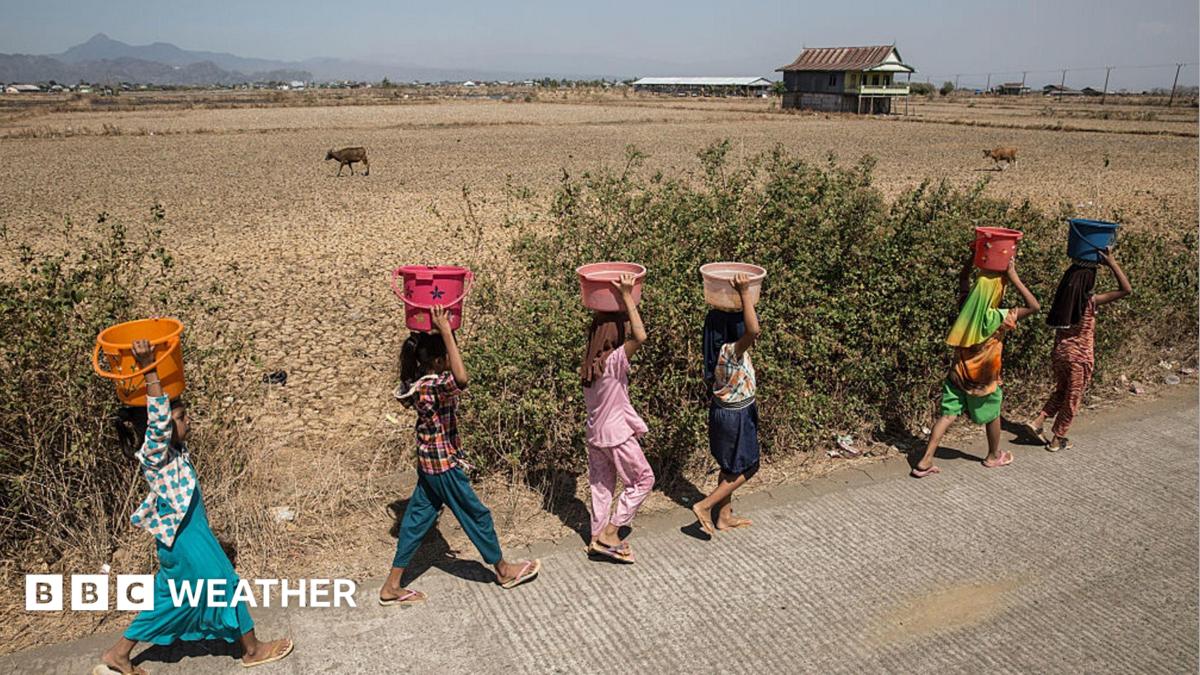
Conclusion And Future Outlook
In conclusion, the record-breaking El Niño event expected in 2026 is likely to have significant impacts on the global climate, with extreme weather events and record-breaking temperatures expected. While the relationship between climate change and El Niño is still being researched, it is clear that the effects of El Niño will be more extreme in a warming world. As the world prepares for the potential consequences of this event, it is essential to continue monitoring and researching El Niño to better understand its impacts and implications.Sources
This is an original synthesis by Qivorane based on reporting from the outlets below.
- [1] Phys.org: What a record-breaking El Niño could mean for the world
- [2] BBC Science & Environment: El Niño set to be 'strongest in living memory', says Met Office