

Astronauts Struggle With Constipation
Scientists discover why astronauts get constipated in space, revealing a hidden risk of long-haul spaceflight
Introduction To Space Constipation
Scientists have long been aware that astronauts struggle with constipation in space, but the exact reasons behind this phenomenon have remained unclear. However, a new study published in Nature Communications has finally shed light on the issue, revealing that microgravity plays a significant role in the digestive problems experienced by astronauts. The research, which analyzed blood samples from 52 astronauts, found that the lack of gravity in space causes food to move more slowly through the intestine, leading to changes in the way gut bacteria break down food.The Impact Of Microgravity On Digestion
The study found that the gut bacteria in astronauts' intestines begin to ferment protein to a greater extent than usual, which can lead to constipation. This switch to protein fermentation occurs within weeks of arriving in space and can persist until the astronauts return to Earth. The researchers believe that the slower intestinal movement caused by microgravity is responsible for this change in gut bacteria behavior.
Experimental Methodology
The researchers analyzed over 400 blood samples from 52 astronauts who spent more than two months on the International Space Station between 2006 and 2018. They looked for specific metabolites, the byproducts of metabolic processes, and identified 40 compounds. The most instructive compounds were those produced by gut bacteria that help break down proteins in the intestines. By studying these compounds, the researchers were able to gain a better understanding of how microgravity affects the digestive system.Real-World Implications
The findings of this study have significant implications for long-haul spaceflight. Constipation can be more than just an inconvenience for astronauts; it can also have serious health consequences. The researchers warn that chronic constipation can lead to a range of problems, including bloating, indigestion, and acid reflux. Furthermore, the changes to gut bacteria behavior could potentially have long-term effects on astronauts' overall health.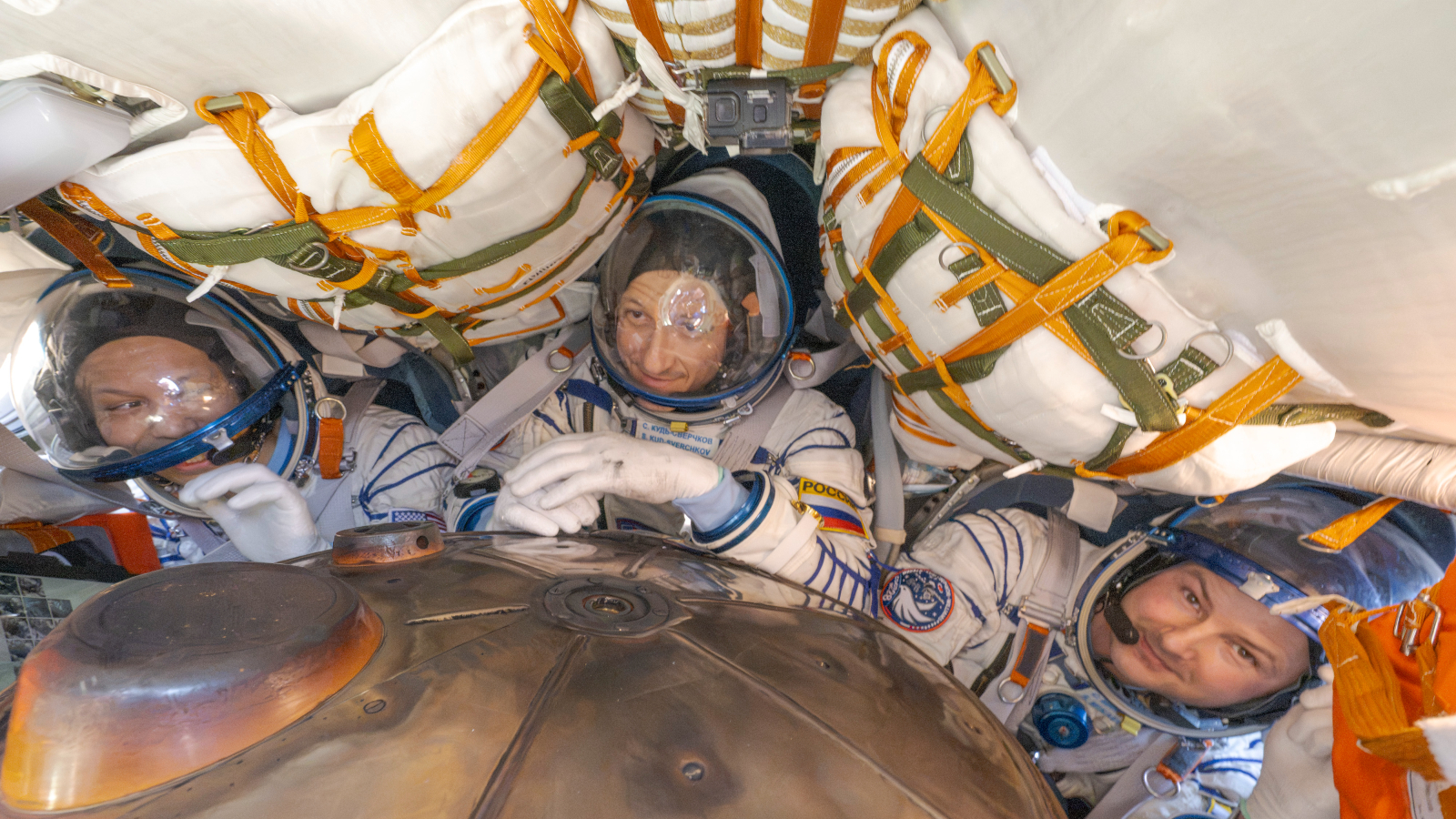
Future Outlook
As humans prepare to embark on long-haul missions to Mars and beyond, it is essential to address the issue of constipation in space. The researchers suggest that dietary changes, such as increasing fiber intake, could help mitigate the effects of microgravity on the digestive system. Additionally, the development of new treatments for constipation, such as laxatives or probiotics, could be crucial for the health and well-being of astronauts on long-duration missions.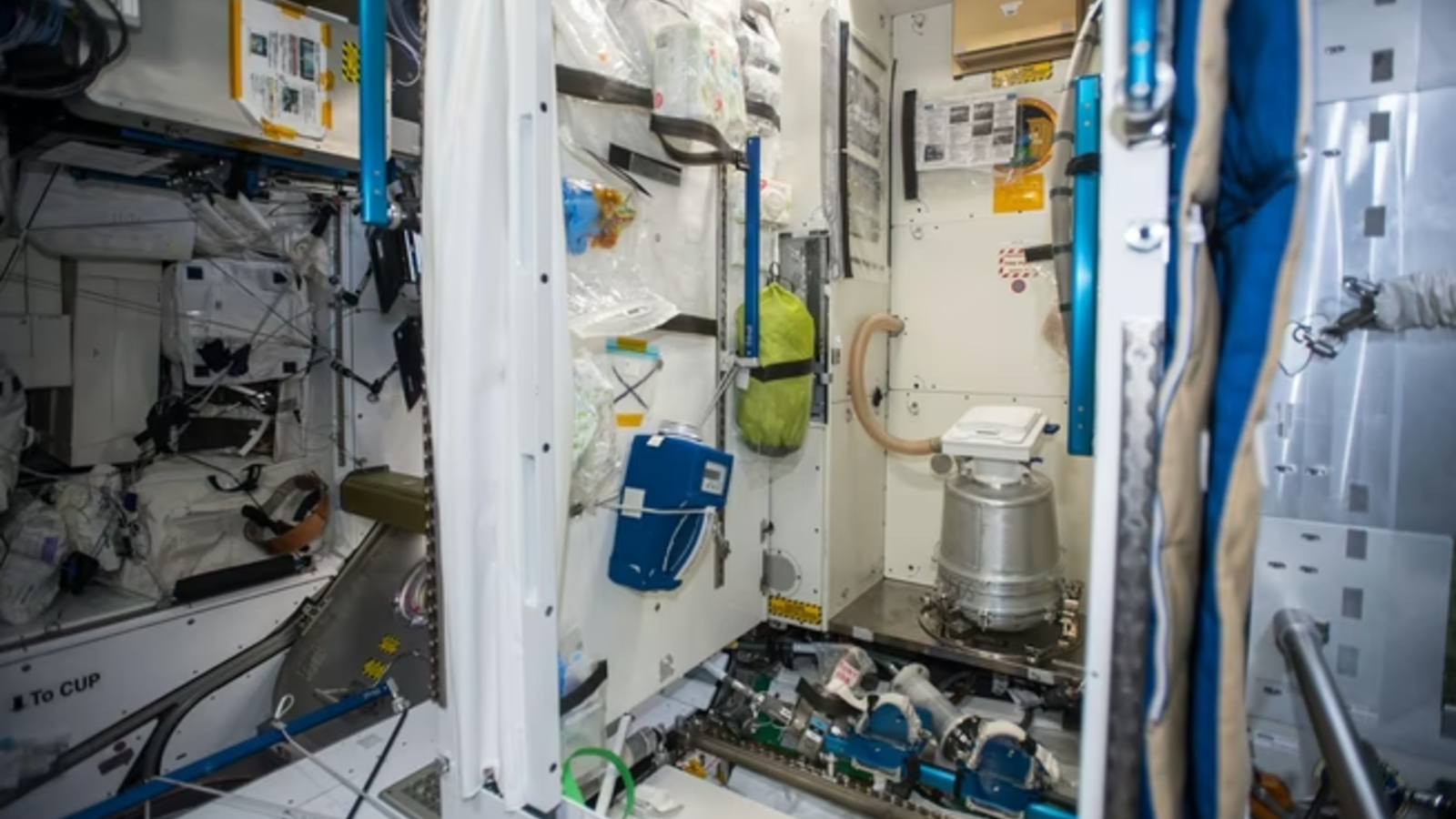
Conclusion And Recommendations
In conclusion, the study provides valuable insights into the effects of microgravity on the digestive system. The findings highlight the need for further research into the health consequences of long-haul spaceflight and the development of effective countermeasures to mitigate these effects. By understanding the causes of constipation in space, scientists can work towards creating a healthier and more sustainable environment for astronauts on future missions.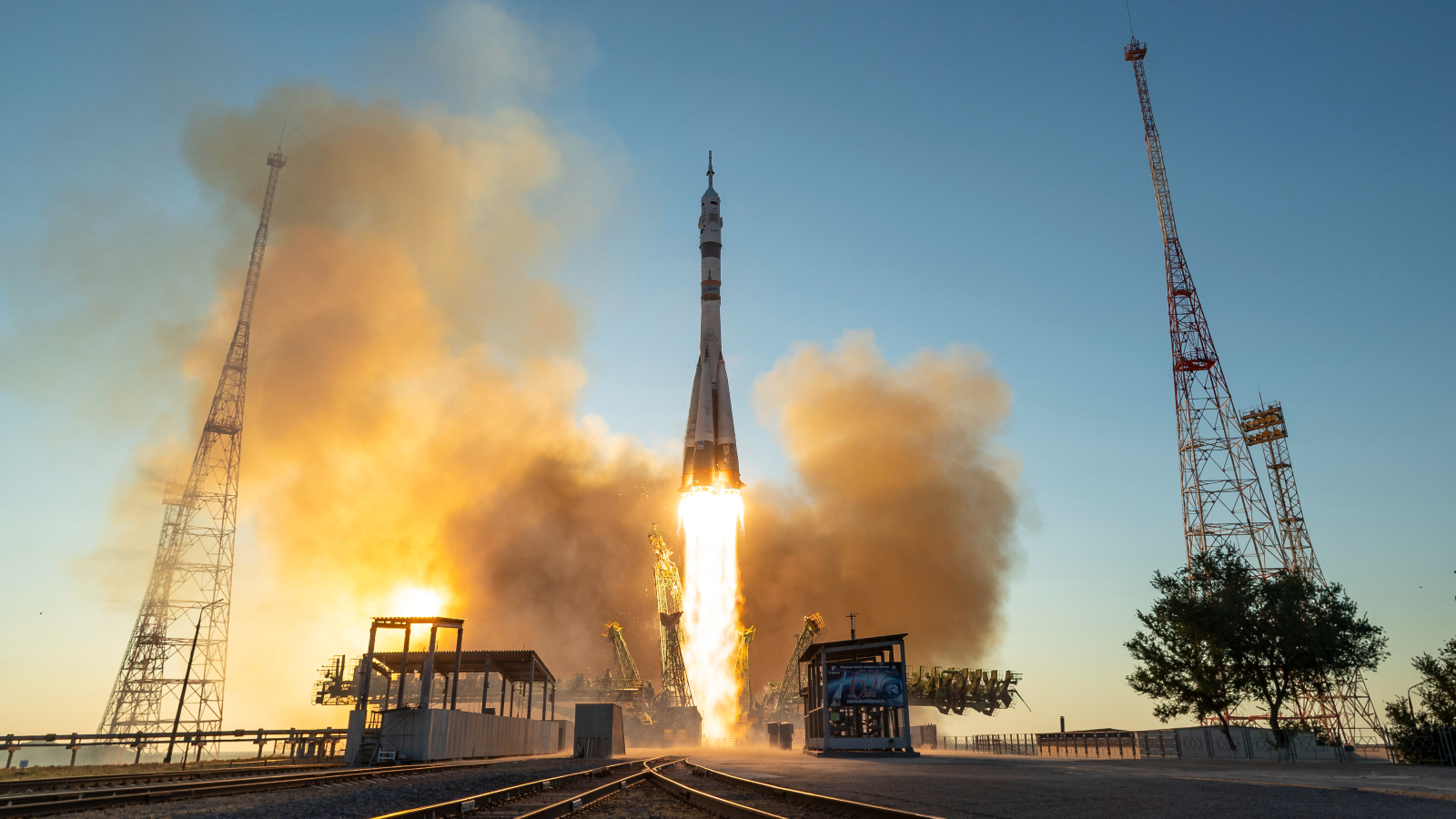
Sources
This is an original synthesis by Qivorane based on reporting from the outlets below.