
Roman Cave Sanctuary Yields Clues
Cave in Spain reveals Roman women's ritual lives, mysterious goddess
Introduction To The Cave Sanctuary
A cave in eastern Spain, known as Cova de les Dones, has been found to contain the highest number of Latin inscriptions anywhere in the Roman Empire. Researchers have documented over 120 inscriptions, with five of them mentioning a mysterious goddess referred to as "the Lady." This discovery has shed new light on the ritual lives of Roman women and has provided significant insights into the cult that worshipped this enigmatic deity.
Background And Discovery
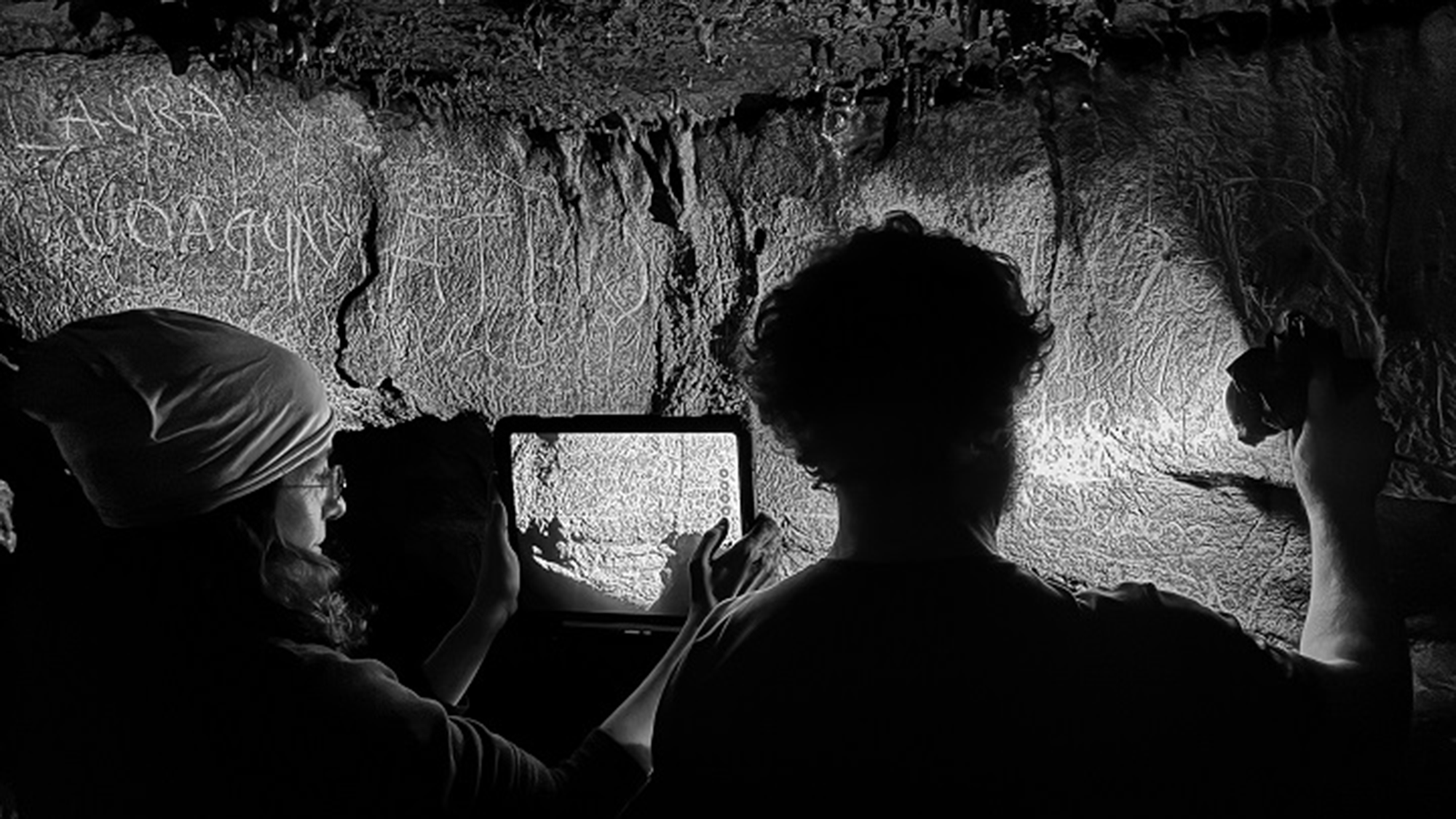
The inscriptions were found on the walls and ceilings of a deep cave chamber, which the researchers have dubbed the "Roman Sanctuary." The majority of the inscriptions date back to the first and second centuries A.D. and were discovered during a 2026 excavation. The discovery has significantly expanded the number of known writings from the site, which initially stood at 15 in 2024. 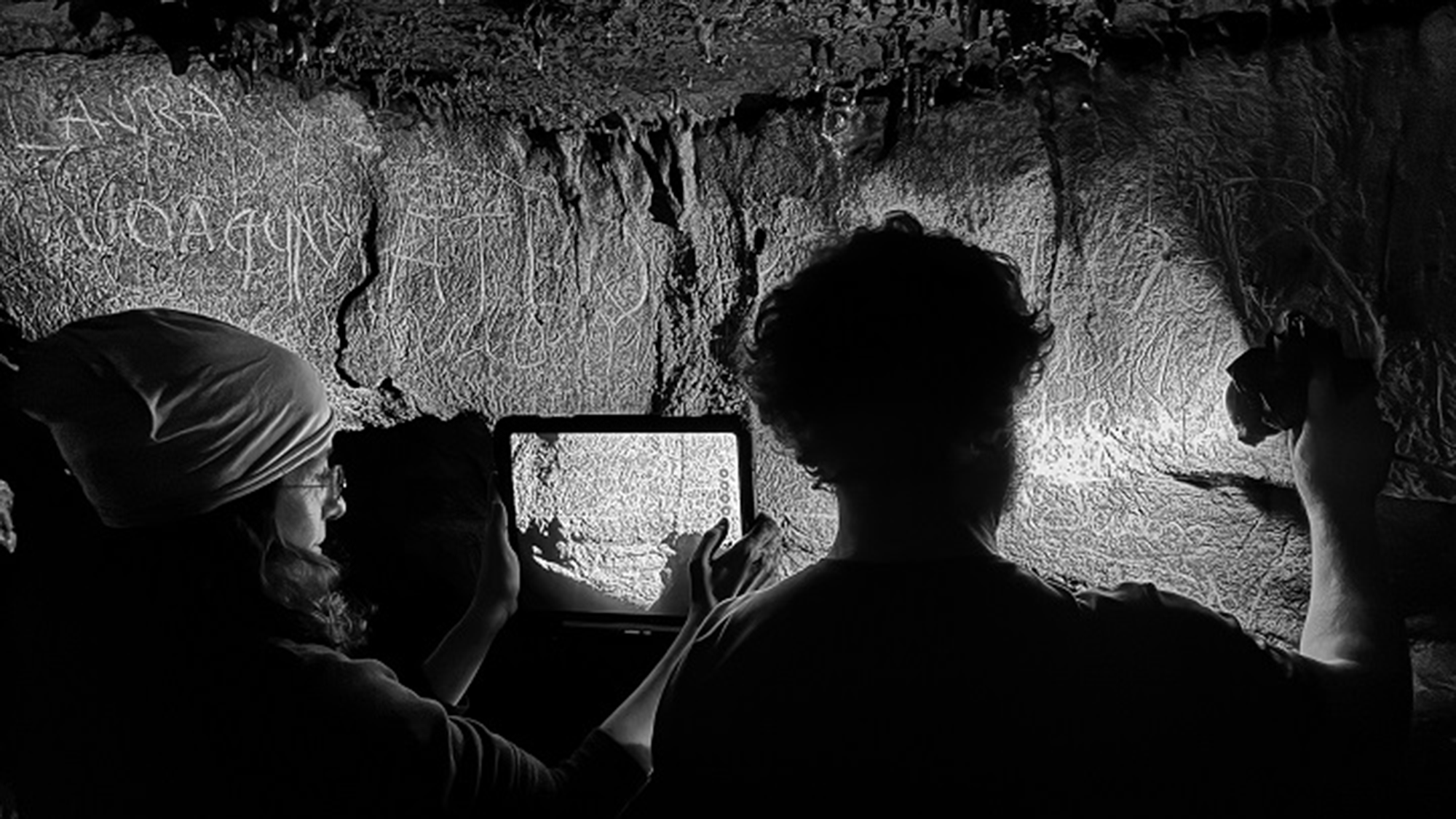
The Mysterious Goddess
The researchers believe that the cave hosted a dedicated cult centered on the mysterious goddess, whom worshippers called Domina, meaning "the Lady." Two inscriptions in the cave read "Domina" or "the Lady," and three of the inscriptions that mention Domina also include the name "Malaci," which may be an epithet for the goddess. The Roman Sanctuary chamber features small natural pools, called gours, which collect groundwater, and visitors appear to have deposited offerings in these pools. However, it remains a mystery whether these offerings were intended for "the Lady" or for other deities.
Evidence Of A Goddess-Worshipping Cult
The researchers have found various artifacts in the cave that point to women playing an active role in the cult's rituals. These include chalice-shaped vessels, two rings, a bracelet, ceramic fragments, plant remains, and other archaeological materials. Several inscriptions contain female names, and archaeologists have found numerous spindle whorls associated with textile-making, which were often connected with ancient women. The combination of the inscriptions and artifacts suggests that women may have participated directly in ceremonies or offerings at the cave. 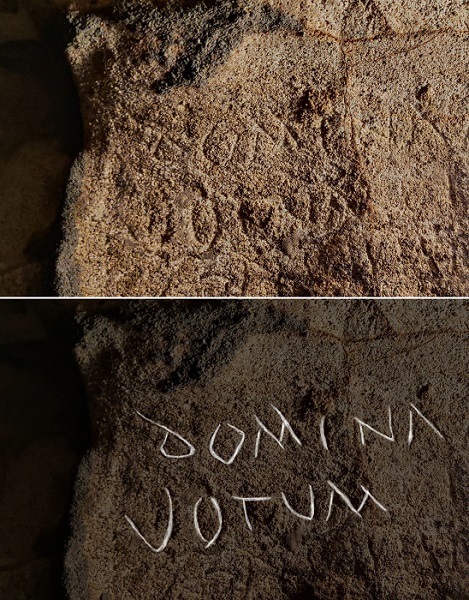
Real-World Implications And Future Outlook
The discovery of the inscriptions and artifacts in the Cova de les Dones cave has significant implications for our understanding of the ritual lives of Roman women. The fact that the texts are concentrated in a specific area of the cave, away from the entrance, confirms that it is an organized cult. The researchers are currently working on deciphering the remaining inscriptions, which may reveal additional information about the mysterious goddess and her worshippers. The cave has a much older archaeological history, with over 100 Paleolithic paintings and engravings, some dating back more than 24,000 years. Each new discovery suggests that Cova Dones has been a landmark for human groups that inhabited this territory for millennia.
Sources
This is an original synthesis by Qivorane based on reporting from the outlets below.